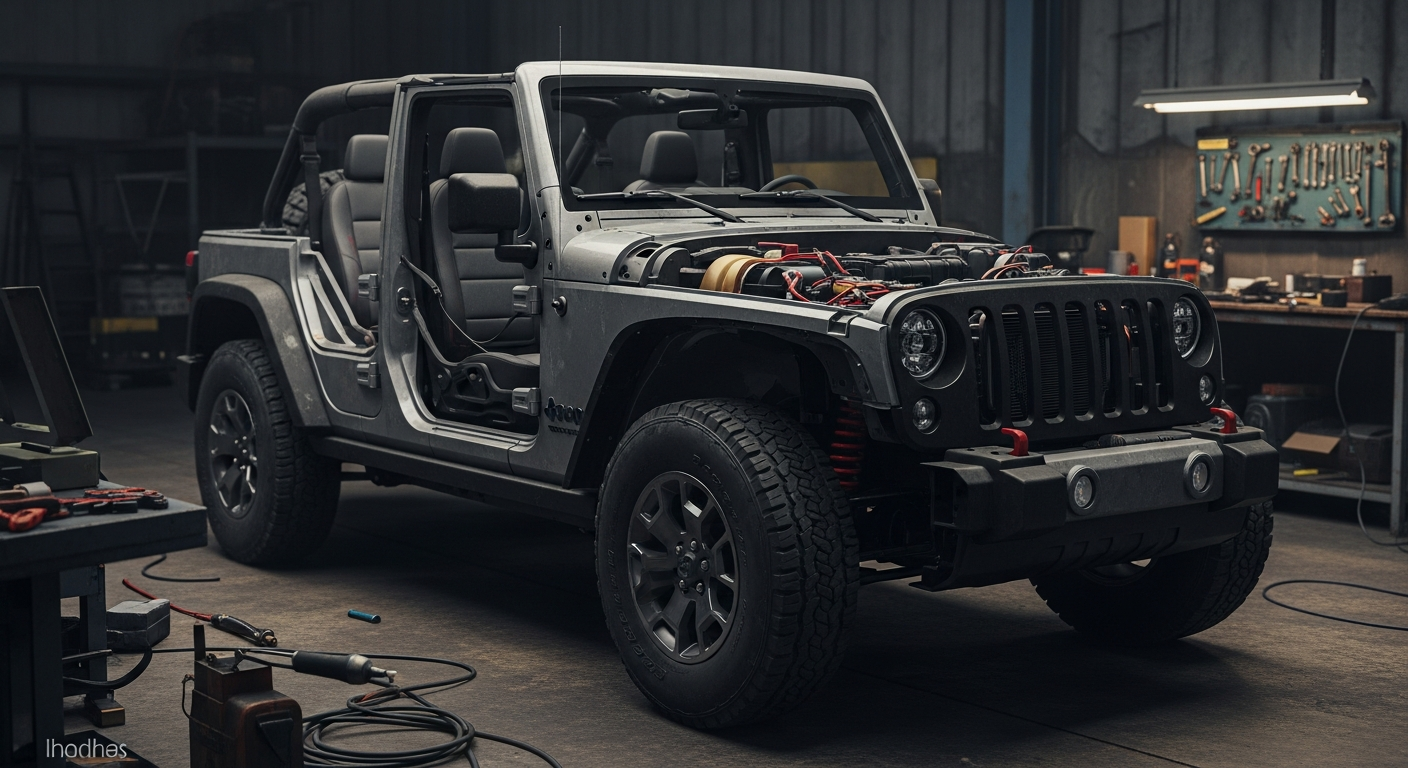
The automotive world has always celebrated ingenuity, from garage tinkerers to multinational R&D labs. The latest spectacle, an 'electric' Jeep purportedly powered by modified Toyota Prius hardware, certainly piques interest. The Prius, like the Land Cruiser or Honda Civic, holds an enviable reputation for reliability – a badge of honour it earned through decades of meticulous engineering and rigorous testing. But to strip its sophisticated hybrid powertrain and repurpose it for a completely different chassis, especially one designed for off-road punishment, raises a cacophony of critical questions, particularly relevant for the discerning Indian motorist. [FEATURED]
Key Takeaways
-
Unverified Engineering Risks: Mixing and matching drivetrain components from different vehicles, without professional re-engineering, compromises structural integrity and safety.
-
Regulatory Compliance Challenges: India's strict vehicle modification laws (RTO) make such custom builds legally ambiguous and potentially illegal.
-
Compromised Long-term Reliability & Safety: The very reliability lauded in the original components is likely voided when subjected to unapproved modifications and mismatched stresses.
-
Questionable Performance: Prius hardware, while efficient, is not designed for the heavy-duty torque and thermal management demands of an off-road Jeep.
-
A Symptom, Not a Solution: These custom builds highlight the demand for affordable EVs but offer a dangerously unverified pathway to electrification, diverting focus from certified alternatives.
The Allure of 'Jugaad' Electrification
The spirit of 'jugaad' – an innovative, frugal improvisation – runs deep in the Indian psyche. On the surface, taking readily available, reliable components from a Prius and transforming a conventional Jeep into an electric version seems like the ultimate expression of this spirit. It promises a cheaper entry into the electric vehicle space, a narrative that undoubtedly appeals to many. However, automotive engineering, particularly concerning safety-critical systems like the powertrain, brakes, and chassis, is an exact science, not a DIY project. The inherent design philosophy, weight distribution, thermal management, and power delivery characteristics of a Prius are fundamentally different from those of a Jeep. Attempting to force-fit one into the other is not innovation; it's a profound disregard for established engineering principles that ensure driver and passenger safety.
Sacrificing Safety for Innovation?
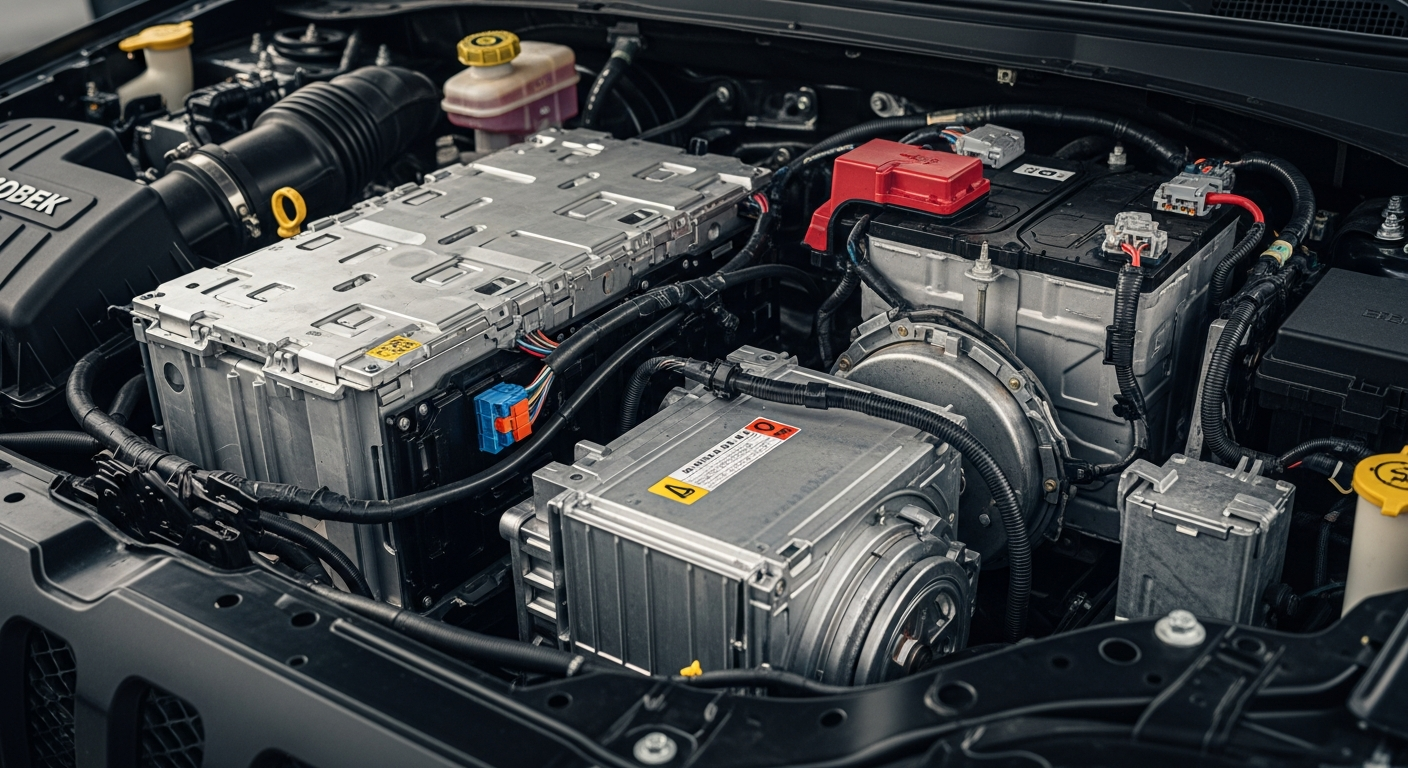
Reliability isn't just about components not breaking down; it's about predictable performance under specified conditions, backed by exhaustive testing. A factory-built Prius undergoes millions of kilometres of validation. A Jeep's chassis is designed to handle specific torque figures, suspension stresses, and weight distribution. When a modified Prius motor, battery, and inverter are shoehorned into a Jeep, every single one of these parameters is thrown into disarray. The structural integrity of the vehicle, its ability to withstand impacts, its braking performance, and even its basic handling characteristics become dangerously unpredictable. What happens if the cooling system for the repurposed electric motor isn't adequate for sustained speeds or off-road excursions in India's sweltering climate? What about the battery pack, typically integrated deep within a vehicle's protective frame, now potentially exposed or insecurely mounted? The risks of thermal runaway, electrical fires, or catastrophic mechanical failure skyrocket.
Indian Roads, Indian Rules: A Regulatory Labyrinth
In India, vehicle modifications, especially those that alter the fundamental structure or powertrain, are strictly scrutinised by the Regional Transport Office (RTO). The Supreme Court's directives have been clear: modifications that change the original specifications registered in the certificate of registration are generally illegal. A powertrain swap from ICE to electric, or even a hybrid's electric portion, without proper certification, testing, and RTO approval, is a non-starter. This means such vehicles are not only uninsurable in many cases but also illegal to ply on public roads. For the average Indian family, investing in a vehicle that constantly operates in a legal grey area, and whose safety is entirely unverified, is simply not a viable or responsible choice. The long-term costs of fines, impoundment, or worse, an accident where insurance is denied, far outweigh any initial perceived savings.
Performance Beyond the Pavement
A Jeep's legacy is built on its robust off-road capability. This demands immense torque at low speeds, sustained power delivery, and a drivetrain that can withstand extreme shock and vibrations. The Prius's electric motor, while efficient, is primarily designed for urban commuting and assisting a petrol engine, not for scaling rocky terrain or slogging through mud. Will the repurposed electric powertrain deliver the necessary grunt for serious off-roading? More likely, it will be underpowered, overheat, and quickly degrade, turning a capable off-roader into an unreliable novelty. The promise of an 'electric Jeep' might sound appealing, but the reality of its performance with modified Prius hardware is likely to be a significant compromise, unsuitable for the very purpose a Jeep is bought for.
The True Cost of 'Custom'
The initial allure of a cheaper custom build often blinds consumers to the hidden costs. Lack of warranty, unavailability of standardised spare parts for modified systems, and the absence of qualified technicians for maintenance mean that owners are largely on their own. Any repair could involve significant downtime and custom fabrication, costing far more than servicing a factory-built EV or even a conventional vehicle. Resale value, if any, would be negligible due to the legal and safety uncertainties.
Public Sentiment
Discussions online and offline reveal a mixed bag of curiosity and palpable concern. "It's a cool idea for a project, but I wouldn't trust my family in it on the highway," remarked one Mumbai resident. Another from Bengaluru questioned, "Where's the crash test rating? What if the battery catches fire?" While some appreciate the 'innovative spirit,' the overwhelming sentiment among potential buyers leans towards caution. "Until it's approved by the RTO and comes with a proper warranty, it's just a glorified toy, not a real vehicle for India's roads," stated a Delhi-based automotive enthusiast.
Conclusion
The 'electric' Jeep with a Prius heart serves as a potent reminder that not all innovations are created equal, especially when safety and regulatory compliance are at stake. While the pursuit of electrification is vital, it must proceed through certified, tested, and safe pathways. For the Indian consumer, whose priority remains reliability, safety, and legal compliance, these custom Frankenstein vehicles represent a precarious gamble rather than a progressive step. As we navigate the exciting, yet complex, journey of automotive electrification, vigilance against unverified modifications is not just advisable; it's absolutely critical.