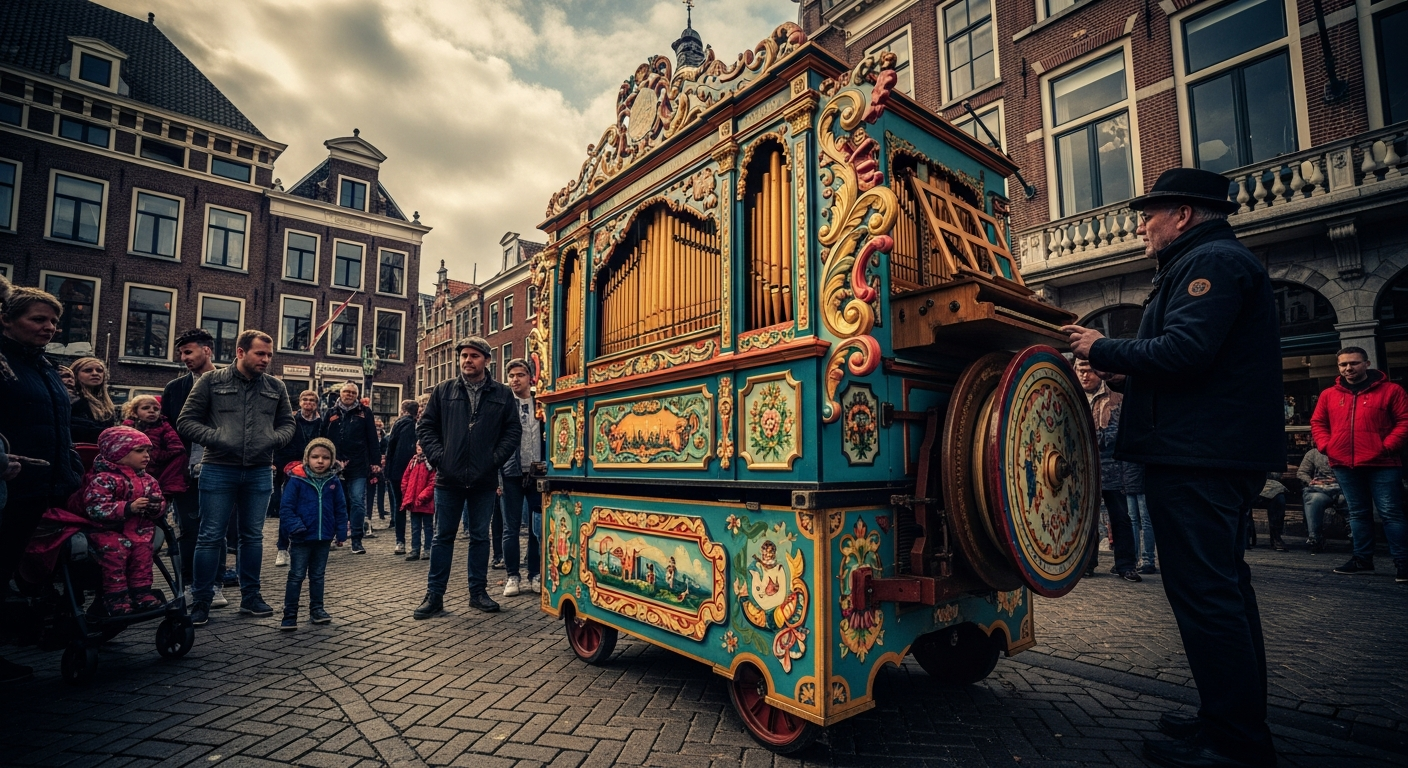
Inside a Dutch Street Organ: The Art of Mechanical Music-Making
For generations, the distinctive sounds of mechanical street organs have echoed through European city squares, a testament to a blend of sophisticated engineering and timeless musicality. These self-playing orchestras, which once served as a primary form of public entertainment, continue to operate today, not merely as historical curiosities but as active performers whose existence speaks volumes about maintenance, innovation, and cultural preservation.
Key Takeaways:
-
Mechanical Ingenuity: Street organs are complex systems of pipes, bellows, and programming mechanisms that create intricate musical arrangements automatically.
-
Longevity Through Rebuilding: Many organs boast centuries of operational life thanks to continuous restoration, rebuilding, and dedicated care.
-
Cultural Preservation: These instruments are vital links to a past era of public entertainment and craftsmanship, embodying significant cultural heritage.
-
Modern Relevance: Despite their age, street organs continue to draw audiences, highlighting a sustained appreciation for tangible, mechanical artistry in a digital age.
-
Dedicated Craftsmanship: Their survival is largely attributed to a specialized community of restorers, technicians, and enthusiasts who dedicate their expertise to their upkeep.
The Engineering Marvel: A Symphony of Gears and Air
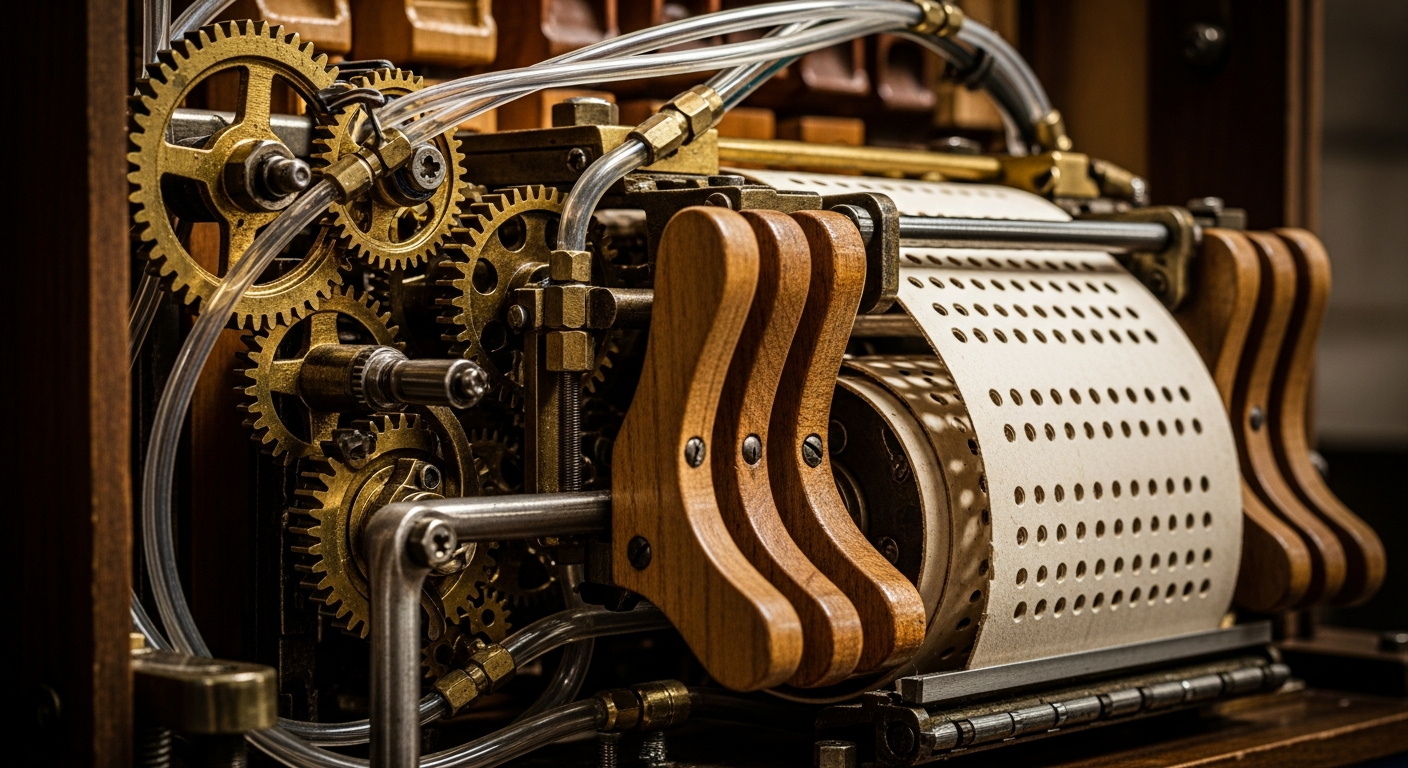
At its core, a mechanical street organ is a marvel of pre-digital automation. Unlike hand-cranked barrel organs, which are often smaller and more rudimentary, the grander Dutch street organs are effectively mobile orchestras. They feature an array of pipes mimicking different orchestral instruments—flutes, trumpets, violins—alongside percussion elements like drums, cymbals, and woodblocks. The 'music' is not played by a human musician in real-time but is encoded, traditionally on large wooden 'books' or perforated paper rolls, which dictate when and which pipes should sound and which percussion elements should strike.
This encoding system, often resembling early forms of computer programming, operates a series of intricate pneumatic mechanisms. A bellows system, powered by a large flywheel and often a small motor in modern iterations, generates the air pressure required to activate the pipes. The 'books' or rolls pass over a reader mechanism, opening and closing valves that direct air to specific pipes and trigger percussion. This synchronization of air, mechanics, and encoded data allows for complex polyphonic pieces to be performed with remarkable precision and volume, filling large public spaces with rich sound.
Preservation and Evolution: A Continuous Rebuild
The survival of instruments like James’ Mechanical Organ, of Dutch origin, exemplifies a unique form of technological longevity. "It has been around longer than he has," the source context notes, underscoring its historical depth. Such organs are not static artifacts but dynamic entities that undergo continuous cycles of restoration, repair, and even modernization. Components wear out—leather bellows dry and crack, wooden parts warp, and metal mechanisms corrode. The act of 'rebuilding over the years' is not a detriment to its authenticity but rather a testament to its living history.
This process involves specialized craftsmanship, often passed down through generations. Restorers must understand not only the mechanics but also the acoustic principles to ensure the organ retains its unique voice. Sometimes, minor adaptations are made—a more efficient motor, updated materials that are durable yet true to the original feel. This careful stewardship ensures that while the physical components might evolve, the spirit and sound of the instrument remain consistent, allowing it to 'deliver its unique performances' for future audiences.

Cultural Resonance: A Link to Public Life
Beyond their mechanical intricacy, street organs hold significant cultural weight. Historically, they were central to public entertainment, providing music for festivals, markets, and social gatherings long before recorded music became ubiquitous. Their presence fostered a sense of community and shared experience. Today, they evoke nostalgia for a simpler time while simultaneously showcasing the enduring human desire for complex, tangible artistry. They are a powerful reminder of how technology, in its earliest forms, could bring joy and create shared cultural moments.
Public Sentiment
Feedback from enthusiasts and casual observers often highlights a shared appreciation for these instruments. "It's mesmerizing to watch the mechanism work while listening to such a rich sound," commented one attendee at a recent organ festival. Another noted, "In an age of digital perfection, there's something incredibly human and charming about the slight imperfections and sheer mechanical effort of a street organ. It feels alive." There is a palpable sense of wonder and respect for the craftsmanship and the dedication required to keep these historical soundscapes vibrant.
Conclusion
The mechanical street organ, particularly those like James's, stands as a profound symbol of industrial artistry, cultural preservation, and the sustained human connection to tangible mechanics. Their continued operation is not merely a feat of engineering but a commitment to an intricate past, lovingly cared for and actively brought into the present. As 'Rusty Tablet' consistently observes, the intersection of history, technology, and dedicated human effort often yields the most compelling and enduring narratives, and the saga of the street organ is precisely one such tale.