
The travel industry is awash with pronouncements of a technological revolution, heralding 2026 as the year AI-powered apps and smart devices fundamentally reshape how we globetrot. From automated check-ins at Heathrow to robot-assisted baggage handling at Changi, the narrative is one of unparalleled convenience and enhanced experiences. Governments and major tourism players globally, including the US, UK, Singapore, and Japan, are enthusiastically endorsing this digital shift, framing it as an undeniable march towards a smoother, safer, and more enjoyable travel landscape. But is this widespread embrace of technology genuinely improving the journey for all, or are we witnessing a sophisticated mirage, obscuring significant trade-offs beneath its glossy surface?
Key Takeaways:
-
The rapid adoption of AI and smart devices in travel often prioritizes corporate efficiency over genuine traveler experience.
-
Concerns regarding data privacy, security vulnerabilities, and algorithmic bias are frequently downplayed amidst the hype.
-
The push for digital-first travel risks alienating segments of the population lacking technological access or literacy.
-
'Sustainable' tech solutions may offer superficial fixes, failing to address the fundamental environmental impact of tourism.
-
A critical assessment reveals a potential for increased dependence on fragile digital ecosystems and a loss of human touch in travel.
The AI Illusion: Efficiency vs. Over-Reliance
Artificial Intelligence is lauded as the bedrock of modern travel, promising personalized recommendations, predictive trend analysis, and automated customer service. While the concept of AI streamlining flight bookings or hotel accommodations sounds appealing, the reality can be far more nuanced. Relying solely on algorithms to predict travel trends or personalize recommendations risks creating echo chambers, limiting spontaneous discovery, and potentially steering travelers towards partners that pay more, rather than those truly best suited for their needs. Furthermore, automated customer service, while efficient for businesses, can be a source of immense frustration for travelers when complex issues arise, often replacing empathetic human interaction with rigid, script-driven bots.
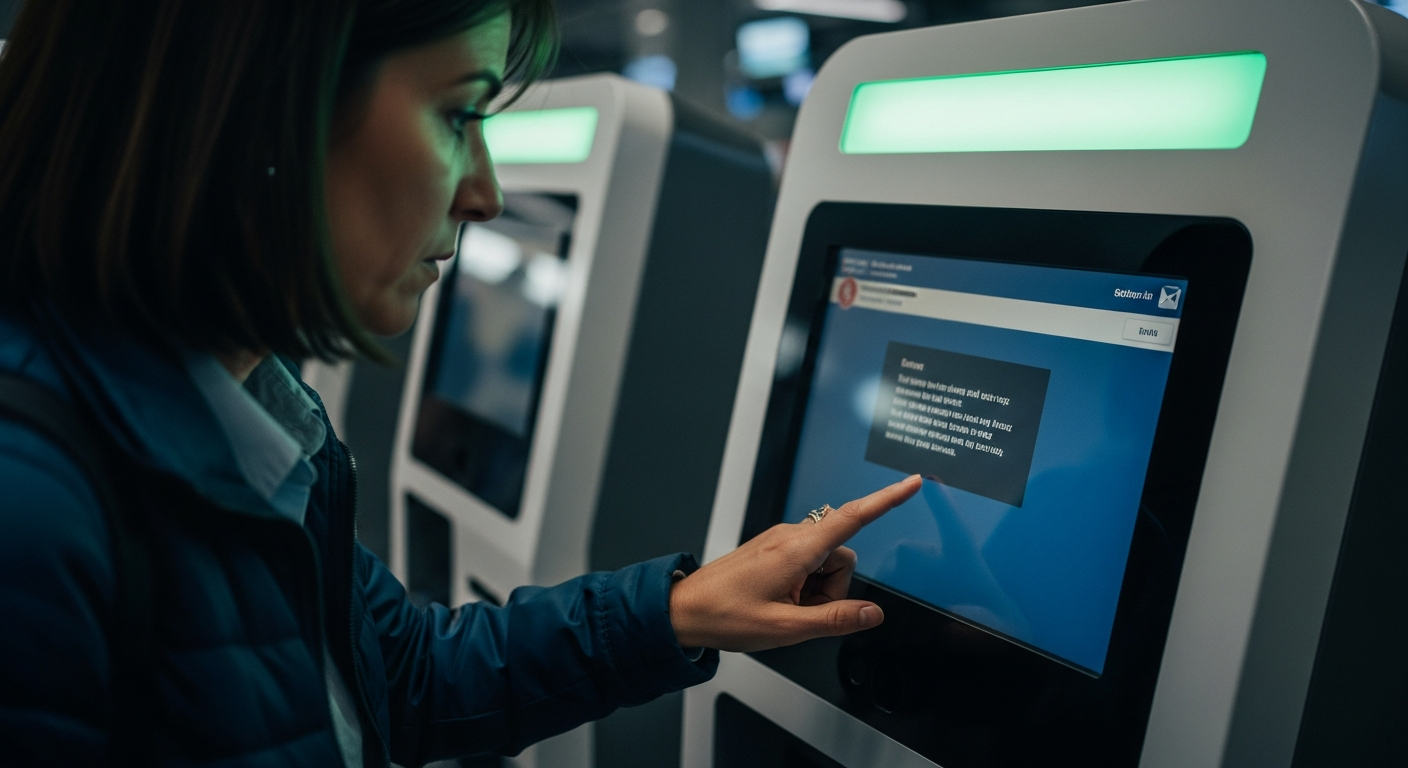
In airports, AI integration, such as facial recognition at London Heathrow, is celebrated for reducing queues. Yet, such advancements introduce significant privacy concerns, normalizing widespread biometric data collection without robust public debate on its long-term implications for individual liberty and surveillance. Singapore Changi's robot-assisted baggage handling, while a marvel of engineering, quietly underscores a shift towards automation that, over time, can lead to job displacement within the human workforce, altering the very fabric of airport operations.
Smart Devices, Smarter Problems?
The allure of smart devices—from GPS-tracked luggage to voice-activated hotel rooms—paints a picture of effortless travel. However, these conveniences often come tethered with potential pitfalls. Smart luggage, while offering peace of mind through tracking, adds another layer of technological dependence; what happens when its battery dies or its digital lock malfunctions? The promise of smart hotel rooms in the United States, offering personalized control over lighting, temperature, and entertainment via voice commands, raises pertinent questions about data collection. Every preference learned, every command given, becomes a data point. Who owns this data? How is it secured? And for guests who prefer simplicity or are wary of ubiquitous sensors, these 'enhancements' can feel intrusive rather than liberating. The increasing cost of integrating such technology into hotel infrastructure also inevitably translates to higher prices for the consumer, broadening the divide between luxury tech-enabled travel and more accessible options.
The App Trap: Convenience at What Cost?
Mobile applications have undeniably become ubiquitous, from booking flights and accommodation to navigating new cities and managing mobile payments. The Singapore Tourism Board’s integrated ecosystem, or the widespread adoption of mobile wallet apps, simplifies many aspects of travel. But this convenience is not without its costs. Centralizing boarding passes, hotel reservations, and even digital currencies on a single device introduces a significant single point of failure; a lost or drained phone can instantly incapacitate a traveler. Moreover, the vast amounts of personal data aggregated by these apps – location, spending habits, health passes – represent a treasure trove for data brokers and a prime target for cyberattacks. The emphasis on contactless payments and digital health passes, while framed as safer post-pandemic, simultaneously creates a reliance on digital infrastructure that can exclude those without smartphone access or digital literacy, a sizable portion of the global population, particularly older demographics.

Government Initiatives: Rhetoric vs. Reality
Government-backed initiatives, such as India's Ministry of Tourism digitizing services or the UK's DCMS collaborating with tech firms, are presented as catalysts for progress. Yet, a critical perspective demands scrutiny of the true beneficiaries. Are these initiatives primarily serving the public, or are they enabling closer collaboration between governments and large tech corporations, potentially leading to increased surveillance capabilities and the commercial exploitation of public data? The push for virtual tours and augmented reality experiences, while innovative, risks reducing travel to a mediated, screen-based encounter, fundamentally altering the raw, immersive experience of physical exploration. While offering a tantalizing preview, it may inadvertently diminish the intrinsic value of 'being there' by pre-packaging discovery.
Sustainability: Greenwashing or Genuine Change?
Technology's role in promoting sustainable travel is another area ripe for critical examination. Platforms offering 'eco-conscious hotels' or 'green transport options' are commendable in principle. However, are these truly driving systemic change, or are they often forms of 'greenwashing' – a marketing tactic to project environmental responsibility without making substantial ecological shifts? The European Travel Commission's use of data-driven platforms to measure environmental impact is a positive step, but without robust regulation and a fundamental re-evaluation of high-volume tourism's footprint, such efforts risk becoming symbolic rather than transformative. The core issue of over-tourism and carbon emissions from air travel remains largely unaddressed by app-based 'green' suggestions, highlighting a potential disconnect between technological solutions and genuine environmental stewardship.
Public Sentiment
Amidst the chorus of technological praise, a growing undercurrent of public sentiment expresses unease. "I feel less like a traveler and more like a data point," one frustrated tourist lamented online. Another echoed, "The more automated things get, the less human the experience feels. Sometimes you just want to talk to a person, not a bot." Concerns about the constant pressure to be digitally connected, the fear of identity theft from integrated apps, and the feeling of being left behind for those less tech-savvy are becoming increasingly vocal, suggesting a gap between the industry's vision and the traveler's evolving needs.
Conclusion
The digital transformation of travel, powered by AI, apps, and smart devices, is undoubtedly a powerful force. However, to accept its narrative uncritically is to overlook the profound implications for privacy, accessibility, and the very essence of human exploration. As governments and corporations continue to invest heavily in this 'future,' it is incumbent upon travelers to approach these innovations with a discerning eye. The convenience promised must be weighed against the potential for surveillance, data exploitation, and the erosion of spontaneous, human-centric experiences. The true revolution in travel will not be merely technological, but one that thoughtfully integrates digital tools while steadfastly preserving the richness, independence, and personal connection that make journeys genuinely transformative. Otherwise, the future of travel risks becoming a digitally-perfected, yet ultimately hollow, experience.