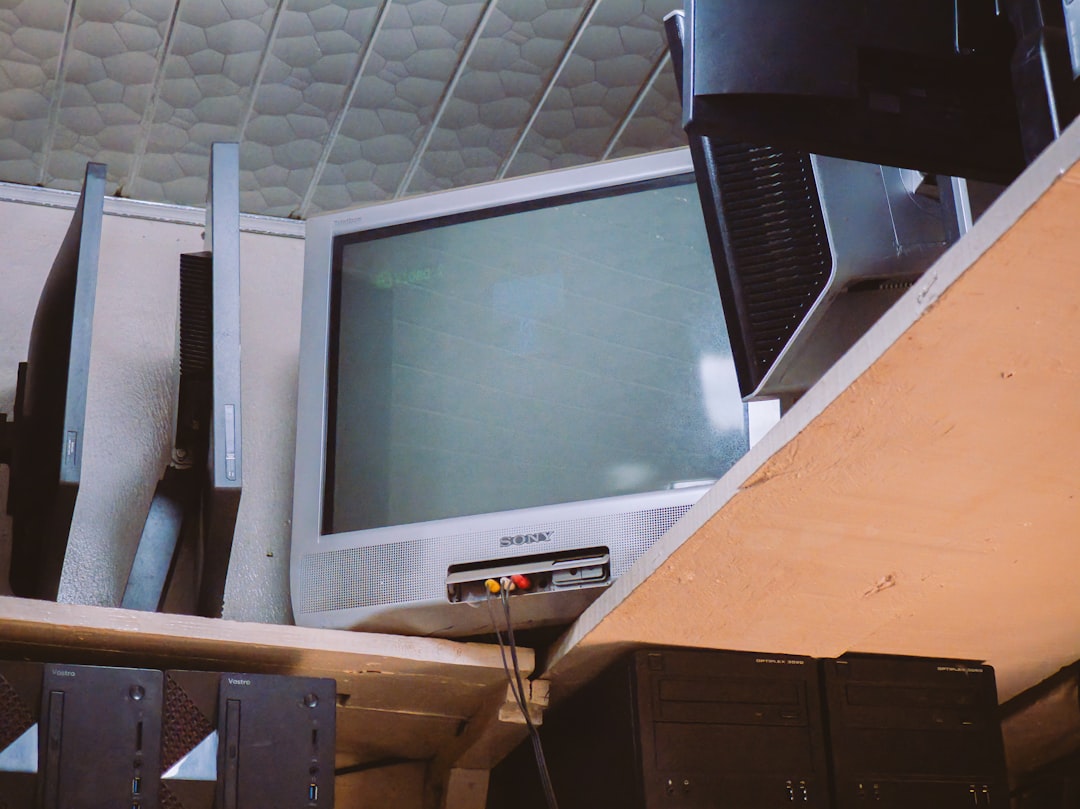
The recent virtual opening of the Computer History Museum marks a critical evolution in how cultural institutions engage with the public. Moving beyond geographical limitations, this digital expansion democratizes access to the foundational technologies that shaped our modern world, from early mainframes to personal computing pioneers, offering unprecedented opportunities for education, research, and historical appreciation on a global scale.
Key Takeaways:
-
Global Accessibility: The museum's virtual platform removes geographical barriers, allowing anyone with an internet connection to explore its vast collection.
-
Preservation and Digitization: Iconic artifacts like the PDP-1 and Altair 8800 are now digitally preserved and presented, ensuring their legacy for future generations.
-
Enhanced Educational Resources: The virtual format offers dynamic learning opportunities for students and researchers, complementing traditional curricula.
-
Pioneering a New Model: The Computer History Museum sets a precedent for how cultural institutions can leverage digital transformation to expand their reach and relevance.
-
Understanding Technological Evolution: The initiative reinforces the critical importance of understanding the historical development of computing in an increasingly digital world.
The Digital Gateway: Breaking Geographical Barriers
For decades, the Computer History Museum (CHM) in Mountain View, California, has served as a revered pilgrimage site for technologists, historians, and enthusiasts. Its physical location, nestled in the heart of Silicon Valley, provided an immersive experience for those able to travel. However, this also inherently limited its reach, leaving countless potential visitors worldwide unable to engage directly with its unparalleled collection.
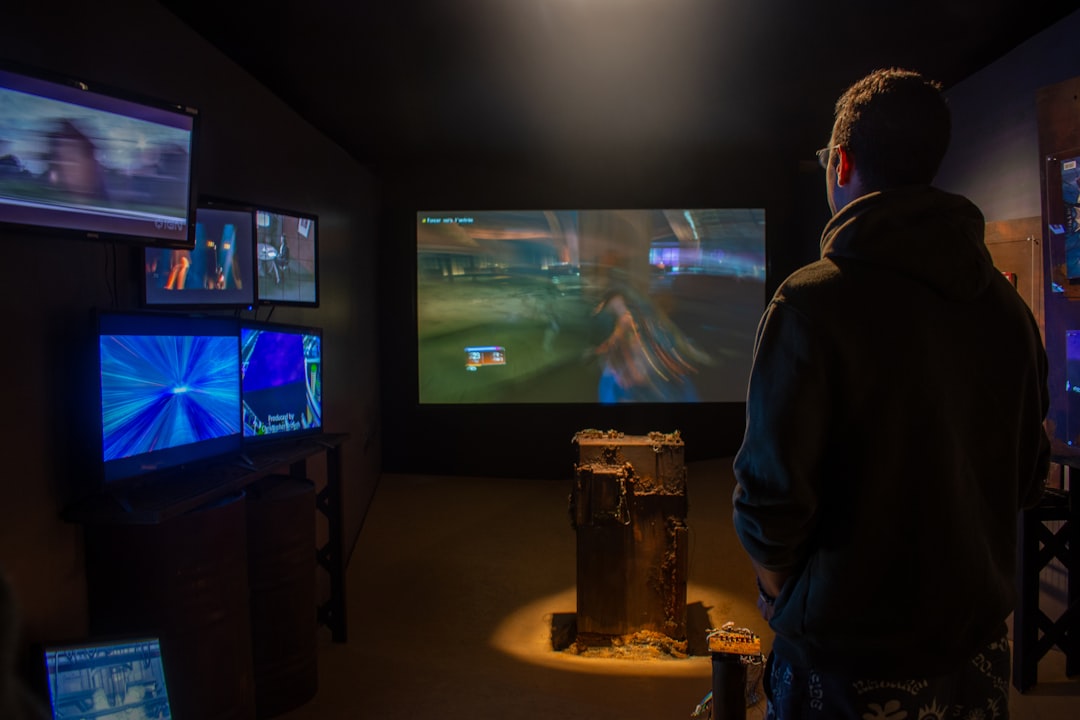
The strategic pivot to a comprehensive virtual platform directly addresses this limitation. By digitizing a substantial portion of its exhibits and creating interactive online experiences, the CHM has effectively dissolved the physical boundaries of its campus. This move is not merely about replicating physical displays online but about transforming access. Students in distant classrooms, researchers in disparate academic institutions, and curious minds across continents can now virtually walk through the annals of computing history, experiencing the evolution of technology from their own devices. This democratizes historical knowledge, fostering a global community of learners and enthusiasts.
A Pantheon of Pioneers: Digitizing the Collection
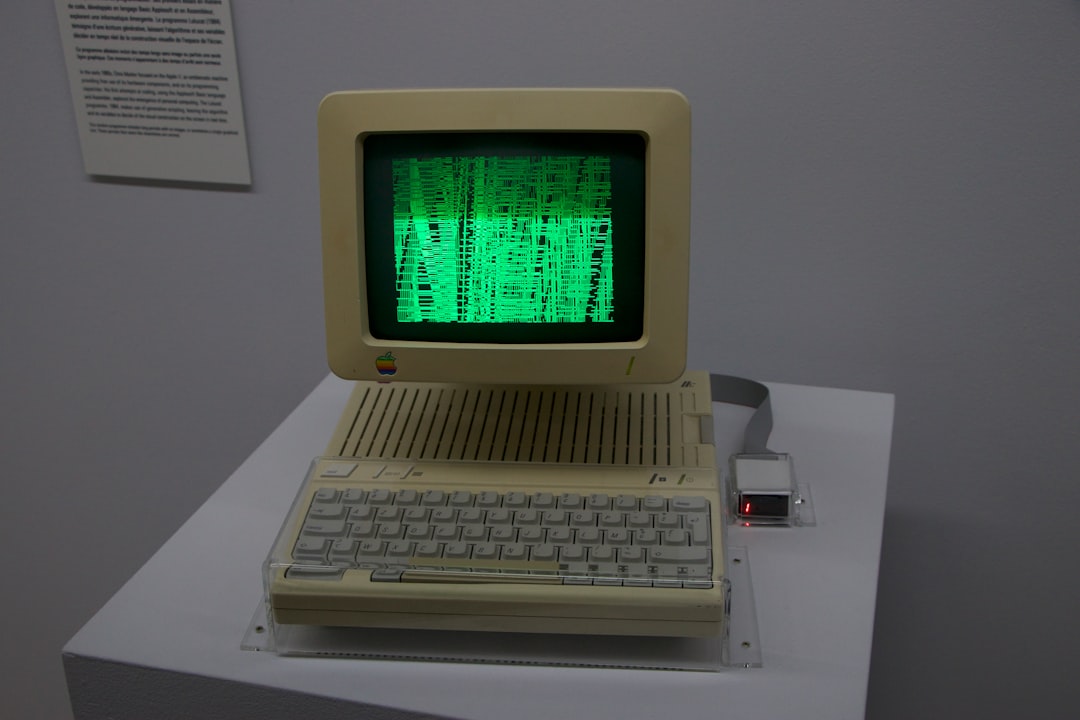
Central to the CHM's appeal is its meticulously curated collection, a veritable pantheon of artifacts that chronicle the birth and evolution of the digital age. From the massive, room-filling mainframes of the mid-20th century to the humble, yet revolutionary, personal computers that brought technology into every home, each item tells a crucial part of the story. The museum proudly houses relics like the DEC PDP-1, a pivotal minicomputer that fostered early interactive computing, and the Altair 8800, which ignited the personal computer revolution.
The immense undertaking of digitizing such a diverse and often delicate collection cannot be overstated. It involves not just high-resolution imaging but also creating detailed 3D models, capturing contextual documentation, and developing narratives that translate the physical presence and operational significance of these machines into an engaging digital format. This process ensures that the intricate details of circuitry, the tactile feel of early keyboards (metaphorically speaking), and the groundbreaking design philosophies of yesteryear are preserved and made intelligible for a contemporary, digitally native audience. The virtual exhibits offer a deep dive into these artifacts, often providing historical context, technical specifications, and even simulated operational experiences that would be impossible in a static physical display.
Educational Outreach and Research Amplification
The implications for education and research are profound. University courses on computer science history, design, or engineering can now integrate direct virtual visits to the CHM's exhibits as part of their curriculum, offering a dynamic and engaging alternative to textbooks. High school students can explore interactive timelines and see the tangible progression of technology, making abstract concepts more concrete.
For researchers, the virtual museum provides an invaluable resource, allowing them to examine artifacts, access historical documents, and cross-reference information without the logistical constraints of travel and physical access permissions. This expanded access is expected to foster new avenues of historical inquiry and interdisciplinary collaboration, pushing the boundaries of our understanding of technological development and its societal impact. The CHM's virtual presence can also serve as a hub for workshops, lectures, and online conferences, further amplifying its role as a global educational institution.
The Evolving Landscape of Cultural Institutions
The Computer History Museum's virtual expansion is indicative of a broader, accelerating trend within cultural institutions worldwide. The challenges posed by global events and the increasing reliance on digital platforms have compelled museums, galleries, and archives to reconsider their engagement strategies. The CHM's initiative positions it as a leader in this transformation, demonstrating a viable and effective model for extending reach and relevance in the 21st century.
This paradigm shift necessitates a balance: maintaining the irreplaceable value of physical collections while simultaneously harnessing digital technologies to create inclusive, accessible, and dynamic experiences. The success of the CHM's virtual venture will likely inspire other institutions to invest further in digital preservation, interactive online exhibits, and robust virtual programming, fundamentally reshaping the future of cultural heritage accessibility.
Public Sentiment
Online forums and social media platforms have largely welcomed the Computer History Museum's virtual expansion. Users express enthusiasm for the newfound accessibility, with many highlighting the convenience for those unable to travel to California. "As someone passionate about vintage tech but living halfway across the world, this is a game-changer for me," commented one user on X. Others appreciate the educational potential, stating, "My kids can now explore computing history directly from our living room – it's an incredible learning tool." This positive reception underscores the public's readiness for more digitally integrated cultural experiences.
Conclusion
The Computer History Museum's venture into the virtual realm is more than just a technological upgrade; it is a profound reimagining of its mission. By making the rich tapestry of computing history accessible to a global audience, the museum reinforces its commitment to preservation, education, and fostering a deeper understanding of the forces that have shaped our digital present and will continue to influence our future. This digital frontier promises to keep the legacy of computing alive and vibrant for generations to come, proving that history, too, can thrive in the cloud.