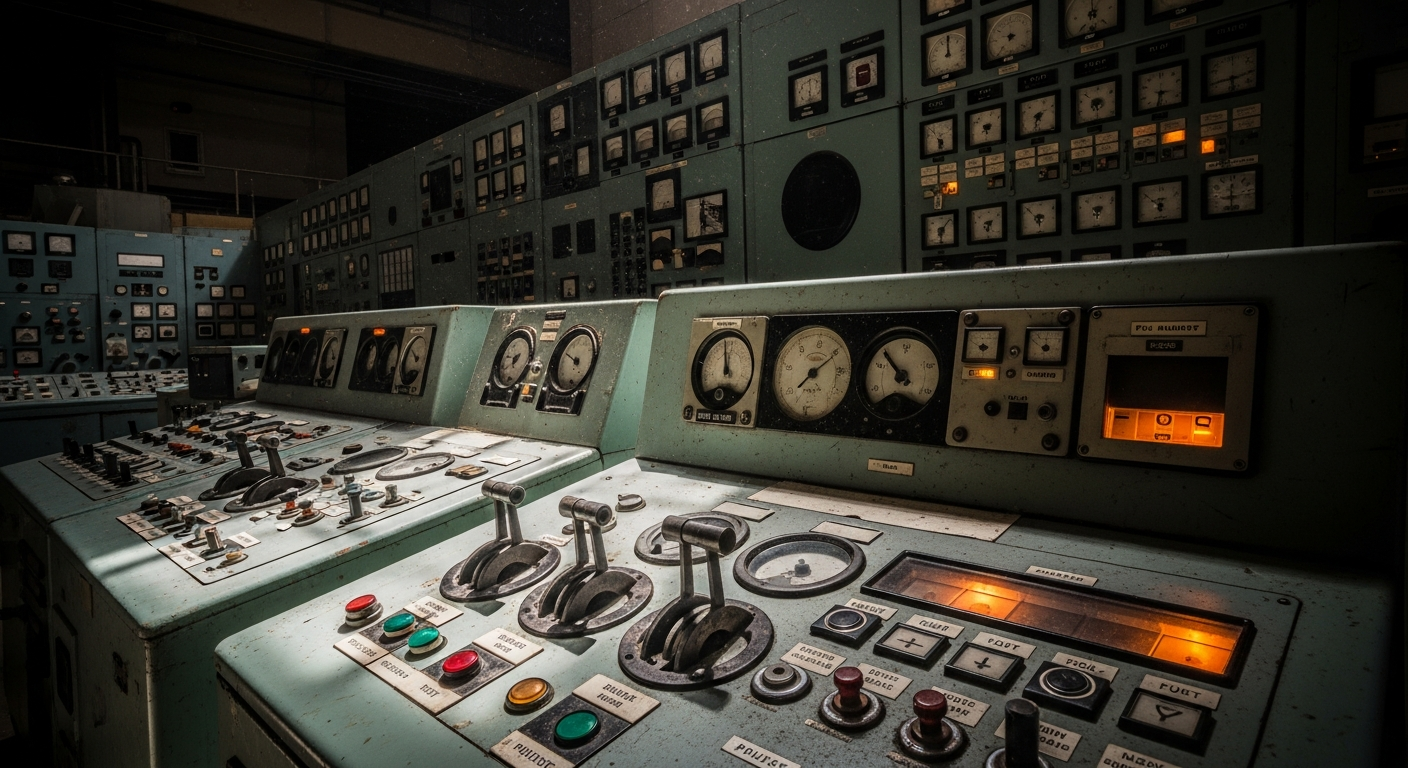
The image of a pre-digital nuclear plant's control room, particularly one as infamous as Chernobyl's, is arresting. It's a symphony of switches, an orchestra of indicators, a daunting landscape that, to an outsider, appears as chaotic as a child’s drawing. Yet, to a trained operator, each dial, each lever, each flashing light told a precise story, offering immediate, tactile feedback that transcended mere data points. This was the pinnacle of analog engineering, a world where the interface wasn't a window to a virtual realm, but a direct, physical extension of the machine itself.
The Da Vinci Code of Dials: Decoding Analog Complexity
Before the ubiquity of graphical user interfaces, engineers crafted systems where every physical control had a direct, often singular, function. The control panel wasn't just an input device; it was a diagnostic tool, a real-time status display, and an emergency override, all rolled into one sprawling edifice. Operators were not merely users; they were custodians, fluent in a visual and tactile language understood only through years of rigorous training and practical experience. They didn't just 'click' a button; they engaged a mechanism, felt its resistance, heard its response. This directness, this tangible connection to the machine, fostered a deep intuitive understanding, a sixth sense for the plant's operational pulse.

This era bred a different kind of expertise. Operators were required to not just comprehend abstract data, but to literally 'read' the machine through its physical manifestations. A dial's position, the speed of its needle, the subtle tremor of a lever – these were all pieces of a larger, constantly evolving puzzle. While seemingly overwhelming to modern eyes, this design prioritised clarity of function at a granular level, demanding meticulous attention but rewarding it with unambiguous feedback.
Beyond the Pixels: The Human Element in Critical Systems
The inherent complexity of these analog systems also highlighted the critical role of the human element. The Chernobyl disaster, in part, serves as a chilling testament to what happens when human error, procedural missteps, and a complex, unforgiving design intersect. It wasn't just the machine that failed; it was the human interface with that machine, exacerbated by a lack of clear operational guidelines and a culture that sometimes overlooked critical safety protocols. The array of controls, while functional for routine operations, became a labyrinth under stress, demanding split-second decisions from exhausted and often ill-informed personnel. The disaster underscores that even the most intuitively designed physical controls can be rendered ineffective if the human factor—training, stress, decision-making—is not adequately addressed.
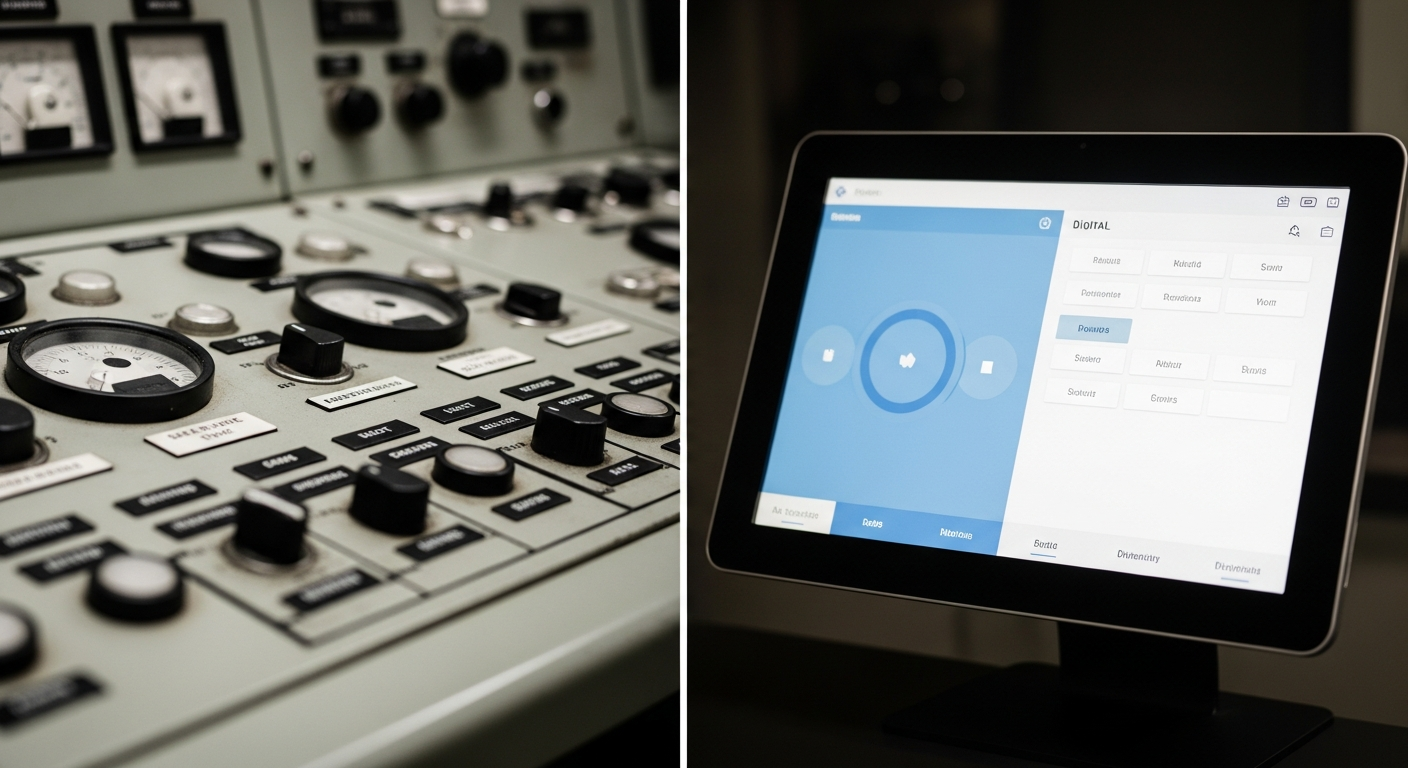
Today, we often champion digital interfaces for their simplicity and flexibility. Yet, this very simplicity can abstract away the underlying complexities, potentially leading to a superficial understanding for operators. When a system is merely represented by icons on a screen, the direct, causal link between action and consequence can become diluted. The lessons from Chernobyl are not a call to abandon digital advancements, but rather a profound invitation to integrate the best of both worlds: the precision and data-handling capabilities of digital systems with the intuitive, tactile, and unambiguous feedback mechanisms of robust physical controls.
Reclaiming Intuition in the Digital Age: Lessons for India's Industrial Future
For a rapidly industrialising nation like India, with its ambitious projects in nuclear energy, infrastructure, and advanced manufacturing, this debate is particularly pertinent. As we adopt cutting-edge digital technologies across various critical sectors, there is a temptation to fully embrace the 'glass cockpit' approach, reducing complex control rooms to a few touchscreens. However, the legacy of Chernobyl and the artistry of its analog panels compel us to pause and reflect. We must ask: are we designing systems that truly empower operators with intuitive control, or are we simply digitising complexity?
The challenge lies in striking a balance. It means designing digital interfaces that provide clear, immediate, and actionable information, perhaps even incorporating haptic feedback or augmented reality to bridge the gap between abstract data and physical reality. It means ensuring that operators are not just trained to click buttons but to understand the fundamental physics and engineering principles governing the systems they manage. The goal isn't nostalgia for rusty dials, but a forward-looking commitment to human-centric design, where critical information is never obscured by abstraction, and the interface serves as a true extension of an operator's expertise, not a barrier to it. The unseen artistry of those old control panels wasn't just about wiring; it was about understanding the human mind at the helm of immense power. A lesson we ignore at our peril.
Public Sentiment
"It’s fascinating to see how complex things were before computers. You wonder how they managed it all," marvels one observer. Another remarks, "Modern systems are so clean, but I sometimes feel a disconnect. Those old panels just scream 'control'." A more cautious view offers, "Chernobyl reminds us that technology, old or new, is only as safe as the people operating it and the design principles guiding it. We can't just slap a digital screen on everything and call it progress."