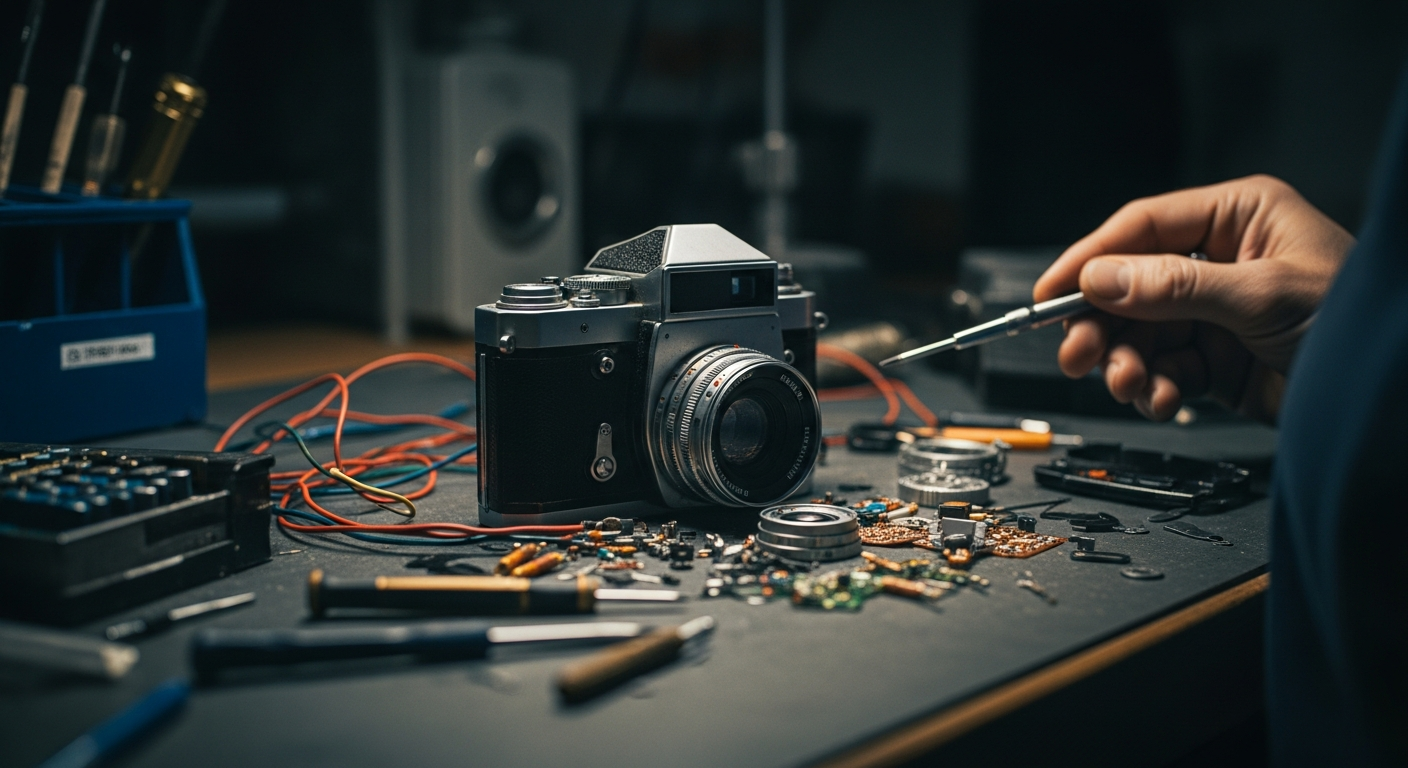
The landscape of photography has long been bifurcated: the elite realm of high-end, precision-engineered cameras versus the broad, utilitarian expanse of consumer-grade devices. For a specific, growing segment of enthusiasts, however, the most compelling innovations are not emerging from the former, but rather being forged, soldered, and repurposed within the latter. This is the world of camera hacking, where the perceived limitations of cheap cameras become launchpads for boundless creativity.
Key Takeaways
-
Accessibility Drives Innovation: Low-cost cameras significantly lower the barrier to entry for experimentation, fostering a more adventurous and less risk-averse approach to modification.
-
Community as Catalyst: Online forums, blogs, and social media platforms are crucial for sharing techniques, troubleshooting, and inspiring new projects, creating a robust knowledge base.
-
Beyond Perfect Optics: The focus shifts from achieving pristine, technically perfect images to exploring unique aesthetics, creative imperfections, and personal artistic statements.
-
Historical Echoes: The current trend resonates with the historical democratization of photography, exemplified by cameras like the Lomo Smena 8M, which made photography accessible to the masses.
-
Sustainability and Resourcefulness: Reusing and modifying existing hardware aligns with principles of sustainability, giving new life to discarded electronics.
The Allure of the Accessible: Why Cheap is the New Chic
The fundamental appeal of hacking inexpensive cameras lies in their disposability – or rather, their perceived lack of irreplaceable value. Modifying a twenty-dollar point-and-shoot carries an entirely different psychological burden than disassembling a five-thousand-dollar digital body. This low-risk environment fosters daring experimentation. Lens swaps, body modifications, film plane adjustments, and even internal electronics reconfigurations are undertaken with a freedom born from the knowledge that a failed experiment is a minor setback, not a catastrophic loss. This ethos encourages a hands-on learning process, where understanding components and their interactions becomes intuitive through trial and error.
Furthermore, the sheer ubiquity of these cameras means parts are often readily available, either through salvaging other devices or from a thriving aftermarket. This accessibility fuels a continuous cycle of innovation, where one person’s modification inspires another’s, leading to a rapid evolution of techniques and styles.
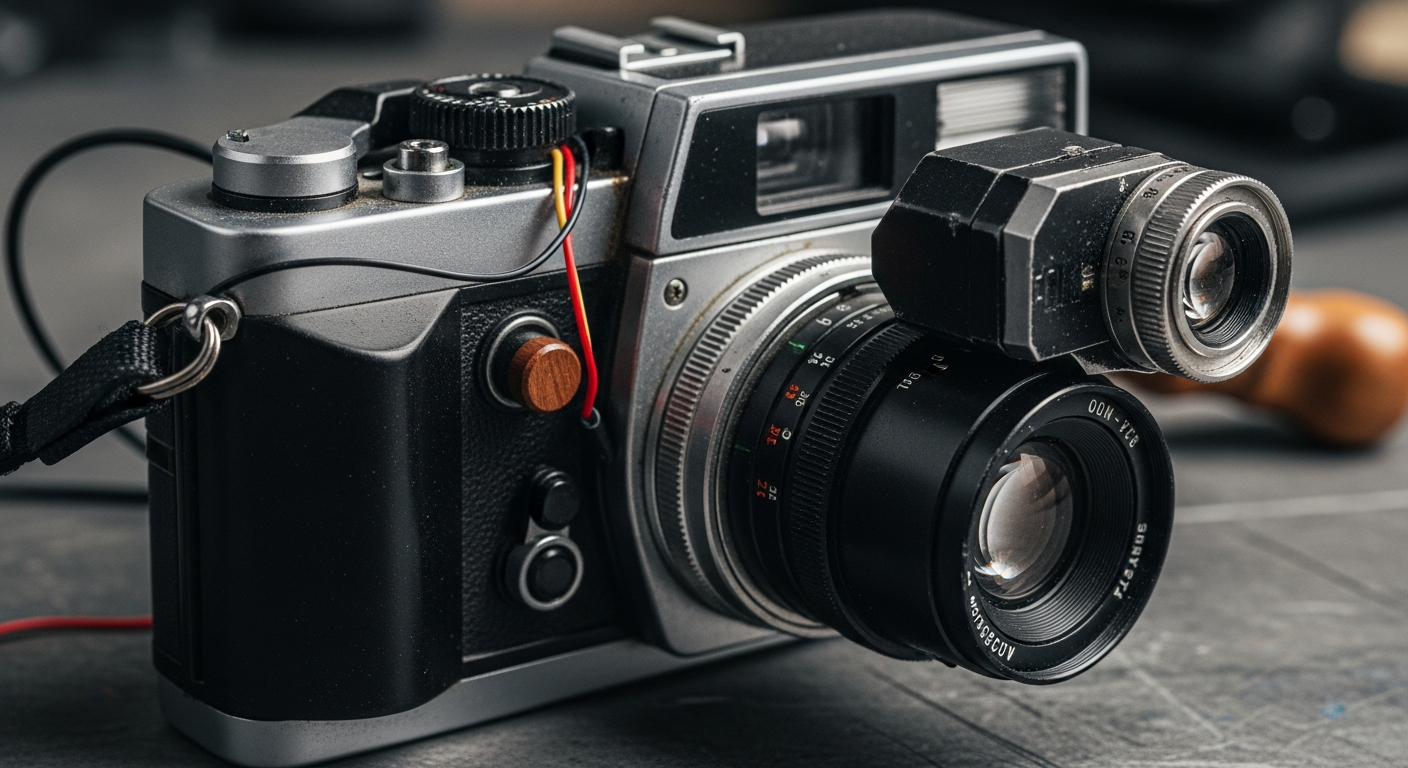
Beyond the Specifications: A Culture of Modification
The camera hacking community isn't merely about repair; it's about re-imagination. It's a culture that values the journey of creation as much as the final photographic output. Hackers often seek to impart a distinct character to their cameras, whether through custom paint jobs, integrated new features, or radical alterations that transform the device's original function. This often involves combining elements from disparate cameras, adapting lenses never intended for a particular body, or even 3D printing custom parts to achieve unique ergonomics or optical effects.
This approach fundamentally challenges the consumerist narrative of upgrading to the 'next best thing.' Instead, it champions resourcefulness and personalization, turning a mass-produced item into a bespoke instrument. The imperfections or quirks introduced by these modifications are often celebrated as signatures, contributing to an aesthetic that is distinctly human and non-commercial.
The Echo of History: Lomo Smena and the Democratization of Photography
The current phenomenon of low-cost camera hacking draws a clear lineage from historical precedents. The mention of the Lomo Smena 8M in the source context is particularly pertinent. Originating from the Soviet Union, the Smena 8M was an extremely affordable, simple camera designed to put photography into the hands of ordinary citizens. It wasn't about professional quality; it was about accessibility, encouraging experimentation, and democratizing the photographic process.
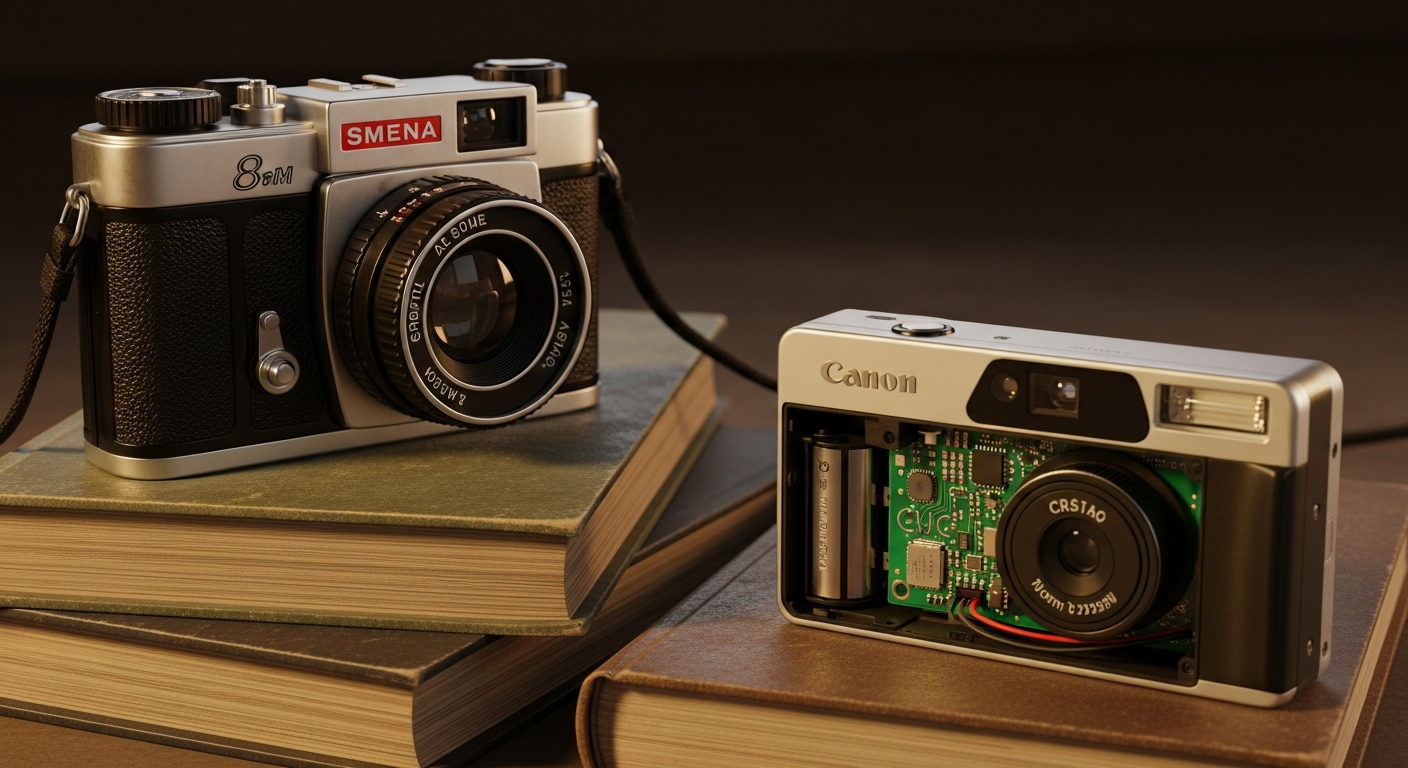
These cameras, despite their simplicity, fostered a vibrant amateur photography scene globally, often leading users to understand their mechanics and push their boundaries. Today's hackers, by focusing on budget-friendly devices, are re-igniting this spirit, proving that the tools for powerful visual storytelling and technical exploration don't need to come with an exorbitant price tag. It's a continuation of a long-standing tradition: using what's available to create something extraordinary.
Public Sentiment
The sentiment surrounding this movement is overwhelmingly positive, emphasizing empowerment and creative freedom. Online forums and social media comments frequently echo these sentiments:
-
"Why spend thousands when you can build something unique for less than a hundred? It's about the process and learning, not just the brand." – Reddit user, r/camerahacks
-
"Failing on a cheap camera just means you learned something. Failing on a top-tier camera is a nightmare. This is how you really get good at understanding optics and mechanics." – Photography blogger
-
"The 'character' you get from a hacked camera is something you can't buy off the shelf. Every scratch, every modification tells a story about how that image was made." – Instagram commenter
-
"It's like open-source hardware for photography. Everyone shares, everyone learns, and the whole community benefits." – Forum participant
Conclusion
The resurgence of interest in hacking inexpensive cameras signals a significant shift in the photography world. It moves beyond the relentless pursuit of technical perfection and brand prestige, towards a more democratic, hands-on, and community-driven approach. By embracing the low-end, enthusiasts are not just creating unique photographic tools; they are fostering a culture of resourcefulness, technical literacy, and boundless creativity. This movement, with its echoes of historical efforts to democratize photography, reminds us that the most profound innovations often emerge not from the highest budgets, but from the most imaginative minds, armed with little more than curiosity and a screwdriver.