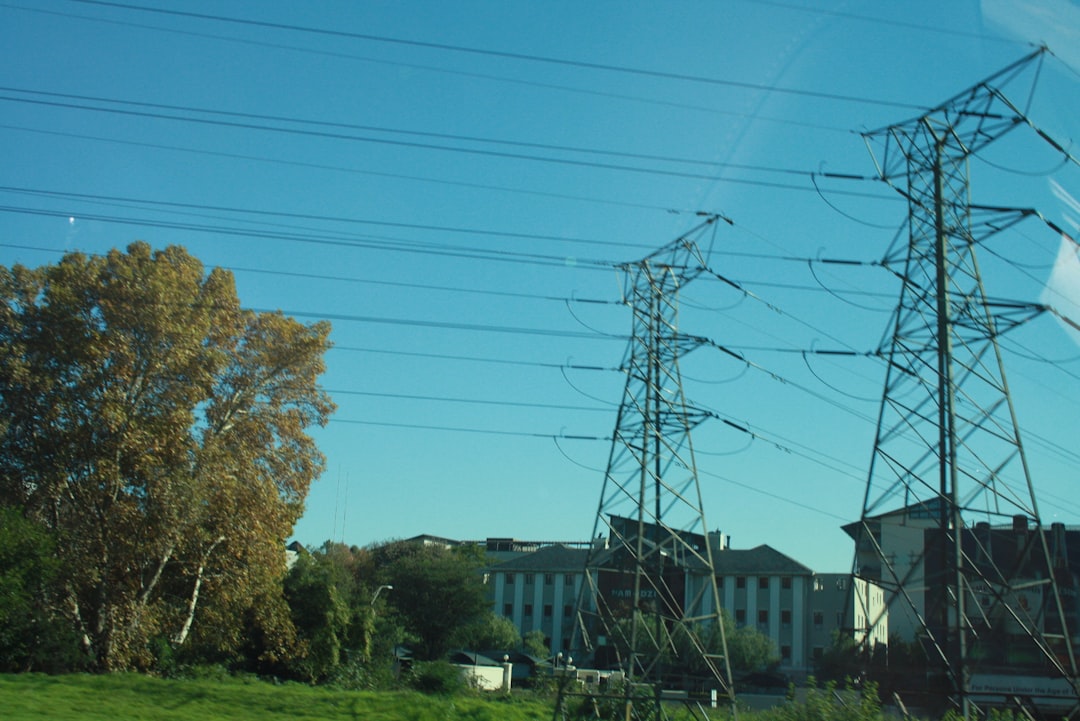
The narrative around artificial intelligence has long been one of limitless possibility, driven by exponential growth in computing power. Yet, this relentless ascent is now slamming headfirst into a very physical constraint: the availability of reliable, affordable energy. Data centers, the colossal brains of the AI age, are voracious power consumers, and their expansion is rapidly outstripping existing electrical infrastructure.
Into this escalating crisis steps C2i, an Indian startup, armed with $15 million in backing from Peak XV and a promise to tackle 'power losses' with a 'grid-to-GPU' approach. On the surface, it's an appealing proposition – squeeze more performance from every watt. But a deeper look reveals a familiar pattern of focusing on tactical efficiency gains while sidestepping the colossal strategic challenges of AI's overall environmental and energy footprint.
Key Takeaways
-
Incremental vs. Transformative: C2i's 'grid-to-GPU' approach aims for efficiency, but questions remain about its ability to fundamentally alter AI's unsustainable energy trajectory.
-
The Scale Problem: A $15 million investment, while significant for a startup, appears modest against the trillions needed to overhaul global energy infrastructure for AI.
-
Band-Aid on a Bullet Wound: Critics argue that optimizing power loss, while good, doesn't address the core issue of unchecked AI growth and its raw energy requirements.
-
Investor Motivation: Peak XV's backing could be a genuine bet on innovation or a strategic move to capitalize on the AI energy crisis narrative, irrespective of the solution's long-term impact.
-
Missed Opportunity for Systemic Change: The focus on efficiency risks diverting attention from the urgent need for sustainable energy sources and more responsible AI development practices.
Main Analysis: Peeling Back the Layers of AI's Energy Predicament
The 'Crisis' Narrative: Convenient Truth or Self-Inflicted Wound?
It’s no secret that AI is power-hungry. Training large language models (LLMs) consumes the energy equivalent of small cities. Running inference for billions of queries daily multiplies that demand exponentially. The 'power limits' AI data centers are hitting weren't unpredictable; they were an inevitable consequence of an industry that prioritized computational might above all else, often with little regard for the environmental externalities or infrastructural strain. The sudden scramble for 'fixes' feels less like proactive innovation and more like a belated reaction to a problem created by the industry itself.
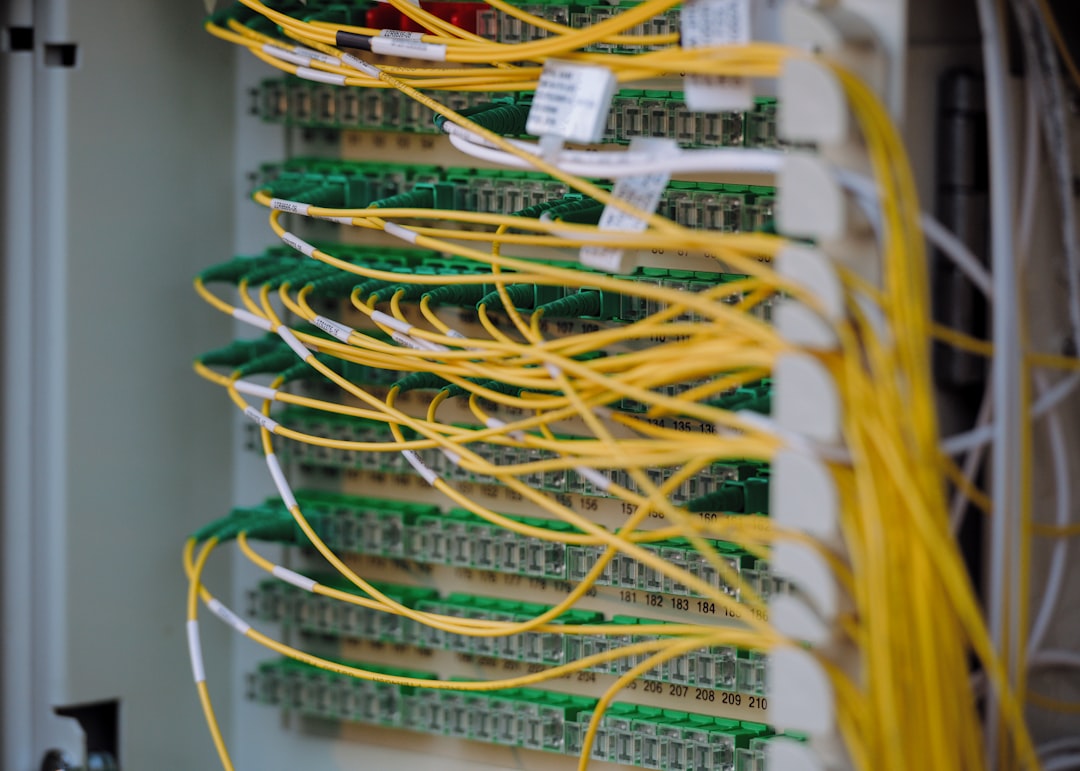
This 'crisis' narrative, while rooted in fact, also conveniently fuels investor interest in anything purporting to offer a solution, regardless of its true impact. It allows for the continued pursuit of ever-larger models and data centers, with the implicit promise that some future technological marvel will clean up the mess.
C2i's 'Grid-to-GPU': Optimizing the Margins, Ignoring the Source?
C2i's 'grid-to-GPU' strategy suggests an optimization of power delivery and consumption from the moment electricity enters the data center to the specific components on the GPU. Reducing power loss is unequivocally a good thing; even marginal gains in efficiency can translate into significant savings at scale. However, the critical question remains: does this address the fundamental problem of where that power comes from, and how much of it AI ultimately demands?
Optimizing existing dirty energy for marginal gains, while helpful, doesn't shift the needle towards true sustainability. It's akin to making a gas-guzzling SUV slightly more fuel-efficient, rather than transitioning to an electric vehicle. The source of the energy—coal, natural gas, or renewables—remains the paramount concern for environmental impact, not just the efficiency of its final consumption.
Furthermore, a $15 million investment, while substantial for a seed or Series A round, seems a drop in the ocean when considering the monumental infrastructure overhauls and global energy grid transformations required to sustainably power the projected growth of AI. It suggests a solution focused on internal data center optimization, rather than a systemic, grid-level transformation.
Peak XV's Play: Strategic Vision or Hype-Driven Speculation?
Peak XV's investment in C2i is certainly an endorsement of the startup's potential, but it also warrants scrutiny. Venture capital, by its nature, seeks high returns, often in nascent and volatile markets. In the current AI gold rush, any company promising to alleviate a critical bottleneck is a tempting target.
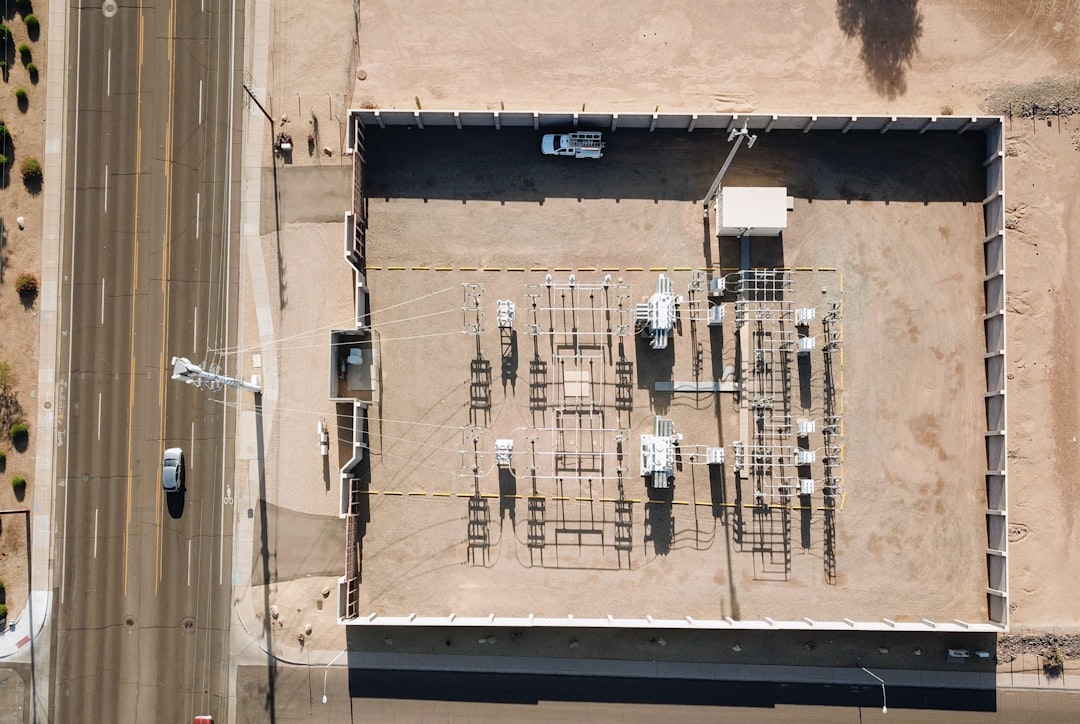
Is Peak XV betting on a truly transformative technology that will redefine AI's energy consumption, or are they simply riding the wave of urgency around AI's power problem, hoping for a quick flip? History is replete with examples of 'critical' technologies that received significant funding but ultimately offered only incremental improvements or were overshadowed by more disruptive innovations. Investors, particularly in frothy markets, can sometimes prioritize being 'in' the hot sector over rigorous long-term viability.
The Broader Energy Conundrum: A Distraction from Deeper Issues?
The intense focus on internal data center efficiency, while important, risks distracting from the more profound challenge: the sheer, raw quantity of energy AI requires. The narrative often centers on 'optimizing,' 'reducing losses,' or 'making smarter use,' but rarely on the more uncomfortable questions of 'do we need this much AI?' or 'can our planet truly support this level of computational intensity?'
Unless coupled with massive investments in renewable energy infrastructure and a fundamental rethinking of AI's architectural efficiency from the ground up, minor gains in 'grid-to-GPU' power delivery will likely be swallowed whole by the ever-increasing demand for more powerful, more complex AI models. This isn't just an engineering problem; it's a socio-economic and environmental one that demands far more than just better wiring.
Public Sentiment: Skepticism Lingers
Dr. Lena Hansen, Energy Policy Analyst: "It's laudable to reduce waste, but focusing on 'grid-to-GPU' efficiency alone is like trying to fix a leaky faucet while the dam is collapsing. We need fundamental shifts in energy generation, not just marginal gains in consumption efficiency within data centers."
Mark Jenkins, Data Center Architect: "Every watt counts, absolutely. But the scale of AI's power problem means we need solutions that are orders of magnitude more impactful. We're talking about global grid overhauls and potentially re-evaluating the very nature of AI processing, not just better power strips."
Sarah Chen, Environmental Advocate: "This sounds like another form of greenwashing. If the 'grid' supplying the 'GPU' is powered by fossil fuels, then all the efficiency in the world won't make AI truly sustainable. We need a clean grid first and foremost."
Conclusion
While C2i's efforts to reduce power losses in AI data centers are commendable, the $15 million investment from Peak XV appears to be a cautious step rather than a giant leap towards solving AI's looming energy crisis. The 'grid-to-GPU' approach, by its very definition, targets internal efficiencies within the existing paradigm. It is a necessary but ultimately insufficient response to a problem that demands systemic change across energy generation, distribution, and consumption. Until the industry confronts the uncomfortable truth about AI's colossal energy footprint and commits to truly sustainable, renewable-powered solutions, incremental efficiency gains, however sophisticated, will continue to feel like rearranging deck chairs on a very energy-intensive Titanic.