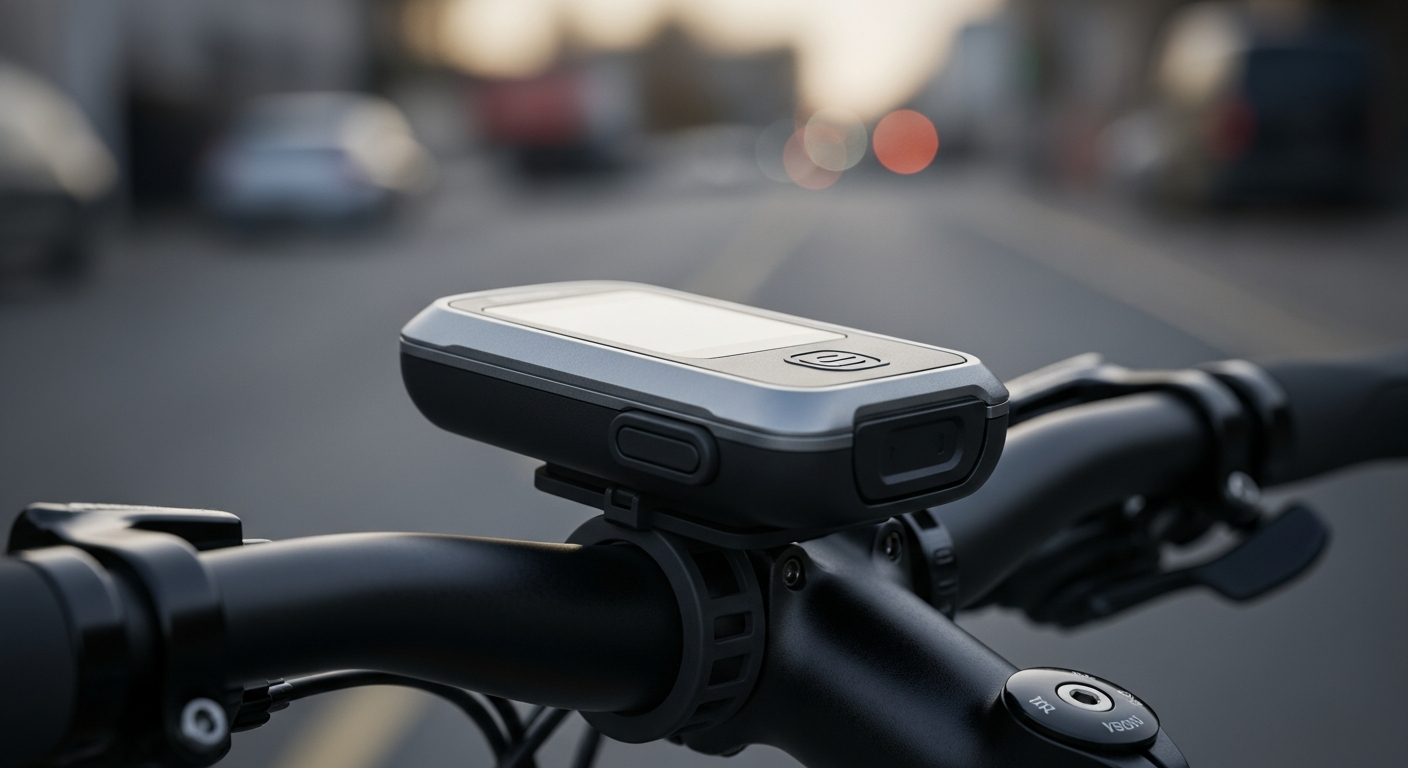
The 'Ultra-Cute' bbTalkie: A Quaint Reinvention or a Necessary Evolution for Cyclists?
Nut Graph In an increasingly connected world, the allure of dedicated, purpose-built communication devices often clashes with the omnipresence of smartphones and versatile accessories. RealCorebb’s "bbTalkie" project, touting "ultra-cute, handsfree walkie-talkies built for cycling" and powered by ESP32, positions itself as a refined solution for the open road. Yet, Rusty Tablet remains skeptical: does this charming communicator genuinely fulfill an unmet need for modern cyclists, or is it merely a well-packaged reinvention of a wheel that already spins efficiently elsewhere?
Key Takeaways
-
The bbTalkie aims to provide handsfree, cycling-specific communication with a "cute" design.
-
Utilizes ESP32 technology for advanced, self-contained features.
-
Its practical utility, real-world robustness, and competitive advantage against existing communication solutions are highly questionable.
-
Risks over-engineering a problem already solved by more versatile and cost-effective alternatives.
Main Analysis
The Allure of the Niche: Redundancy in the Saddle RealCorebb's bbTalkie touts handsfree, dedicated communication for cyclists. While seamless group chatter is appealing, its necessity is questionable given modern smartphones. Most cyclists already use phones for calls, messaging, or push-to-talk apps via Bluetooth. What critical gap does bbTalkie fill that existing setups don't? Is its "handsfree" aspect genuinely superior, or just a limited replication of voice assistants or headset buttons? Its single-purpose nature risks redundancy and added cost for consumers already invested in versatile tech.
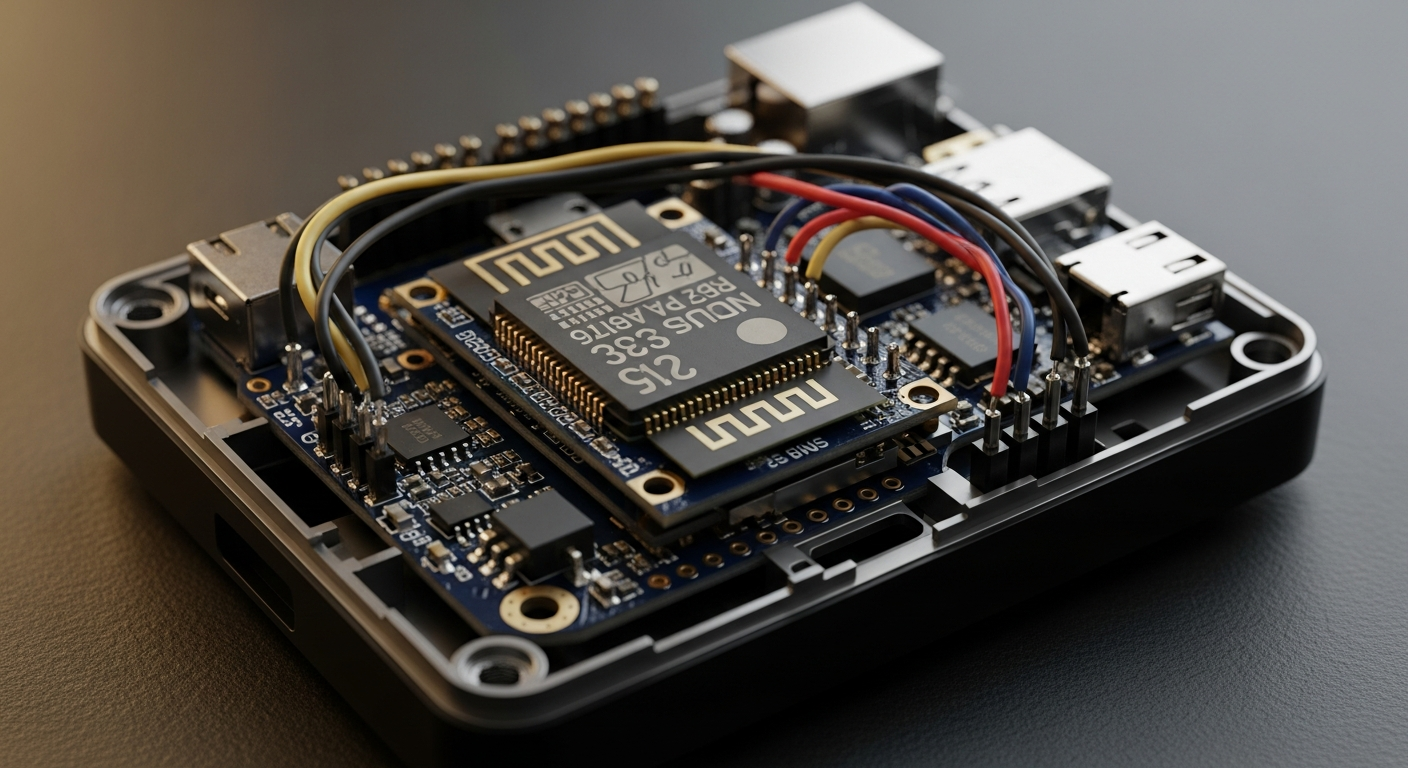
Under the Hood: ESP32's Promise vs. Real-World Constraints The ESP32 core signals a versatile microcontroller, popular in DIY. For a "refined, self-contained" product, this implies customizability and advanced features. Yet, moving from hobbyist to mass-market brings challenges. What specific "cool features" justify a dedicated device? Is its range competitive with FRS/GMRS radios or cellular networks? What about security and privacy? Without robust encryption and interference mitigation, "self-contained" could mean "isolated" or "vulnerable." Technical foundation might be sound, but application needs to prove superiority beyond novelty.
"Handsfree" Convenience: A Distraction by Any Other Name? "Handsfree" operation is vital for cyclist safety, but implementation is crucial. Does it mean accurate voice activation filtering wind and traffic? Or reliance on subtle gestures that still demand cognitive attention, potentially distracting from complex terrain or traffic? How does it manage notifications without overwhelming the rider? The "ultra-cute" aesthetic must not overshadow the core need for functional, unobtrusive, and genuinely safe operation in a dynamic cycling environment, where minor distractions can be serious.
Durability and Design: Beyond the Aesthetic Appeal Cycling equipment endures significant stress: vibrations, sweat, dust, rain. "Ultra-cute" might attract initial attention, but raises concerns about long-term ruggedness. What materials are used? Is it IP-rated for outdoor cycling? How will it mount securely without rattling or dislodging? Prioritizing aesthetics over robust, field-tested durability could be a significant misstep, leading to a charming but fragile device. Reliable, extended battery life is also non-negotiable for a truly refined communicator.
The Price of Novelty: Is the bbTalkie a Value Proposition? Though pricing is unavailable, custom ESP32 integration and a "refined" design suggest a premium price. To be compelling, bbTalkie must offer value significantly outweighing alternatives. Cyclists already choose from inexpensive FRS radios to high-end Bluetooth helmet systems. Is "cuteness" and "self-contained" nature enough to justify a potentially higher cost, especially considering redundancy with existing smartphone capabilities? The market demands innovation, yes, but also clear justification relative to cost and genuine utility in real-world scenarios.
Public Sentiment
Public discussion often highlights a division. Enthusiasts might appreciate a dedicated solution: "A handsfree device sounds great for group rides!" However, many cyclists express skepticism: "Why another gadget? My phone and Bluetooth already do this better, and I don't need more things to charge." Others voice concerns about durability and cost. The sentiment leans towards wanting simplification, not necessarily more dedicated devices.
Conclusion
RealCorebb's bbTalkie project presents an interesting concept: an "ultra-cute, handsfree walkie-talkie built for cycling" powered by ESP32. While the idea of a "highly refined, self-contained communicator" carries appeal, a critical examination reveals significant questions regarding its practicality and market relevance. In a landscape saturated with sophisticated communication tools and robust, multi-functional cycling accessories, this new entrant needs to prove its worth beyond its charming exterior and technical foundations. Will it truly enhance the cycling experience, or will it be seen as a quaint, albeit redundant, attempt to solve an already adequately addressed problem? For the discerning cyclist and the critical observer, the bbTalkie's ultimate impact on the road remains, at best, uncertain.