
Key Takeaways:
-
Anthropic's expansion into agentic AI, leveraging Vercept's expertise in computer-use agents.
-
The escalating "talent war" in AI, exemplified by the poaching of Vercept's co-founder by Meta.
-
The growing strategic importance of AI agents capable of autonomous task execution across applications.
-
A clearer delineation of competitive fronts among major AI players like Anthropic, Meta, OpenAI, and Google.
The Emergence of Truly Agentic AI
The next frontier in artificial intelligence extends beyond large language models (LLMs) that merely generate text or code. It lies in "agentic AI"—systems capable of autonomously understanding complex goals, breaking them down into actionable steps, executing those steps across various digital environments, and learning from their outcomes. Vercept, before its acquisition, was a pioneer in this domain, specifically developing sophisticated computer-use agents. These agents are designed to mimic human interaction with software, navigating applications, inputting data, and completing multi-step tasks within programs like a person operating a laptop. This capability represents a substantial leap towards fully automated digital workforces and intelligent personal assistants. It transforms passive AI tools into proactive digital collaborators, fundamentally altering how humans interact with technology and how businesses operate.

Anthropic's Strategic Imperative
For Anthropic, a company renowned for its constitutional AI approach and the development of Claude, the Vercept acquisition is a calculated strategic move. While Claude excels in reasoning and language tasks, integrating Vercept's agentic tools directly addresses a critical gap: the ability to act in the digital world. This acquisition positions Anthropic to offer a more comprehensive AI solution, moving beyond conversational interfaces to direct, actionable automation. It allows Anthropic to deepen its offering for enterprise clients looking to automate complex workflows and provides a competitive edge against rivals who are also heavily investing in agentic capabilities. By bringing Vercept's technology in-house, Anthropic aims to accelerate the development of AI systems that are not just intelligent but also highly functional and integrated into existing digital ecosystems.
The Intensifying Talent War and Competitive Edge
The backdrop of Meta poaching one of Vercept's founders prior to the acquisition highlights a pervasive challenge in the AI industry: the fierce competition for talent. In a field where expertise is scarce and innovation cycles are rapid, top researchers and engineers are commodities. This incident underscores that valuable IP often walks on two legs. Anthropic's acquisition, therefore, is not merely about technology; it's also a significant talent grab, securing the remaining Vercept team and their collective knowledge. In an industry where a single individual or a small, specialized team can drive breakthroughs, retaining or acquiring such talent is paramount. This dynamic further solidifies the notion that strategic acquisitions are often as much about human capital as they are about technological assets, especially when a competitor has already made a move.
Reshaping the AI Competitive Landscape
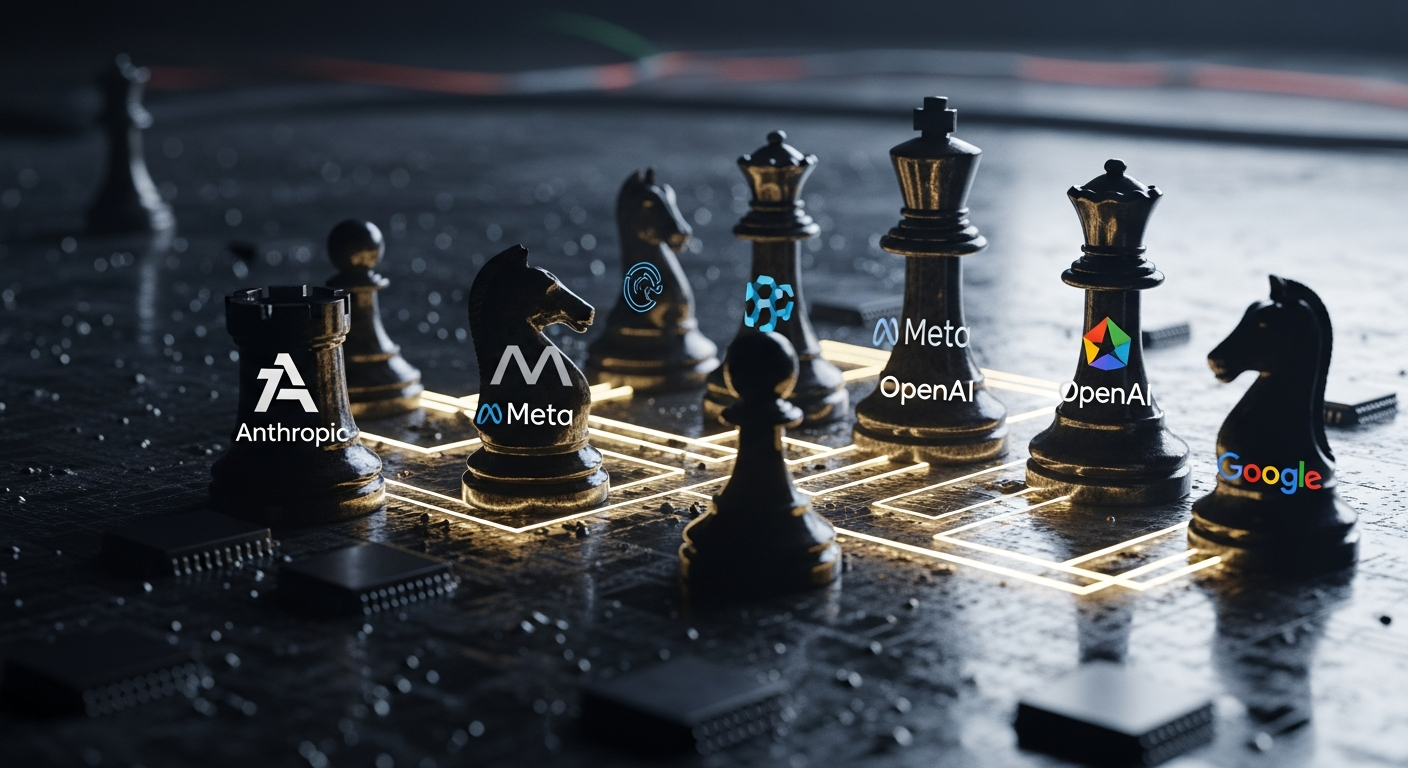
The integration of Vercept into Anthropic will undoubtedly reshape the competitive landscape. Major players like OpenAI (with its plugin ecosystem and nascent agent features), Google (which has demonstrated advanced agentic capabilities like AutoGPT in research settings), and Meta (aggressively recruiting top AI minds) are all vying for supremacy in the next generation of AI. Anthropic's acquisition signals its clear intent to not be left behind in the agentic race. It transforms the company from primarily an LLM developer to a full-stack AI solutions provider, capable of delivering agents that can operate independently within diverse software environments. This move is a strategic declaration, setting the stage for increased innovation, accelerated development, and potentially new market segments defined by advanced AI automation. The battle for who builds the most capable, reliable, and secure AI agents is now fully underway.
Public Sentiment:
Industry analysts largely view Anthropic’s acquisition of Vercept as a shrewd and necessary move. Many experts echo sentiments of "strategic foresight," recognizing the crucial role agentic AI will play in future enterprise solutions and consumer applications. There's a consensus that while LLMs provide the brains, agents provide the brawn—the ability to do. Concerns, however, are also being raised regarding the concentration of AI talent and technology within a few large entities, with some calling for greater transparency and ethical guidelines as these powerful agents become more ubiquitous. The narrative around the poaching incident adds a layer of intrigue, reinforcing the high stakes involved in securing intellectual capital in this nascent field.
Conclusion:
Anthropic's acquisition of Vercept is more than just a corporate transaction; it is a pivotal moment that reflects the evolving priorities and intensifying dynamics within the artificial intelligence sector. By integrating Vercept's cutting-edge agentic AI capabilities, Anthropic is not only strengthening its technological arsenal but also making a definitive statement about its vision for the future of AI—one where intelligent systems seamlessly interact with and operate within the digital world. This strategic move, against the backdrop of an ongoing talent war, sets the stage for rapid advancements in computer-use agents and promises to accelerate the industry towards a new era of automation and digital empowerment. The ripple effects of this acquisition will undoubtedly be felt across the competitive landscape, pushing all major players to innovate further and faster in the race to define the next generation of AI.