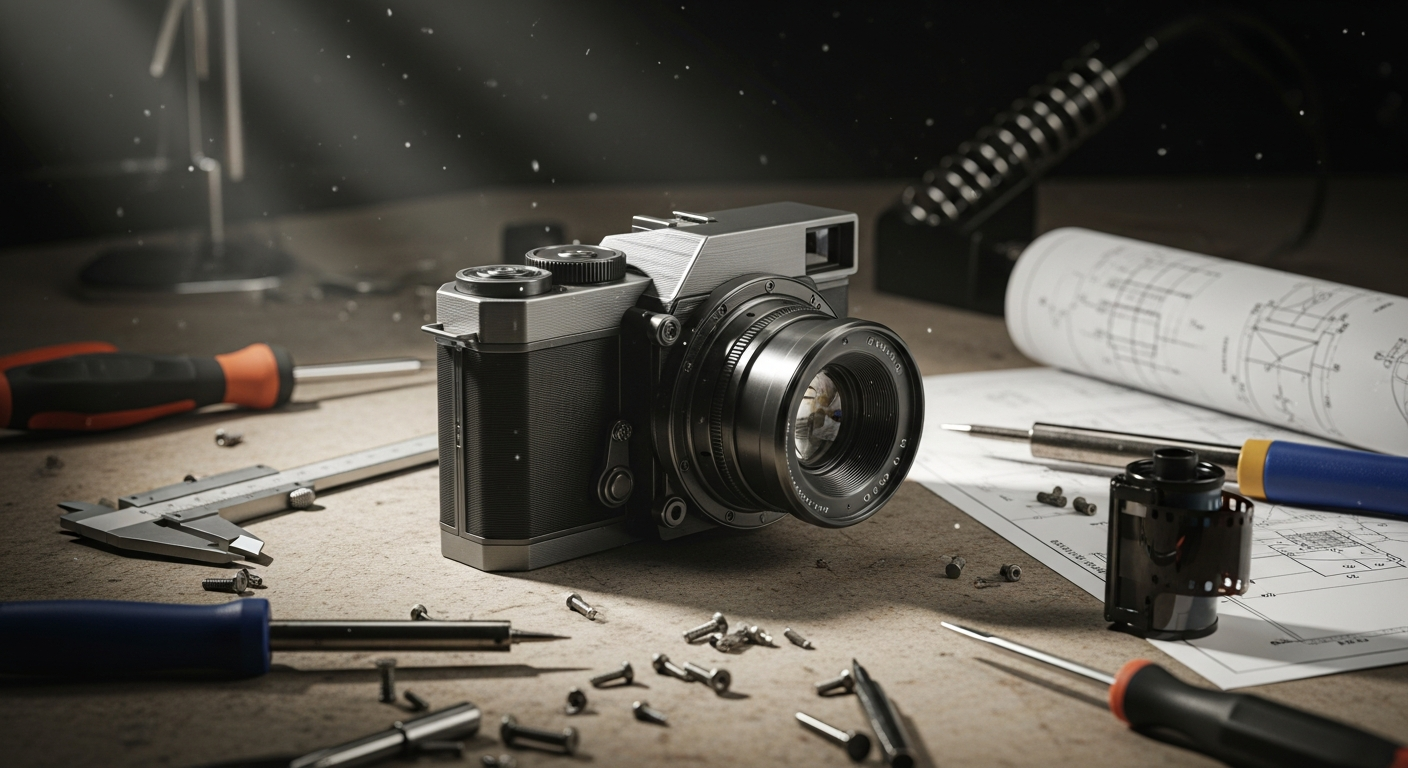
The landscape of photography has undergone seismic shifts over the past two decades. Digital technology, with its instant feedback, vast storage, and post-processing flexibility, has undoubtedly democratised image-making. Yet, beneath this digital tide, a distinct current of analogue appreciation has been steadily gaining momentum. The recent emergence of sophisticated 3D-printed film cameras, particularly panoramic models, signifies a critical juncture where cutting-edge manufacturing meets traditional photographic craft.
Key Takeaways
-
Democratisation of Hardware: 3D printing makes complex camera components accessible to hobbyists, moving beyond proprietary designs.
-
Customisation & Innovation: Users can modify, repair, and innovate designs, fostering a vibrant open-source community.
-
Sustainability & Repairability: DIY builds promote longevity and reduce electronic waste through modular, replaceable parts.
-
Educational Value: Assembling a camera offers profound insights into photographic mechanics and optical principles.
-
Reaffirmation of Craft: The process of building and shooting film encourages a slower, more deliberate approach to photography.
Main Analysis
The Confluence of Digital Tools and Analogue Desires
At its core, the phenomenon of 3D-printed film cameras represents a fascinating dichotomy. On one hand, it leverages highly advanced digital fabrication techniques – CAD design, rapid prototyping, and additive manufacturing – processes that are intrinsically linked to the digital revolution. On the other, the output is a tool dedicated to analogue film, a medium renowned for its tactile qualities, distinct aesthetic, and the slower, more considered workflow it necessitates. This convergence is not merely a novelty; it is a profound statement on how technology can serve to preserve and re-invigorate traditional crafts, rather than solely supersede them.
Historically, camera manufacturing has been the domain of specialised factories, demanding precision engineering and significant capital investment. The intricate mechanisms of a film camera, from its shutter assembly to its film advance system, posed substantial barriers to entry for independent creators. 3D printing shatters these barriers, enabling individuals or small teams to produce complex, functional parts with relative ease and at a fraction of the cost. This shift transforms photography from a consumer-centric activity into a creator-centric one, allowing enthusiasts to understand, modify, and even improve upon the very instruments they use.
Democratising the Engineering: From Concept to Capture
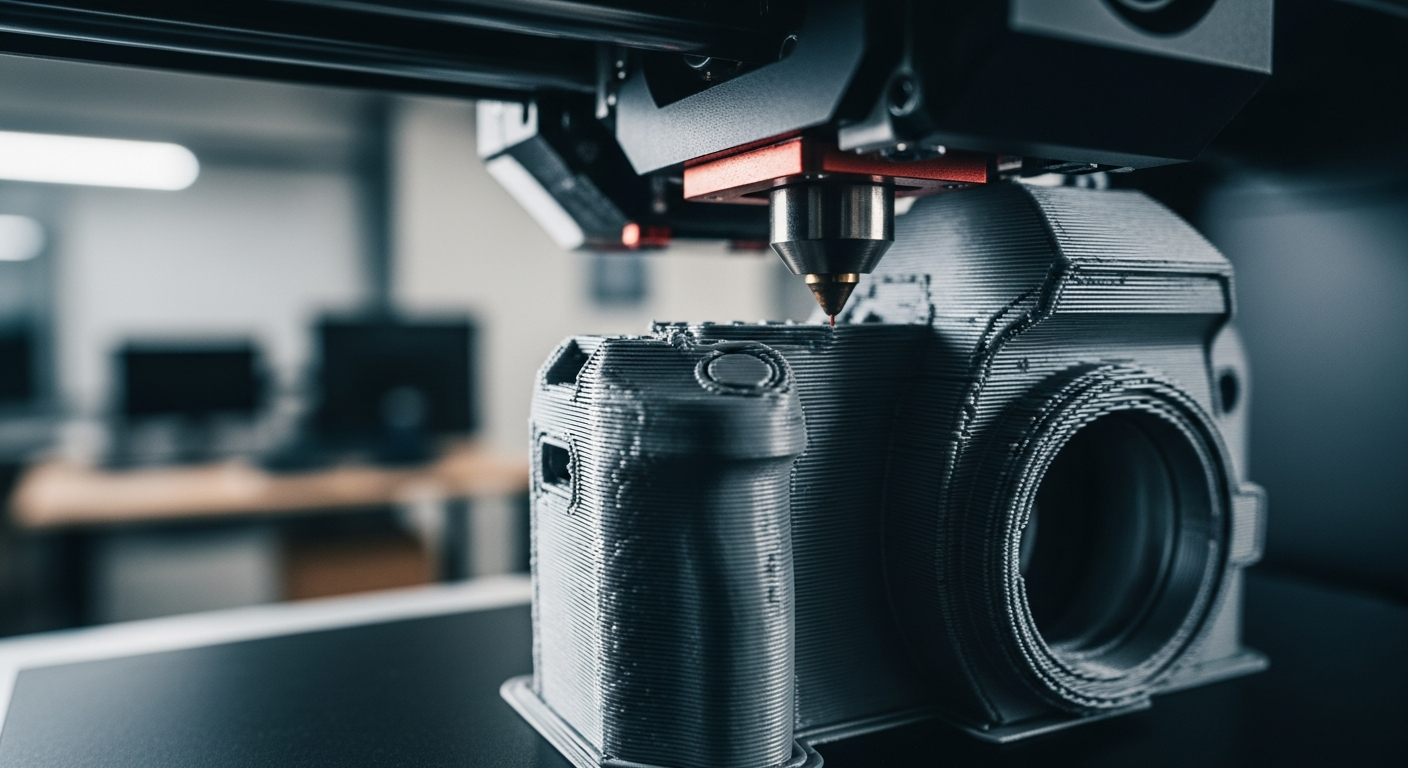
The ability to fabricate custom camera bodies, film holders, and even lens mounts with a desktop 3D printer empowers a new generation of photographic innovators. Projects like the open-source panoramic film camera highlight the potential for community-driven development. Designers share files, users offer feedback, and modifications are rapidly iterated upon. This collaborative spirit mirrors the open-source software movement, but applied to physical hardware, fostering a vibrant ecosystem of makers.
Such a movement is particularly relevant in the context of film photography, where vintage equipment can be expensive, difficult to repair, or simply unavailable for niche formats like panoramic film. By providing blueprints for printable parts, these projects ensure the longevity and accessibility of analogue practices, making obscure formats and custom setups more attainable for a broader audience. It's a testament to human ingenuity: facing limitations, we create our own solutions, often by blending the best of old and new technologies.
The Allure of the Tangible and the Sustainable Angle
Beyond technical accessibility, the appeal of 3D-printed film cameras also taps into a deeper human desire for the tangible and the crafted. In an increasingly digital world, there is a growing appreciation for objects that require effort, skill, and patience to create and operate. The process of loading film, manually setting exposures, and waiting for development results in a more profound connection to the photographic output. The camera itself, when built by hand, becomes an extension of the photographer's creative journey, imbued with personal investment.
Furthermore, these DIY camera projects often champion principles of sustainability and repairability. Unlike mass-produced electronics, which are often designed with planned obsolescence, 3D-printed cameras can be easily repaired by printing replacement parts. Components can be upgraded, materials can be chosen for durability or specific aesthetic qualities, and the entire lifecycle of the camera becomes more transparent and user-controlled. This stands in stark contrast to the throwaway culture sometimes associated with rapidly evolving digital gadgets, offering a more environmentally conscious approach to photographic equipment.
Public Sentiment
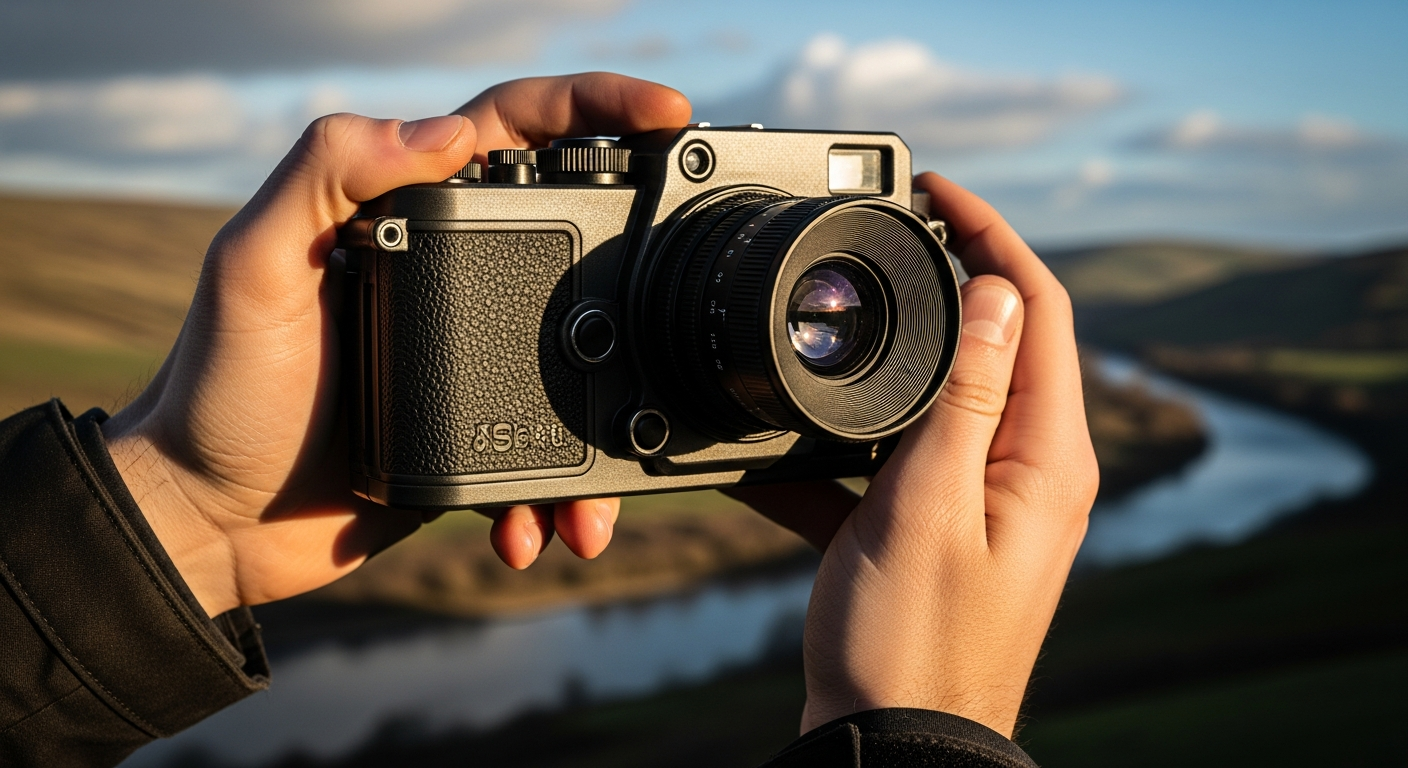
Public discourse around 3D-printed film cameras is overwhelmingly positive, reflecting a confluence of nostalgia, technical curiosity, and a desire for creative autonomy. Many users express a deep satisfaction in understanding the mechanics of their tools. One forum user commented, “Building my own camera feels like reclaiming a piece of photographic history, but with a modern twist. It’s not just about taking pictures, it’s about making the pictures possible.” Another noted, “The learning curve is steep, but the satisfaction of seeing a functional camera emerge from a 3D printer is unparalleled. Plus, the customisation options are endless.” There's a clear appreciation for the open-source nature, with users sharing designs and offering troubleshooting advice, fostering a collaborative community spirit that contrasts with the often solitary act of digital photography. The sentiment underscores a shift towards valuing process and craft as much as, if not more than, the final product.
Conclusion
The marriage of 3D printing and analogue photography is more than a fleeting trend; it represents a significant evolution in how photographic tools are conceived, produced, and utilised. It is a powerful example of how digital technologies can empower individual creators, foster community, and even champion more sustainable practices within a highly specialised field. As materials and printing technologies continue to advance, we can anticipate an even richer tapestry of custom-built, open-source photographic equipment, driving innovation and ensuring that the timeless appeal of film photography remains vibrant and accessible for generations to come. This movement reaffirms that at the heart of photography lies not just the capture of light, but the spirit of creation itself.