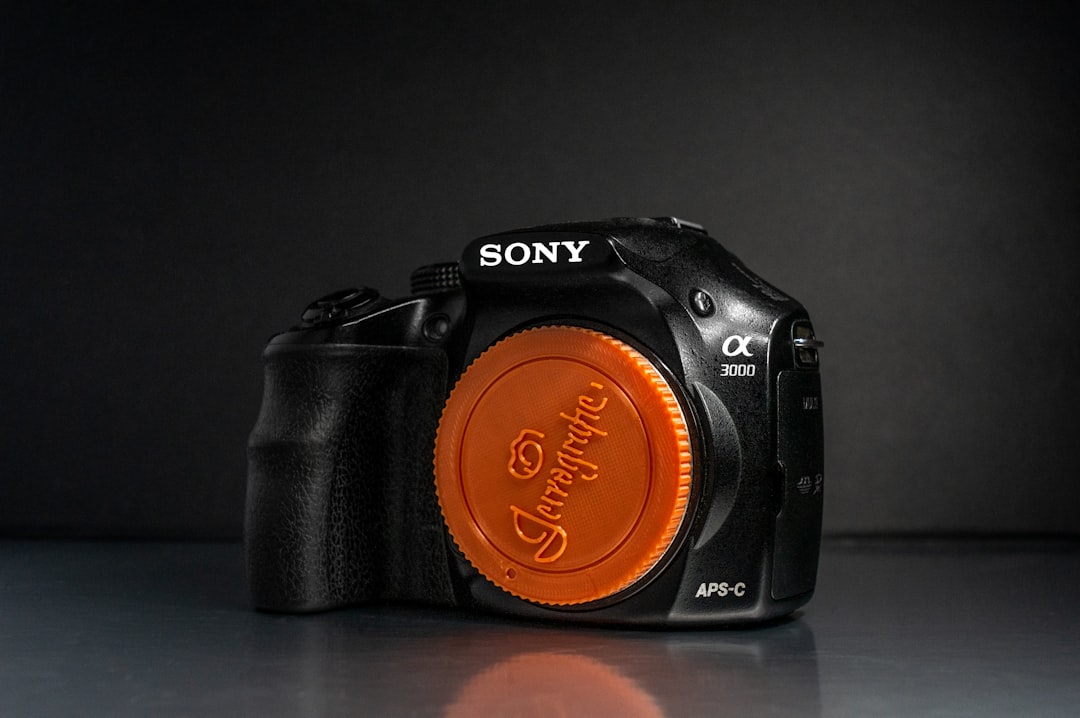
The Analog Imperative: Why a 3D Printed Film Camera Signals a Deeper Craving for Craftsmanship
In a world awash with digital convenience, where a high-resolution image is merely a tap away, the announcement of a panoramic film camera meticulously constructed from 3D printed parts might strike some as an anachronism. To the discerning eye, however, it is a profound signal, a testament to an underlying cultural current pushing back against the tide of digital ubiquity. This isn't merely about nostalgia; it’s about a deeply rooted human craving for tangibility, mastery, and the distinct satisfaction derived from creating something bespoke.
Key Takeaways
-
The Rise of Bespoke Manufacturing: 3D printing is democratizing complex manufacturing, allowing enthusiasts to create highly specialized tools that were once the domain of industrial giants.
-
Reclaiming Technical Literacy: Building a camera from scratch fosters a deeper understanding of optics, mechanics, and the photographic process, moving beyond the 'black box' of consumer electronics.
-
The Enduring Appeal of Analog: Despite digital convenience, the tactile nature, deliberate pace, and unique aesthetic of film photography continue to attract a growing demographic.
-
Sustainability Through DIY: Repairability and modularity inherent in 3D printed designs offer a refreshing alternative to the planned obsolescence of many commercial products.
-
Empowerment Through Open Source: Projects like this thrive on open-source principles, fostering communities of makers and innovators globally.
Main Analysis: Crafting a Counter-Narrative
Beyond the 'Click': The Allure of the Deliberate Process
The digital revolution in photography was supposed to free us. And in many ways, it has. Lowered barriers to entry, instant feedback, limitless storage—these are undeniably powerful advantages. Yet, in this relentless pursuit of efficiency, something vital has been lost: the intentionality of the shot, the preciousness of each frame, and the deep, almost meditative engagement with the photographic process itself. A 3D printed film camera is an act of defiance against this acceleration. It demands patience, precision, and a willingness to embrace the imperfections that often define true artistry.
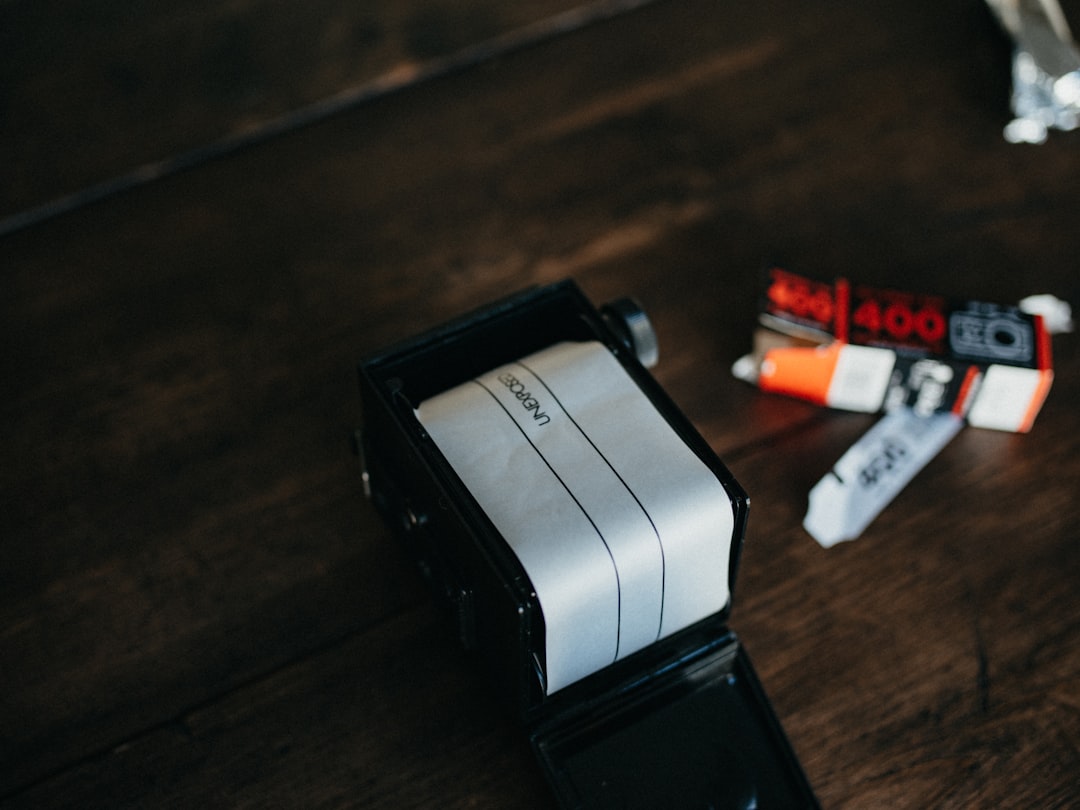
This isn't just about taking a photo; it's about the entire journey. From printing the components, carefully assembling them, calibrating the lens, loading the film, and finally, the anticipation of developing the negatives – each step is a commitment. It transforms the act of photography from a passive capture into an active creation.
Democratizing Manufacturing: A New Age of Artisan Tooling
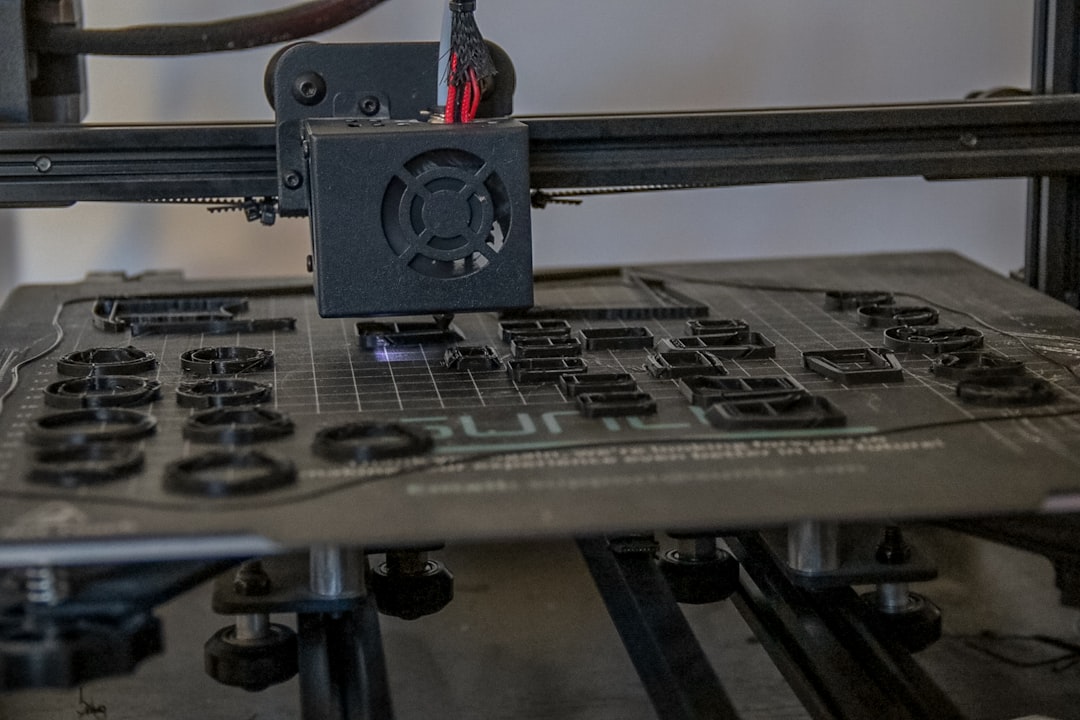
The most striking aspect of this project is its reliance on 3D printing. This technology has evolved from a prototyping tool to a legitimate method for producing functional, high-precision components. The implications are profound. Traditionally, creating a complex optical device like a camera required specialized machinery, vast capital, and industrial-scale production. Now, with a desktop 3D printer and accessible CAD software, an individual or a small collective can conceive, design, and manufacture their own tools.
This democratization of manufacturing isn't just about cost reduction; it's about control. It empowers hobbyists, engineers, and artists to bypass commercial limitations, tailoring tools precisely to their needs or simply exploring the boundaries of what's possible. It shifts the paradigm from mass consumption to bespoke creation, fostering a new breed of industrial artisans.
The 'Maker' Movement Comes of Age
The 3D printed camera is a flagship example of the 'maker' movement reaching a new level of sophistication. It synthesizes multiple disciplines: mechanical engineering, optics, materials science, and digital fabrication. This interdisciplinary approach is critical. It moves beyond simple DIY repairs or decorative prints, showcasing the potential for open-source hardware to create sophisticated, functional objects that genuinely challenge established market norms. This project isn't just about making a camera; it's about building knowledge, sharing designs, and fostering a community that values ingenuity over consumerism.
This shift challenges the very notion of 'professional' equipment. If a well-designed, open-source camera can produce stunning panoramic images, what does that mean for the multi-thousand-dollar gear marketed to professionals? It suggests that true innovation and creative power might increasingly reside outside traditional corporate structures, within the hands of passionate individuals and collaborative communities.
Public Sentiment: A Chorus of Awe and Aspiration
Online forums and social media echo with a mix of admiration and a yearning for tangible creation. “This is exactly what the photography world needs—less plastic junk, more intentional tools,” one Reddit user remarked. Another commented, “It’s not just a camera; it’s a masterclass in engineering and patience. I’d love to try building something like this.” There's a palpable sentiment of awe for the technical achievement, coupled with a desire to reconnect with the physical act of making. “Digital is great for volume, but film has soul. Building your own camera? That’s next level soul,” a popular photography blogger posted, encapsulating the growing appreciation for the deliberate and the handmade.
Conclusion: A Future Forged by Hand and Printer
The 3D printed panoramic film camera is more than a novelty; it is a bellwether. It heralds a future where advanced manufacturing technologies are harnessed to revive and reinterpret traditional crafts, where 'bespoke' is no longer exclusive to the ultra-wealthy, and where the act of creation itself becomes as valued as the created object. It's a powerful reminder that while technology can drive us towards endless iteration and instant gratification, it can also empower us to slow down, to engage deeply, and to reconnect with the enduring beauty of purposeful craftsmanship. This camera isn't just capturing light; it's capturing the spirit of a new generation of makers, proving that in an increasingly digital world, the analog imperative remains powerfully, beautifully relevant.