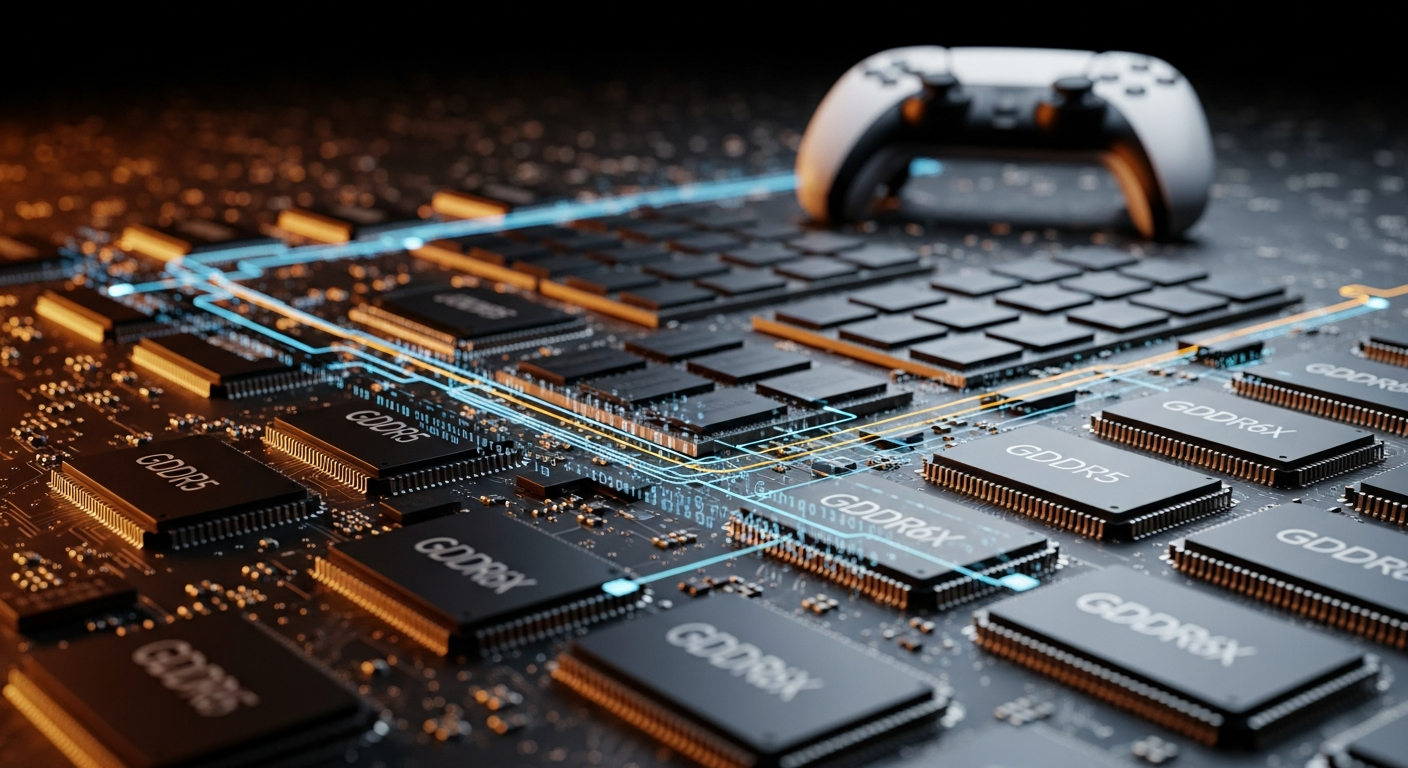
The global technology landscape is undergoing a significant shift, with a burgeoning demand for high-performance memory chips from AI data centres creating ripple effects across the consumer electronics industry. This crunch is now directly threatening the release schedules and pricing strategies for next-generation gaming consoles from industry titans Sony and Nintendo, potentially delaying new PlayStation iterations and increasing the cost of the eagerly anticipated Switch 2.
Key Takeaways:
-
AI data centres are monopolising RAM supply, driving up costs and creating shortages.
-
Sony may delay the PlayStation 5 successor (PS6) until 2028 or even 2029, a notable departure from its historical console release cycle.
-
Nintendo is reportedly considering a price increase for its upcoming Switch 2 console, potentially exceeding $450 (approx. ₹37,500).
-
The semiconductor supply chain, still recovering from previous disruptions, faces new challenges from escalating AI demands.
-
These delays and price adjustments could redefine consumer expectations and market strategies for the gaming industry.
Main Analysis
The New Tech Cold War: AI vs. Gaming Consoles
The digital realm is witnessing an unprecedented surge in demand for Artificial Intelligence capabilities, powering everything from advanced language models to complex data analytics. At the heart of this revolution are high-bandwidth memory (HBM) chips and standard DRAM, critical components for AI data centres to process vast amounts of information swiftly. This voracious appetite for memory is now creating a significant supply bottleneck, diverting crucial chip production away from other industries, most notably the lucrative gaming console market. As AI infrastructure investments scale globally, the competition for these essential chips intensifies, pushing up manufacturing costs and extending lead times for consumer electronics manufacturers.
Sony's Strategic Pause: A Longer PS5 Reign?
For decades, Sony has maintained a predictable cadence for its PlayStation console releases, typically launching a new generation every six to seven years since the original debuted in 1994. The PlayStation 5, released in late 2020, would conventionally see a successor around 2026-2027. However, current industry intelligence, cited by Bloomberg, suggests that the next PlayStation could be pushed back significantly, potentially to 2028 or even 2029. This potential delay of up to three years represents a considerable divergence from Sony's established strategy.
A delayed PlayStation 6 would necessitate a prolonged lifecycle for the PS5, requiring Sony to maintain developer interest and consumer engagement over a longer period. This could manifest in enhanced PS5 Pro models, more robust software support, and perhaps a greater focus on digital distribution and subscription services to bridge the gap. While a longer generation might seem beneficial for existing PS5 owners, it raises questions about the pace of technological advancement in gaming and developer roadmaps, which are often structured around new console capabilities. For a market like India, where console adoption is steadily growing, a prolonged generation could offer more time for the PS5 to penetrate further, but also test the patience of early adopters eager for the next leap.
Nintendo's Price Conundrum: The Switch 2's Entry Point
Meanwhile, Nintendo faces a different but related challenge with its highly anticipated Switch 2. While not a direct successor in the raw power race like PlayStation or Xbox, the Switch family has consistently redefined portable and hybrid gaming. With a reported price tag of $450 (approximately ₹37,500 based on current exchange rates) already on the higher end for a Nintendo console, the memory shortage could force Nintendo to increase this price further.
A higher price point for the Switch 2 could impact its initial market adoption, especially in price-sensitive regions such as India, where affordability often dictates purchasing decisions. Nintendo's success has frequently stemmed from its unique gameplay experiences and accessibility, often at a more palatable price than competitors. An elevated price could alienate a segment of its target audience or force consumers to reconsider their spending, potentially dampening sales momentum at launch. The company will have to carefully weigh the cost of components against consumer willingness to pay, a delicate balance in the competitive gaming hardware market.
The Broader Ripple Effect and Future Implications
The implications of this memory crunch extend beyond just Sony and Nintendo. The entire semiconductor industry is navigating a complex landscape where geopolitical tensions, supply chain vulnerabilities, and rapidly evolving technological demands intersect. The AI boom, while transformative, is exerting immense pressure on chip manufacturers to ramp up production of specific, high-margin components, potentially at the expense of general-purpose memory chips used in a wider array of consumer electronics.
This situation underscores a fundamental shift in the global tech supply chain. Companies traditionally reliant on predictable component availability are now contending with a new primary competitor: the burgeoning AI industry itself. Console manufacturers may need to explore deeper strategic partnerships with memory suppliers, invest in more diversified sourcing strategies, or even consider vertical integration in the long term to secure critical components. The era of easy access to cutting-edge components at stable prices may be coming to an end, heralding a new phase of strategic resource management in tech.
Public Sentiment
"It's frustrating to hear about more delays," remarked Rohan Sharma, a gaming enthusiast from Bengaluru. "The PS5 is great, but three more years until the next one? That's a long wait." Across online forums, similar sentiments are echoed, with many expressing understanding but also impatience. "I get that AI needs chips, but gaming consoles also need them!" posted a user on Reddit. Regarding the Switch 2, Priyanka Reddy, a student from Hyderabad, noted, "If the Switch 2 is going to be even more expensive, it makes it harder to justify buying it, especially when games are also pricey." The general sentiment indicates a mix of resignation to global tech realities and a simmering concern over how these macro trends directly impact their access to entertainment technology.
Conclusion
The unfolding memory chip shortage, driven predominantly by the escalating demands of AI data centres, presents an existential challenge for the gaming console industry. Sony's potential delay of the next PlayStation and Nintendo's considerations for a higher Switch 2 price are not isolated incidents but symptoms of a wider systemic pressure on global tech supply chains. As AI continues its rapid expansion, the competition for vital hardware components will only intensify. This era calls for unprecedented adaptability from console manufacturers, strategic rethinking of product lifecycles, and a renewed focus on value proposition to consumers. The gaming world, much like the broader tech landscape, is at a crossroads, where the relentless march of AI dictates the pace of innovation and accessibility for all.