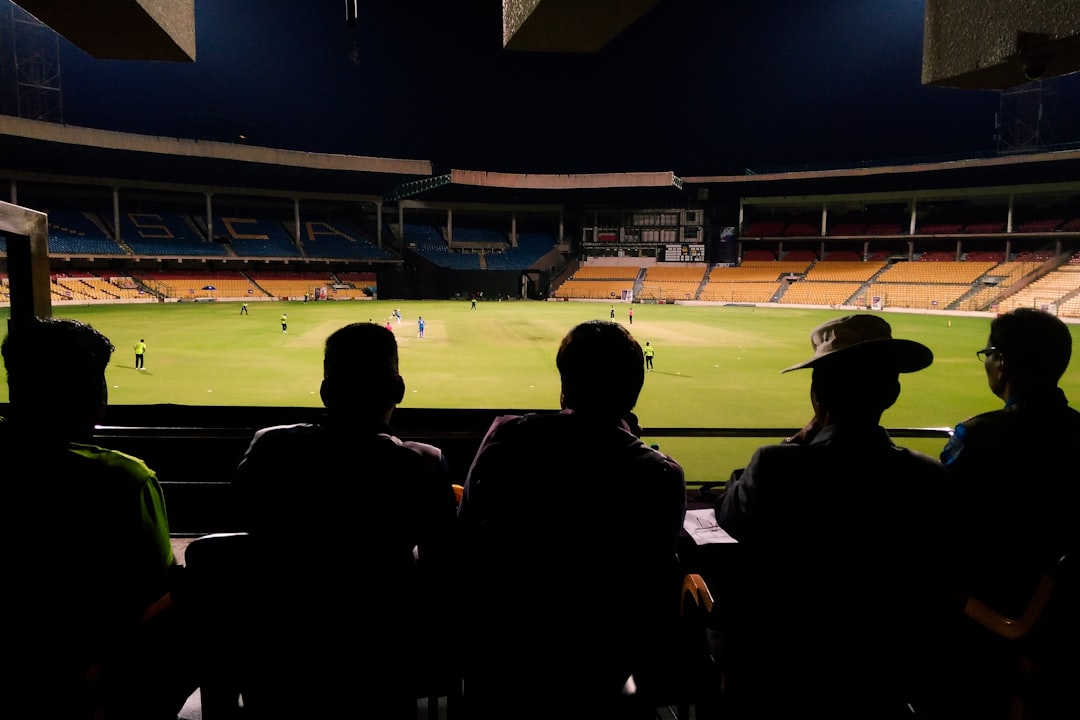
Host's Faltering Start: Nepal's Woes Under the Spotlight
The Tribhuvan University International Cricket Stadium, usually a bastion of hope for Nepali cricket, became the stage for a sobering reality check as the hosts succumbed to an eight-wicket defeat against a clinical Thailand side. Despite a promising start, reaching 52/1 in the powerplay, Nepal's innings unraveled dramatically, culminating in an all-out score of 122. Individual flashes of brilliance, such as Bindu Rawal's anchoring 44 off 56 balls and Sonu Khadka's aggressive 26 from 11 deliveries, were ultimately insufficient to build a formidable total. The inability to consolidate after strong starts, a recurring theme in emerging cricketing nations, proved costly. While Rubina Chhetry's late surge pushed them past 120, it masked the fundamental fragility that saw them lose nine wickets for 70 runs outside the powerplay. This opening performance, particularly on home soil, places immense psychological pressure on the squad and raises pertinent questions about their strategic depth and ability to handle high-stakes situations.
Thailand's Clinical Efficiency: A Blueprint for Progress
In stark contrast, Thailand delivered a performance that exuded control and tactical acumen. Their bowlers, led by the impressive Thipatcha Putthawong, who claimed an outstanding four-wicket haul, systematically dismantled Nepal's middle and lower order. This disciplined bowling effort set the stage for a professional chase. Natthakan Chantham's unbeaten 57 from 39 balls, a masterclass in calm accumulation, ensured there were no jitters. Supported by valuable contributions from Nannapat Koncharoenkai (32 off 25) and Aphisara Suwanchonrathi (28 runs), Thailand reached the target comfortably with 19 balls to spare. Their approach was less about flamboyant aggression and more about methodical execution – a testament to their growing experience on the international circuit. This win wasn't just a victory; it was a statement of intent, positioning Thailand as a strong contender with a well-drilled unit capable of performing under pressure.

The Dutch Defense and Emerging Challenges in Batting Standards
The narrative of challenging batting conditions and defensive victories continued in other fixtures. The Netherlands, after being bundled out for a mere 122 runs in 19 overs against Zimbabwe, successfully defended this modest total, restricting their opponents to 100/8 in 20 overs. While credit must be given to the Dutch bowlers for their resilience and strategic tightness, this match highlighted a broader concern: the struggle for consistent, high-scoring innings in the initial stages of the qualifier. Such low totals, even when defended, speak volumes about the pressure on batters and perhaps the gulf in class or experience. Emerging cricketing nations often excel in pockets but struggle with sustained performance across an entire innings, a critical aspect that separates qualifiers from established international teams. The ability to build partnerships and accelerate effectively, particularly in T20 cricket, remains a significant hurdle for many.
Bangladesh and Ireland: Expected Dominance, Questions Remain
Bangladesh and Ireland, considered stronger contenders in this tournament, secured relatively comfortable wins against the USA and Papua New Guinea (PNG) respectively. Bangladesh defended 158/5, fueled by Sharmin Akhter's 63, against a USA side that managed only 137/9. Similarly, Ireland posted 146/6, with vital contributions from Orla Prendergast (56) and Gaby Lewis (42), restricting PNG to 105/6. While these victories were anticipated, the margins, particularly for Bangladesh defending 158, suggest that even these more established sides are not entirely immune to the pressures of the qualifier. The real test for these teams will come when they face each other, or other strong units like Scotland, where their performances will be scrutinized more rigorously.
Looking Ahead: Pressure Cooker Continues
With a brief respite on Monday, the tournament plunges back into action with crucial fixtures on Tuesday. Nepal faces the formidable challenge of the Netherlands, a match that could either reignite their campaign or deepen their early tournament woes. Thailand will look to maintain their momentum against Zimbabwe, while Bangladesh and Ireland will seek to solidify their positions against PNG and the USA respectively. For every team, particularly those who stumbled in the opening round, every subsequent match becomes a high-stakes encounter. The pathway to the Women's T20 World Cup is unforgiving, and these initial results underscore that only the most resilient, strategically sound, and consistent teams will ultimately prevail. The tournament has just begun, but the critical observations from day one suggest a demanding and often unforgiving journey lies ahead for these aspiring nations.
Public Sentiment
"It's tough to watch Nepal struggle as hosts, there was so much hope but they just couldn't hold it together after a good start. The batting collapse was truly disappointing." "Teams defending 120-odd runs means either the bowling is exceptional or the batting needs a serious upgrade across the board. The quality isn't consistently there yet." "Thailand played smart cricket; they showed how to win matches clinically. Others need to learn from that focus and execution." "Every run matters in these qualifiers, but you need more than just one or two good individual scores. Consistency is key, and many teams are still searching for it."
Conclusion
The opening day of the ICC Women's T20 World Cup Qualifier has, despite delivering several results, offered a critical glimpse into the varied states of preparedness among the participating nations. While teams like Thailand displayed commendable professionalism, the struggles of others, most notably host Nepal's collapse and the prevalence of low-scoring affairs, highlight the substantial work required for many aspiring cricketing nations to consistently perform at an international standard. The road to the World Cup is paved with such challenging encounters, and only those who can rectify their early vulnerabilities and elevate their game will stand a chance of progression. The tournament, therefore, is not merely a contest of skill but a rigorous examination of temperament, strategy, and the true depth of women's cricket development.