
The hallowed turf of international cricket, often touted as a bastion of fair play and impartiality, finds itself under intense scrutiny once again. The spotlight has, perhaps unfairly, turned to a Bangladeshi umpire officiating a high-voltage One-Day International between cricketing giants India and New Zealand. While the specifics of the 'Mustafizur row' remain somewhat under wraps, its very mention in the context of this appointment is enough to send shivers down the spine of any ardent follower of the game, particularly those in the Indian subcontinent.
The Letter of the Law: A Question of Interpretation
According to ICC regulations, specifically Clause 2.1.4, the global body is tasked with appointing one umpire for each ODI who "must not be from the same country as the participating teams and must be from the Elite Panel or International Panel." This is, unequivocally, the 'neutral' umpire. Separately, Clause 2.1.5 dictates that "the home board shall appoint one umpire." The implication here, if the Bangladeshi official is indeed the neutral umpire, is that the ICC sees no conflict of interest in appointing an official from a country that shares a contentious cricketing history and, by extension, regional rivalries with one of the participating nations.
On paper, a Bangladeshi umpire is not Indian and not New Zealander, thus fulfilling the 'neutral' criterion. However, cricket, much like politics, is often less about the letter of the law and more about its spirit and, crucially, its perception. When a 'row' involving a prominent player from the umpire's home nation is still fresh in collective memory – a row that presumably inflamed regional sentiments – the decision to appoint an official from that very nation for a match involving a regional powerhouse like India feels, at best, tone-deaf and, at worst, deliberately provocative.

The Lingering Shadow of the 'Mustafizur Row'
The precise details of the 'Mustafizur row' are critical here. Was it a contentious decision against an Indian player involving Mustafizur Rahman? Was it a heated on-field altercation? Whatever its nature, the fact that it is invoked alongside an umpire's appointment suggests a history of friction that is anything but insignificant. In such an environment, the expectation is not just for technical neutrality, but for an umpire whose presence offers an unquestionable assurance of unbiased decision-making. A Bangladeshi umpire, no matter how seasoned or reputable, will inevitably carry the burden of this regional history onto the field.
Consider the immense pressure in an India-New Zealand encounter. Both teams are vying for supremacy, and every decision, especially the close calls, can have monumental consequences for match outcomes, series results, and even tournament standings. An umpire from a neighbouring country, particularly one with whom India has had recent cricketing disagreements, is inherently placed in an unenviable position. Every marginal call, every leg-before-wicket decision, every wide or no-ball, will be scrutinised not just on its merits but through the prism of national bias. This is an unfair burden on the official and an unnecessary distraction for the sport itself.
Perceived Impartiality: The Unwritten Rule
The ICC's mandate extends beyond simply ticking boxes. It is the custodian of the game's integrity. And integrity, fundamentally, rests on trust. When fans, players, and pundits begin to question the impartiality of officiating due to geopolitical or regional cricketing tensions, that trust erodes. This isn't about accusing an umpire of deliberate bias; it's about acknowledging the subtle, often unconscious, influences that can creep in, or at the very least, be perceived to creep in.
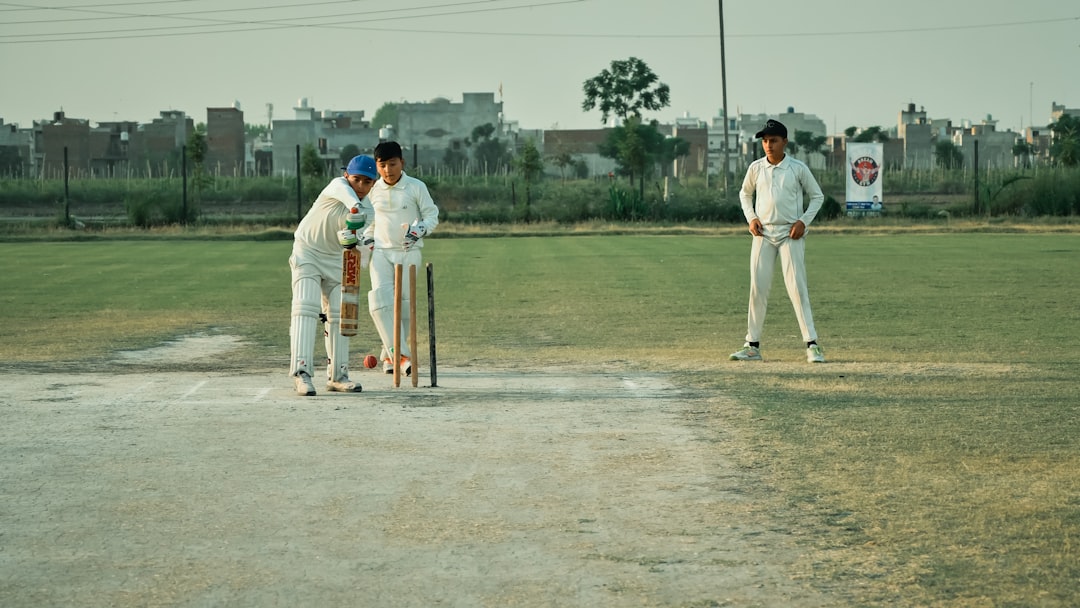
The appointment of officials should be a proactive step towards building confidence, not inadvertently undermining it. While the Elite Panel is designed to comprise the best and most neutral officials, the human element, especially in a sport steeped in emotion and national pride, cannot be entirely discounted. The ICC must demonstrate a greater sensitivity to the nuanced dynamics of cricketing rivalries, ensuring that appointments are not just technically sound but also psychologically reassuring to all stakeholders.
Public Sentiment: A Rising Tide of Concern
The chatter across social media and fan forums has been predictably animated. "It just doesn't sit right," remarked one fan on X (formerly Twitter). "After the controversies we've seen, you'd expect the ICC to be extra careful with these appointments. It feels like they're inviting trouble." Another added, "Why risk it? There are so many neutral umpires available. This just fuels suspicion, whether it's warranted or not." The sentiment is clear: while no direct accusation of foul play is being made, the choice itself is perceived as questionable, eroding the sanctity of the game.
Conclusion: A Call for Prudent Appointments
The ICC's commitment to global cricket relies heavily on its ability to uphold the highest standards of impartiality and transparency. While adherence to rules is paramount, a pragmatic understanding of regional cricketing sentiments is equally vital. The appointment of a Bangladeshi umpire in an IND vs NZ ODI, particularly when the 'Mustafizur row' looms large, serves as a stark reminder that the letter of the law, however meticulously drafted, can sometimes fall short of addressing the spirit of fair play. The onus is now on the ICC to either clarify its rationale more robustly or, better yet, review its appointment protocols to ensure that such perceived conflicts of interest are proactively avoided, safeguarding the game's pristine image for future generations.