
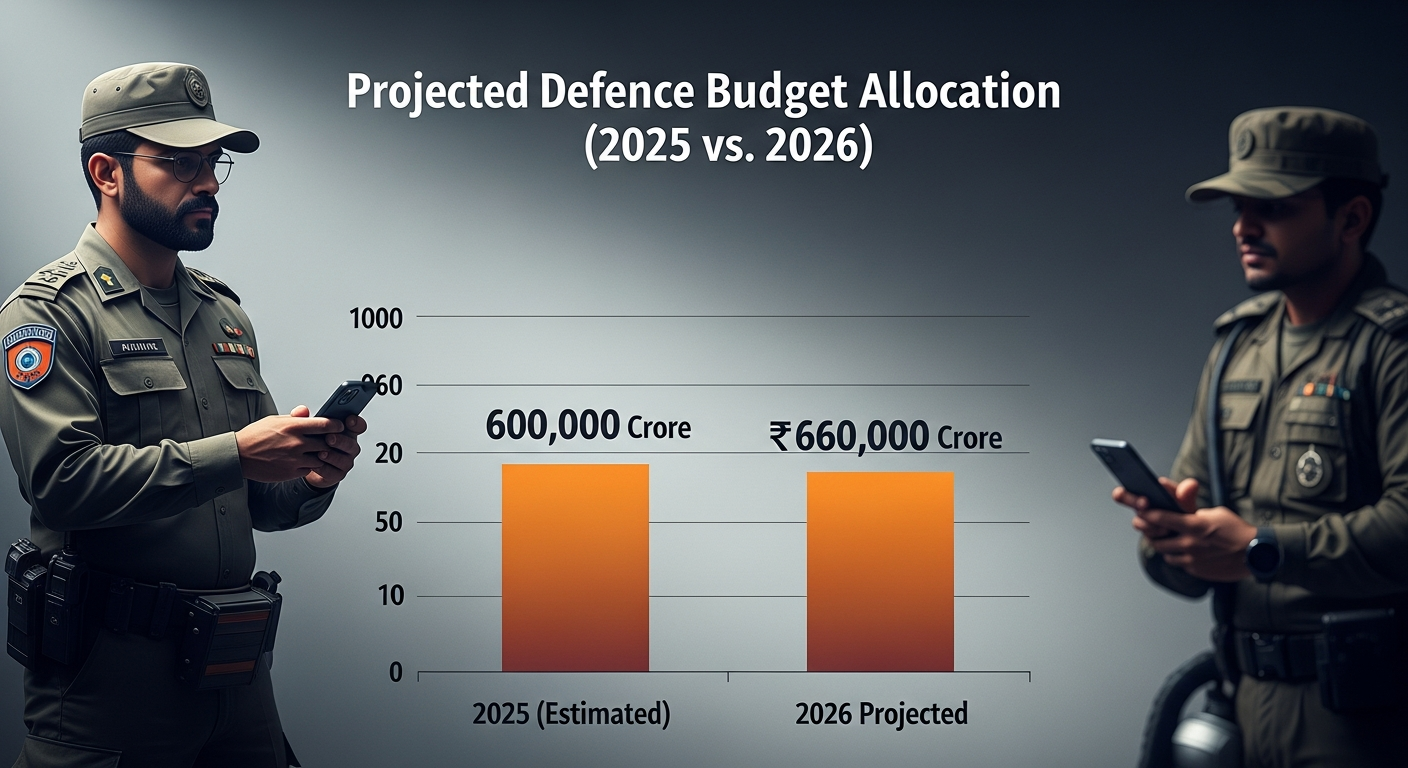
The drumbeat of economic anticipation is growing louder as India approaches its Union Budget 2026. For the defence sector, the signals are unequivocally clear: a significant financial injection is on the horizon. Expert projections anticipate at least a 10 per cent increase in defence allocation, a figure that, if realized, will cement the government's steadfast commitment to enhancing national security and fostering self-reliance in military capabilities.
Key Takeaways:
-
Projected 10% Increase: Defence spending is expected to see a significant uplift in the Union Budget 2026.
-
Unprecedented Procurement Approvals: The Defence Acquisition Council (DAC) has sanctioned projects worth Rs 2.5-3 lakh crore in the last two financial years, a massive jump from previous periods.
-
Modernization Focus: Key areas for investment include unmanned aerial vehicles (UAVs), advanced missile systems, and other strategic defense projects.
-
Sustainable Budgetary Support: The government is signaling a long-term commitment to consistent funding for defense modernization.
-
Industrial Boost: Domestic defense manufacturers, technology firms, and related ancillary industries stand to benefit substantially from this sustained expenditure.
The Budgetary Horizon: A Decade of Commitment?
"We expect at least a 10 per cent increase in defence allocation this year," noted a prominent industry analyst, highlighting a broader trend of growing commitment to the sector. This isn't merely a year-on-year adjustment; it's perceived as part of a strategic long-term vision. The allocation increase is critical for a nation navigating complex geopolitical landscapes, aiming to bolster its deterrence capabilities and ensure technological superiority.
For years, the debate around defence budgets has often centered on allocation versus absorption. However, the current indicators suggest a proactive approach, with the budgetary support designed to meet concrete, pre-approved modernization requirements. This shift from incremental increases to a more substantial, planned escalation underscores a strategic pivot towards a robust and technologically advanced military.
From Approvals to Allocations: Decoding the DAC's Mandate
The most compelling evidence of this burgeoning commitment comes from the Defence Acquisition Council (DAC). According to Anwani, a respected defence sector observer, DAC approvals in the last two financial years have soared to an astonishing Rs 2.5 lakh crore to Rs 3 lakh crore. This figure dwarfs the mere Rs 40-50 crore approved just two years prior, representing an exponential leap in planned procurement and investment.
This dramatic surge in approvals isn't just about spending more; it's about spending strategically. These sanctions cover a comprehensive spectrum of modern warfare needs, indicating a clear roadmap for capability enhancement. The gap between approval and allocation is where the budget plays its crucial role, transforming these strategic intentions into tangible assets for the armed forces.
Modernization Imperatives: Strategic Technologies in Focus
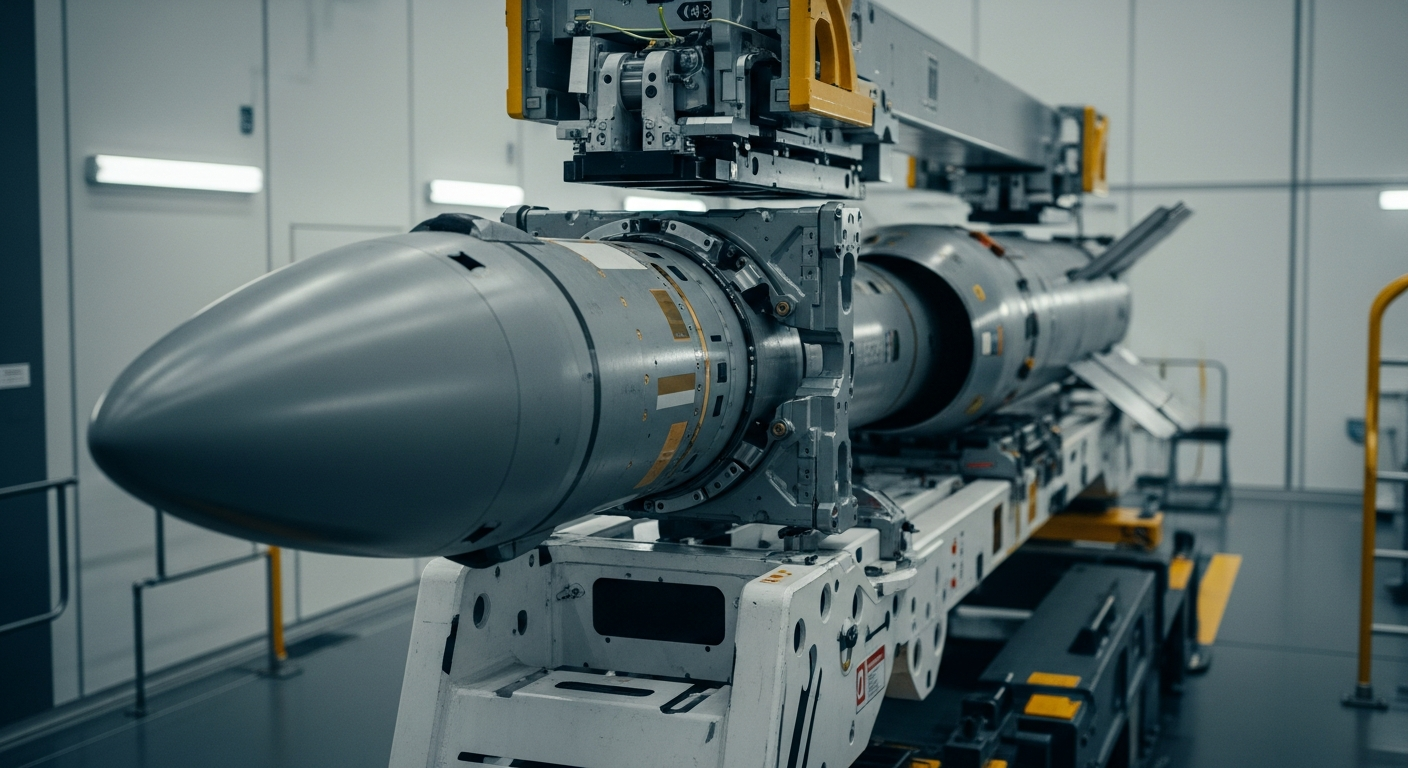
The types of platforms receiving DAC approvals paint a vivid picture of India's future defence strategy. "These approvals cover a wide range of platforms, including unmanned aerial vehicles, missile systems, and other strategic projects," he explained. This focus on cutting-edge technologies reflects a global trend towards networked warfare, precision strike capabilities, and autonomous systems.
Unmanned aerial vehicles (UAVs) are revolutionizing surveillance, reconnaissance, and even combat operations. Investment in these systems ensures India remains at the forefront of aerial warfare capabilities. Similarly, advanced missile systems – both offensive and defensive – are critical components of any modern military, providing deterrence and precision strike options. Beyond these, the 'strategic projects' umbrella likely includes investments in cyber warfare, space-based assets, and artificial intelligence, all vital for securing a nation's interests in the 21st century.
Economic Ripples: Who Stands to Gain?
The significant increase in defence spending is not just a military matter; it's a powerful economic catalyst. "This shows that the government is likely to provide sustainable budget support to meet modernisation requirements," implying a steady stream of contracts and opportunities for the industrial base. The 'Make in India' initiative within the defence sector is expected to gain significant momentum.
Key beneficiaries will include:
-
Aerospace and Defence Manufacturing: Companies specializing in aircraft components, missile fabrication, and drone technology will see increased orders.
-
Electronics and IT: Firms involved in radar systems, communication equipment, cyber security solutions, and embedded software for defence platforms.
-
Heavy Engineering: Industries providing components for naval vessels, armored vehicles, and large-scale infrastructure projects for military bases.
-
Research & Development: Institutions and private players pushing the boundaries of defence technology, from advanced materials to AI algorithms.
The emphasis on domestic procurement means that these investments will circulate within the national economy, fostering job creation, skill development, and technological self-reliance. This sustained budgetary push is designed to transform India from a major defence importer to a significant defence manufacturer and exporter.
Public Sentiment: Cautious Optimism from Industry
Within India's defence industrial complex, the prevailing sentiment is one of cautious optimism. Industry leaders, long advocating for sustained and predictable budget allocations, view the projected 10% increase and the soaring DAC approvals as strong indicators of a supportive policy environment. "This is the momentum we've been waiting for," one CEO was quoted as saying in a private briefing, reflecting a broad consensus that stability in funding allows for better long-term planning, investment in R&D, and expansion of manufacturing capabilities. Analysts widely interpret these moves as a strategic pivot by the government, signaling a readiness to back its 'Atmanirbhar Bharat' (Self-Reliant India) vision for defence with substantial financial commitment. The expectation is that this robust support will not only enhance national security but also significantly boost the indigenous defence ecosystem, generating employment and fostering technological advancements across multiple sectors.
Conclusion
Union Budget 2026 promises to be a watershed moment for India's defence sector. The projected 10 per cent increase in allocation, coupled with an unprecedented volume of procurement approvals, underscores a clear and sustained commitment to modernization. This isn't just about military might; it's about strategic foresight, economic empowerment, and positioning India as a formidable player on the global stage, both militarily and industrially. The ripples of this budgetary decision will extend far beyond the armed forces, catalyzing growth, innovation, and self-reliance across critical sectors of the economy for years to come.