Key Takeaways
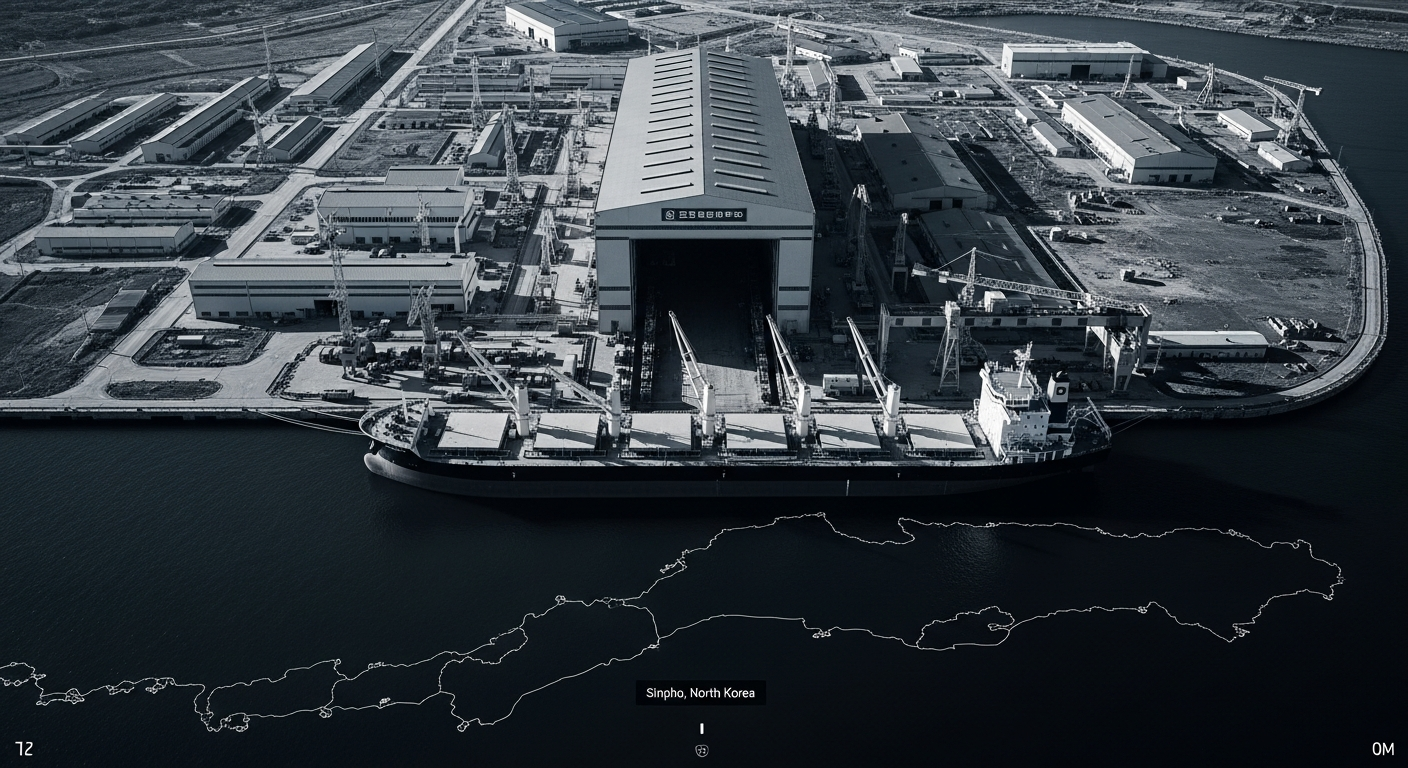
- Unprecedented Activity: A large cargo ship, 98-100 meters long, was observed docked at North Korea's Sinpho submarine factory.
-
Project Advancement: This activity is interpreted as a strong indicator that North Korea's nuclear-powered missile submarine construction project is transitioning into a new, potentially advanced stage.
-
Satellite Intelligence: The development was identified through detailed analysis of high-resolution commercial satellite imagery from Planet Labs and Maxar.
-
Strategic Implications: A completed nuclear-powered submarine would significantly enhance North Korea's second-strike capabilities and complicate regional defense strategies.
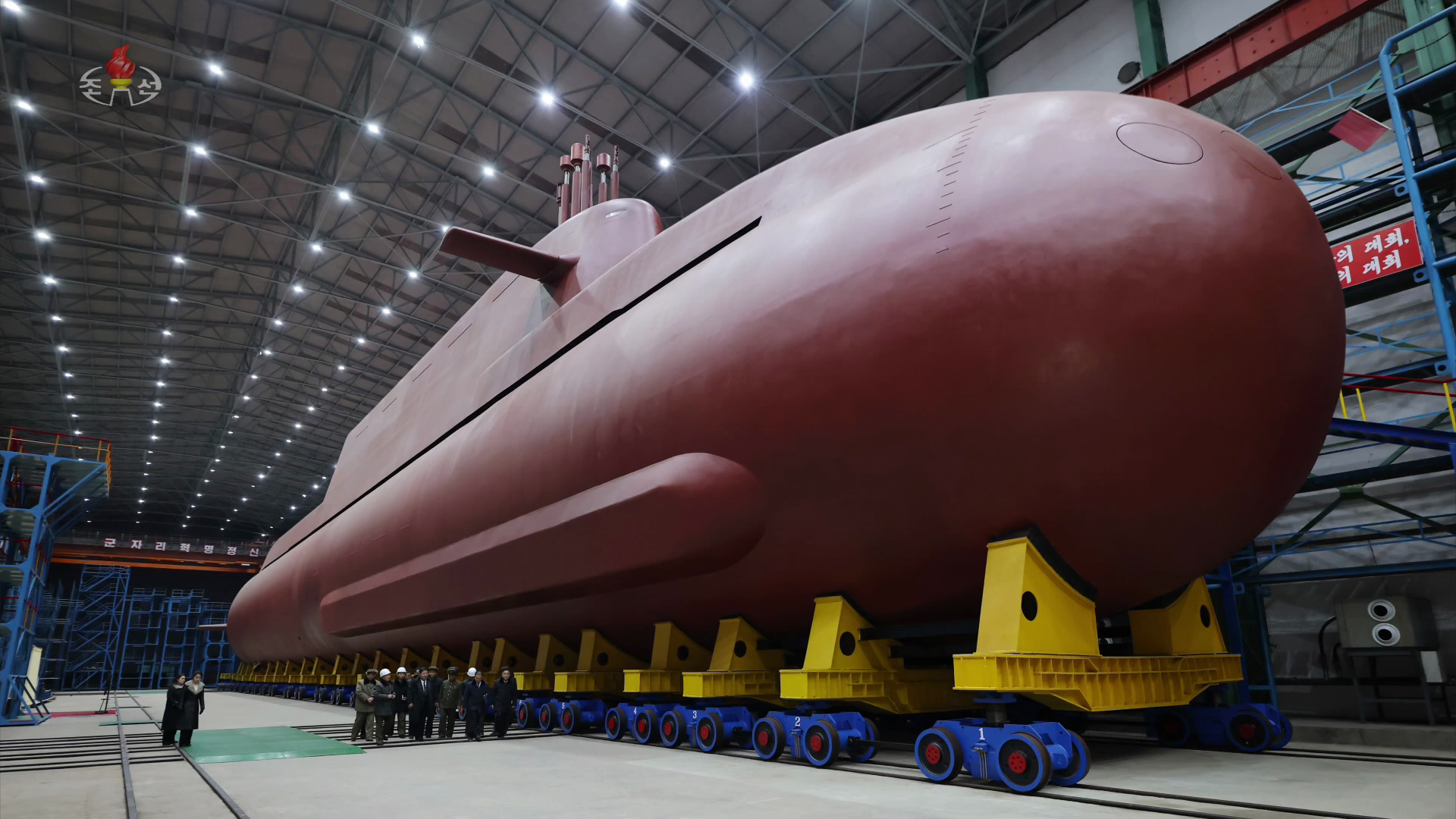
The secretive shipbuilding yards of Sinpho, North Korea, are once again drawing intense international scrutiny following the detection of a large cargo ship directly in front of the construction hall housing Pyongyang’s reported nuclear-powered missile submarine. Analysis of recent satellite imagery suggests this unexpected development could herald a significant new phase in Kim Jong Un's ambitious naval modernization program, amplifying concerns over regional stability and nuclear proliferation.
The Sinpho Development: A New Chapter?
Commercial satellite imagery, meticulously analyzed by NK Pro, first captured the bulk cargo ship – estimated to be between 98 to 100 meters long and 16 meters wide – arriving outside the Pongdae Submarine Factory in Sinpho between February 13 and 14. Subsequent high-resolution images from Maxar on February 15 and 18 confirmed the vessel docked at the slipway, positioned directly in front of the building believed to house the submarine under construction.
While the exact nature of the ship’s cargo or its specific role remains unconfirmed, its size and strategic placement strongly imply a substantial operational purpose. Experts suggest it could be transporting large components for the submarine, assisting in the vessel’s launch preparation, or even serving as a platform for specialized equipment related to outfitting or testing. This marks the first recorded instance of such a large vessel appearing at this precise location, signaling a departure from previous construction patterns observed at the site. The facility has long been identified as the primary hub for North Korea's submarine development, including previous experimental ballistic missile submarine prototypes. [FEATURED]
Strategic Imperatives: Why a Nuclear Submarine?
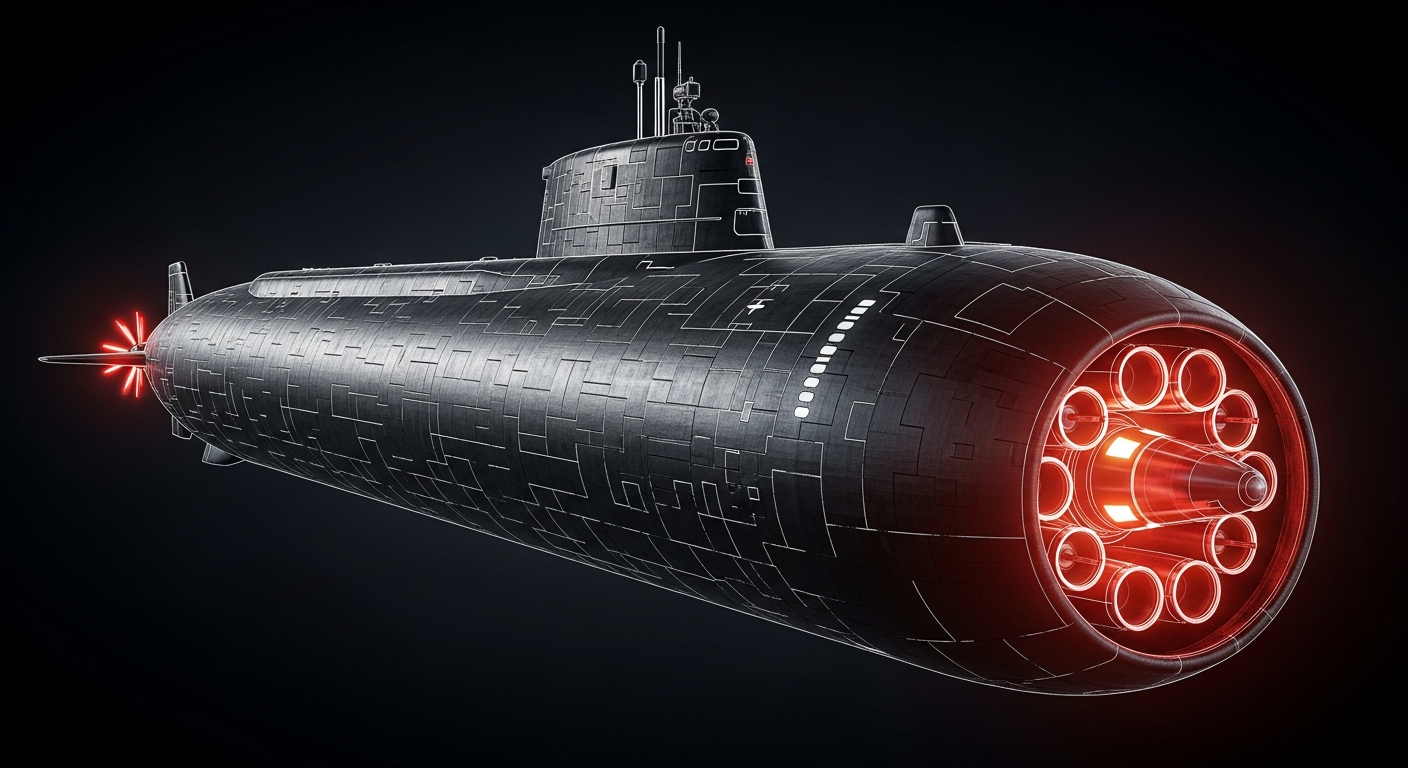
North Korea’s pursuit of a nuclear-powered submarine is a clear strategic imperative aimed at enhancing its deterrence posture. Unlike conventional diesel-electric submarines, a nuclear-powered vessel offers extended range, greater stealth capabilities due to not needing to surface or snorkel for air, and significantly prolonged underwater endurance. This would allow Pyongyang to deploy its ballistic missile assets much further from its coast, complicating detection and defense efforts for adversaries like South Korea, Japan, and the United States.
A nuclear submarine equipped with ballistic missiles (SSBN) would provide North Korea with a credible second-strike capability, ensuring that even if its land-based nuclear assets were neutralized, it could still retaliate. This potential shift from a primarily land-based nuclear deterrent to a more diversified, sea-based one represents a substantial leap in military sophistication and strategic reach.
Regional Repercussions and Global Concerns
The potential advancement of North Korea's nuclear submarine program will undoubtedly escalate tensions in Northeast Asia. South Korea and Japan, both within range of potential submarine-launched missiles, are likely to view this development with profound concern, potentially accelerating their own defensive measures and alliances. The United States, committed to regional security, will face increased challenges in monitoring and countering a more mobile and clandestine North Korean nuclear threat.
Globally, the project raises serious non-proliferation questions. Should North Korea successfully deploy such a vessel, it would represent a significant breach of international arms control norms and could inspire other nations to pursue similar capabilities, leading to further regional arms races. The international community, led by the UN Security Council, will likely intensify calls for North Korea to cease its illicit weapons programs and return to denuclearization talks, though Pyongyang has shown little inclination to do so recently.
Public Sentiment
“This isn't just about another weapon; it's about North Korea moving towards a truly global projection of power, however nascent. The implications for international shipping lanes and regional defense architectures are immense,” remarked a former UN disarmament expert. An analyst from Seoul added, “We've always monitored their land-based threats, but a sea-based nuclear capability introduces a whole new layer of complexity to our defensive planning and intelligence gathering.” Meanwhile, a security commentator in Washington highlighted, “The appearance of that cargo ship signifies a practical step forward. It's less about the 'if' and more about the 'when' for their nuclear submarine.”
Conclusion
The appearance of a large cargo ship at Sinpho's submarine factory is a critical indicator of North Korea's persistent and advancing efforts to develop a nuclear-powered missile submarine. While challenges in propulsion, miniaturization, and missile integration remain, the satellite imagery suggests the project is progressing deliberately. The international community will be closely watching Sinpho for further signs, as the successful deployment of such a vessel by North Korea would fundamentally alter the geopolitical calculus of Northeast Asia and beyond, demanding a robust and coordinated diplomatic and security response.