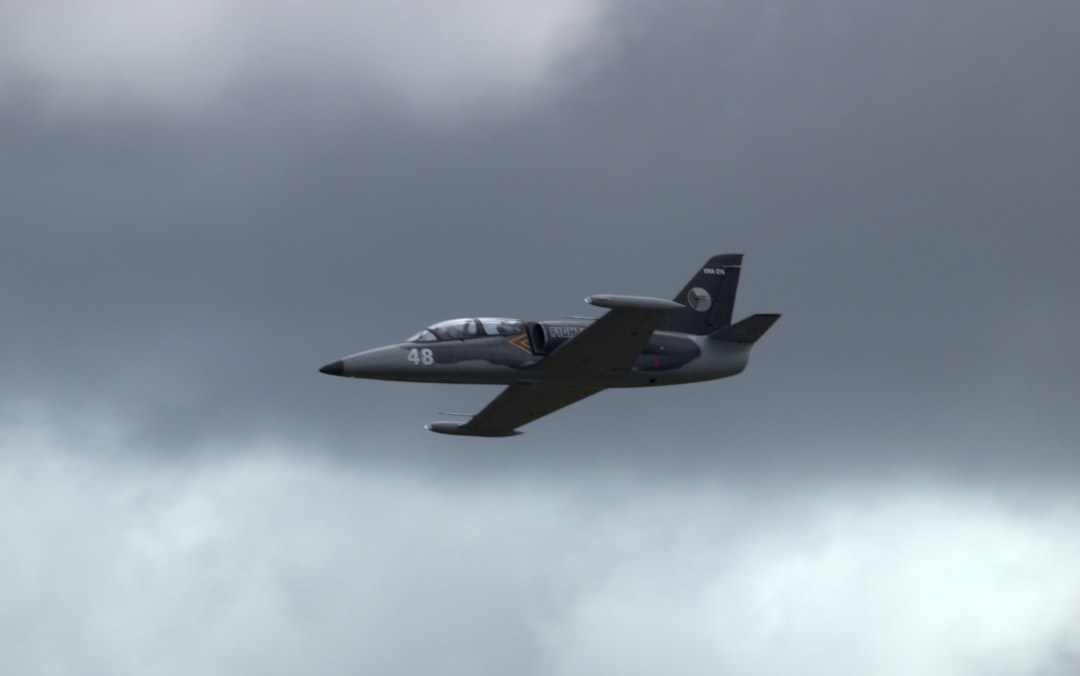
Pakistan's JF-17 Thunder, a lightweight, single-engine, multi-role combat aircraft developed jointly with China, has long been a centerpiece of Islamabad's defence narrative. Officials frequently champion the jet as a cost-effective, capable alternative to Western or Russian offerings, highlighting its potential for export success. Yet, beneath the surface of politically charged statements and optimistic press releases, an investigative lens reveals a pattern of ambition often outpacing actual achievement in the notoriously competitive global defence market.
Key Takeaways
-
Rhetoric vs. Reality: Pakistan's public statements on JF-17 exports frequently allude to numerous 'discussions' and 'expressions of interest' that lack conversion into concrete contracts.
-
Competitive Landscape: The global fighter jet market is dominated by established players and complex geopolitical factors, making entry difficult for new or less proven platforms.
-
Economic Barriers: Potential buyers, particularly developing nations, face significant financial hurdles in acquiring and maintaining advanced fighter jets, often prioritising proven platforms with robust logistical support.
-
Geopolitical Nuances: China's role in the JF-17 project and its broader regional influence introduce layers of complexity to potential deals.
The Illusion of Imminent Deals
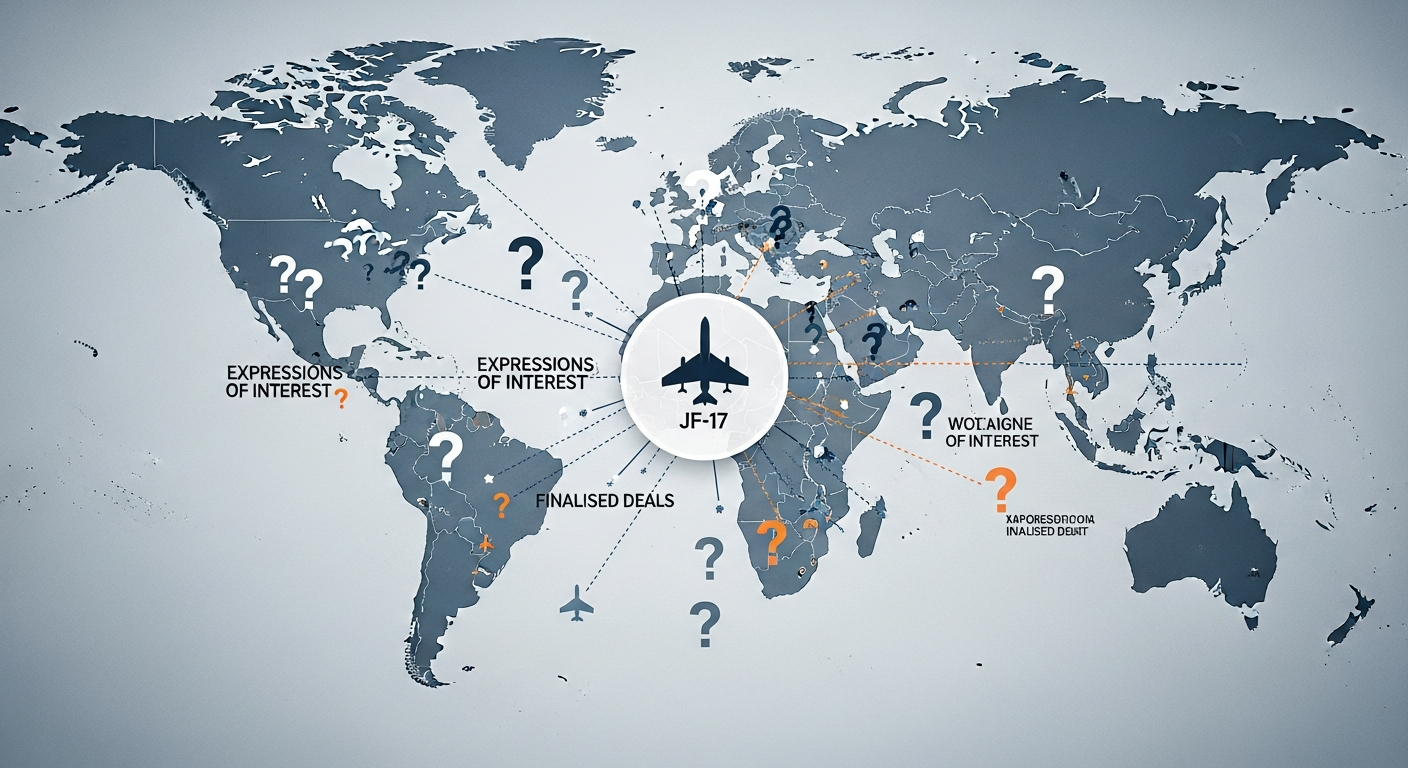
For years, Pakistan has been vocal about potential JF-17 sales to a variety of nations, including several in Africa, the Middle East, and Southeast Asia. These announcements often generate headlines but rarely lead to subsequent news of signed contracts or delivered aircraft. The pattern suggests a strategic use of 'expressions of interest' to project an image of military-industrial prowess and diplomatic influence, rather than a reflection of solidified market penetration.
Defence analysts note that such preliminary discussions are a common feature of the arms trade and are far from guarantees. Nations routinely engage with multiple vendors to explore options, assess capabilities, and negotiate pricing, often without any intention of immediate purchase. The crucial step – the signing of an agreement – appears to be where Pakistan's JF-17 ambitions frequently falter.
Navigating a Crowded Market
The global fighter jet market is not for the faint of heart. It is dominated by giants like the United States (F-16, F-35), Russia (Su-30, MiG-29), France (Rafale), and Sweden (Gripen), all offering battle-tested platforms with extensive support networks, established supply chains, and advanced technological capabilities. For the JF-17, breaking into this fiercely competitive environment requires more than just a competitive price point; it demands a track record of combat effectiveness, comprehensive after-sales support, and robust upgrade pathways – areas where newer platforms often struggle to compete with legacy systems.
Furthermore, potential buyers often weigh geopolitical implications. Acquiring military hardware can signify strategic alignments, and nations must consider the maintenance requirements, spare parts availability, and potential political strings attached to such large-scale procurements. The JF-17's joint development with China, while offering certain advantages, also ties its future to Beijing's influence, which can be a double-edged sword for some prospective clients.
Public Sentiment: A Mix of Pride and Pragmatism
Within Pakistan, the JF-17 generates immense national pride, seen as a symbol of indigenous defence capabilities and a counter to regional adversaries. However, a nuanced view emerges among informed observers:
-
"While it's important to celebrate our capabilities, the constant hype about deals that don't materialise can be counterproductive. It sets unrealistic expectations." – Defence Analyst, Islamabad
-
"The JF-17 is a good aircraft for its price, but the global market demands more than just cost-effectiveness. Buyers look for proven performance and a guaranteed support ecosystem that we are still building." – Retired Air Marshal, Lahore
-
"These announcements often feel like political posturing for domestic consumption rather than serious export strategy. Real deals are quiet until they're signed." – Foreign Policy Commentator, Karachi
Regionally, particularly in India, these claims are often met with skepticism, viewed through the prism of strategic competition and an understanding of the complexities of defence procurement.
Conclusion
The narrative surrounding Pakistan's JF-17 exports serves as a compelling case study in the intersection of national aspiration, economic realities, and the cutthroat nature of the global arms trade. While the JF-17 undoubtedly represents a significant achievement for Pakistan's defence industry, the persistent gap between enthusiastic public statements and confirmed, finalised agreements suggests a need for a more pragmatic assessment of its international market standing. True success in defence exports is built on solid contracts, not just promising conversations, and until these materialize, the JF-17's global ambitions may continue to fly largely on rhetoric.