Nvidia's Investment Riddle: Huang Denies Discord, Reimagines 'Huge' OpenAI Bet
Key Takeaways:
-
Jensen Huang denies any "unhappiness" with OpenAI, affirming his belief in their work.
-
The rumored $100 billion investment figure is explicitly dismissed as "nonsense."
-
Nvidia still plans a "huge investment," implying a significant but undefined sum, likely far less than the initial speculation.
-
The clarification likely aims to manage market expectations and perhaps reassert Nvidia's strategic independence within the AI ecosystem.
-
This recalibration could impact OpenAI's valuation narratives and its broader investor relations.
The $100 Billion Mirage and the "Huge" Reality
For weeks, the tech world buzzed with the specter of a monumental $100 billion investment from Nvidia into OpenAI, a figure that, if realized, would represent an unprecedented bet on a single AI entity. Such a sum would not only cement OpenAI’s valuation at astronomical levels but also deepen Nvidia’s already formidable strategic ties, potentially binding its fortunes even more closely to a singular player in the rapidly evolving AI landscape. Huang's recent remarks, delivered with characteristic bluntness in Taipei, have effectively dispelled this particular mirage. While his denial of "unhappiness" was firm, his swift dismissal of the $100 billion figure – "No, nothing like that" – was equally decisive. This leaves us with a critical question: what constitutes a "huge" investment in the eyes of the market, now that the colossal benchmark has been removed?
This isn't merely semantics; it's a strategic repositioning. A "huge" investment, whether it's $1 billion, $10 billion, or even $50 billion, is still substantial. However, the psychological difference between "up to $100 billion" and an unspecified "huge" sum is immense. It suggests Nvidia is committed but not singularly tethered, maintaining flexibility in its broader AI strategy, which includes partnerships across the entire spectrum of AI development, from startups to hyperscalers like Microsoft and Google, who are also keen to reduce their reliance on any single hardware provider.
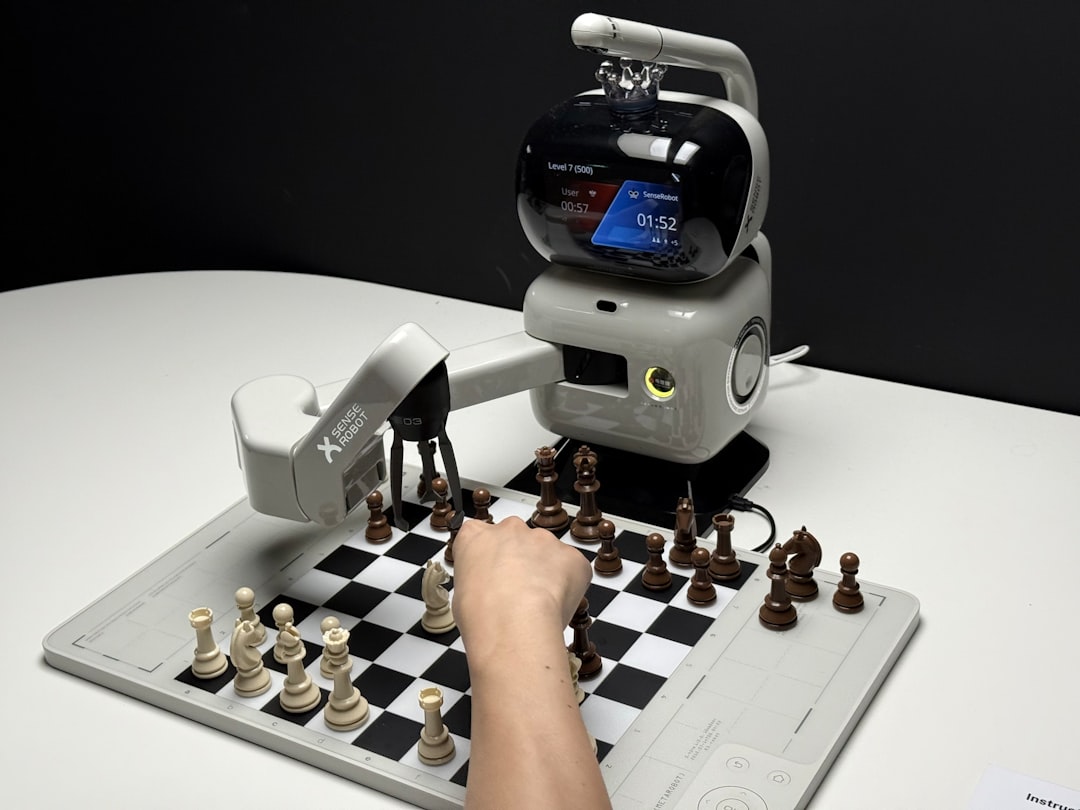
Huang's Strategic Chess Match
Jensen Huang is a master of market communication, often combining visionary pronouncements with shrewd business maneuvers. His denial of discord with OpenAI while simultaneously correcting the investment narrative is a textbook example of managing expectations and protecting strategic optionality. Why would Nvidia, a company whose processors are the bedrock of the AI revolution, limit its exposure by pouring an extreme sum into one foundation model developer? While OpenAI is undeniably a pioneer, the generative AI market is diversifying at an astonishing pace. Startups are emerging daily, and established tech giants are heavily investing in their own LLM capabilities.
Nvidia’s primary business is selling GPUs to everyone. Over-investing in one player, particularly one with significant backing from Microsoft, could risk alienating other crucial partners and customers. Huang's message can be interpreted as a strategic recalibration: Nvidia will absolutely support OpenAI – they are, after all, a massive customer – but its expansive capital commitments must serve a broader ecosystem strategy. This move ensures Nvidia remains a neutral, indispensable partner to all, rather than a partial owner of one. It’s a sophisticated play to maintain market dominance without stifling competitive innovation that also drives GPU demand.
OpenAI's Evolving Narrative
For OpenAI, Huang's clarification presents a nuanced challenge. The initial $100 billion rumor undoubtedly inflated perceptions of their financial runway and market valuation. While still poised for substantial investment from Nvidia, the absence of such a gargantuan sum might temper some of the more exuberant valuations circulating in the private markets.
OpenAI is already navigating complex internal governance dynamics, significant competitive pressure, and the immense task of monetizing its groundbreaking technology. A clearer, albeit smaller, investment commitment from Nvidia could lead to more grounded discussions about its long-term financial strategy and its independence, especially concerning its dominant partner, Microsoft.
The Broader AI Investment Climate: Reality Check
The tech world has been awash in hyper-inflated valuations and speculative investments in AI. The $100 billion OpenAI rumor, however briefly it persisted, was a symptom of this feverish climate. Huang’s statement serves as a subtle, yet potent, reality check. While investment in AI remains robust, and the technology’s potential is undeniable, even the industry's titans are exercising caution and strategic discernment when it comes to capital deployment. It reminds us that "huge" can mean different things, and that even in the most promising sectors, investment isn't always boundless.
Public Sentiment
"It’s a classic Huang move – praise the technology, affirm the partnership, but always keep Nvidia's broader interests paramount. He's selling shovels to everyone in the gold rush." – Industry Analyst, speaking anonymously.
"This isn't a sign of weakness, but a sign of maturity in AI investments. $100 billion into one company, no matter how groundbreaking, felt unsustainable for a hardware supplier." – Tech VC.
"OpenAI still has incredible momentum, but this clarifies that Nvidia isn't putting all its eggs in one basket. Smart play for both sides, ultimately." – Market Commentator.
Conclusion
Jensen Huang’s denial of discord with OpenAI, coupled with his definitive pullback on the $100 billion investment figure, is more than just a news update; it’s a strategic manifesto. It underscores Nvidia’s commitment to being the enabling force behind the entire AI revolution, not just a financial backer of a single star player. For OpenAI, it means a continued, significant partnership, but also a renewed focus on its own diversified funding and strategic autonomy. The "huge" investment will undoubtedly materialize, but its true magnitude will likely reflect a more balanced, industrial approach to ecosystem development, ensuring that while the AI gold rush continues, Nvidia remains the undisputed provider of the most essential shovels.