Key Takeaways
-
The Instax Mini Link+ carries a 70% price increase over its predecessor.
-
The flagship "Design Print" mode fails to deliver on promises of crisp text and illustrations.
-
Under-the-hood processing improvements subtly enhance contrast, color, and sharpness.
-
The device remains a niche accessory, struggling to justify its premium cost in a competitive market.
-
Fujifilm's marketing strategy appears misaligned with the actual product improvements.
The Cost of Incrementalism: A Disappointing Debut
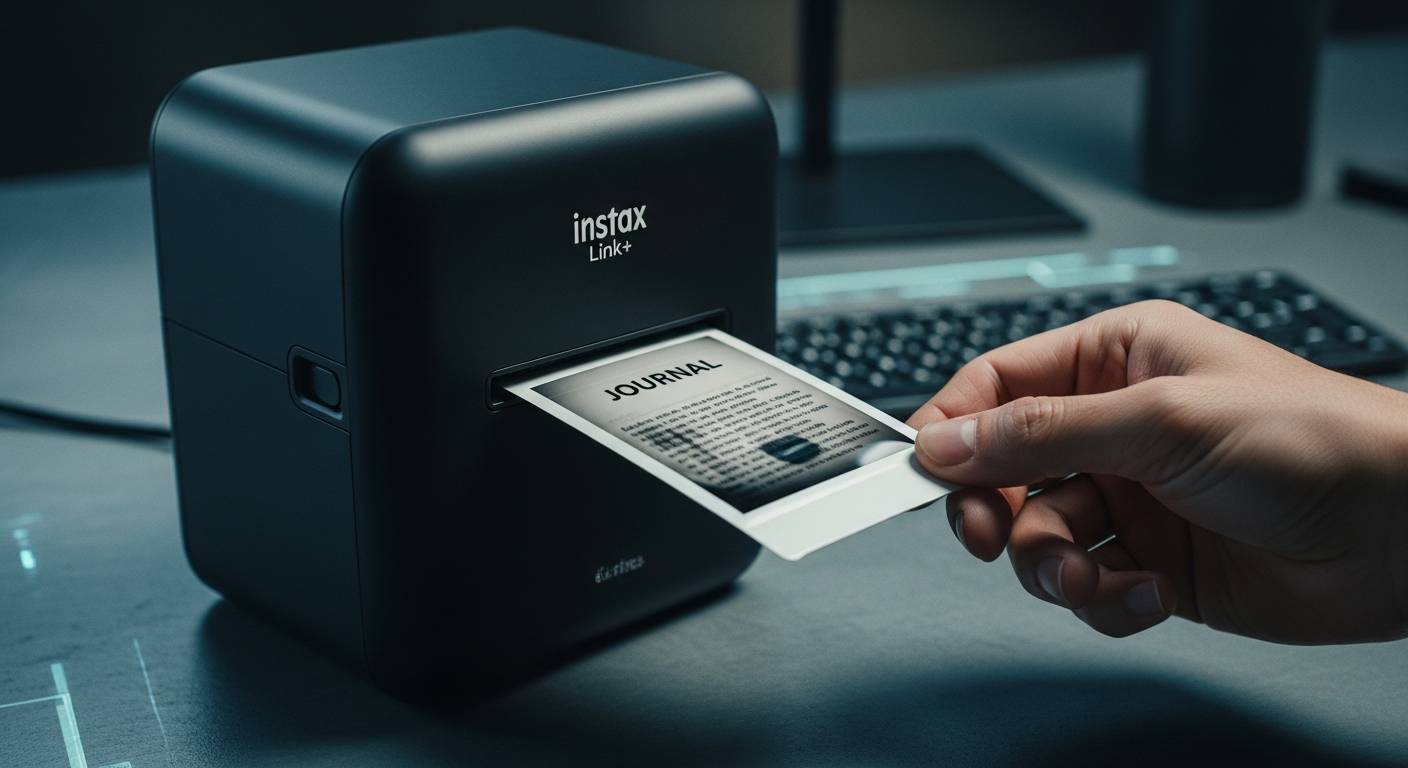
When Fujifilm announced the Instax Mini Link+, the immediate reaction from many was a mix of anticipation and apprehension. The previous Instax Mini Link 3 had carved a niche for itself as a charming, if imperfect, companion for tangible memory-keeping. Its prints, while often described as "soft and muddy," held a nostalgic appeal. The Link+ entered the scene with a significant price tag of $169.95, a near 70% hike from its $100 predecessor. Such a leap in cost naturally sets high expectations for transformative improvements.
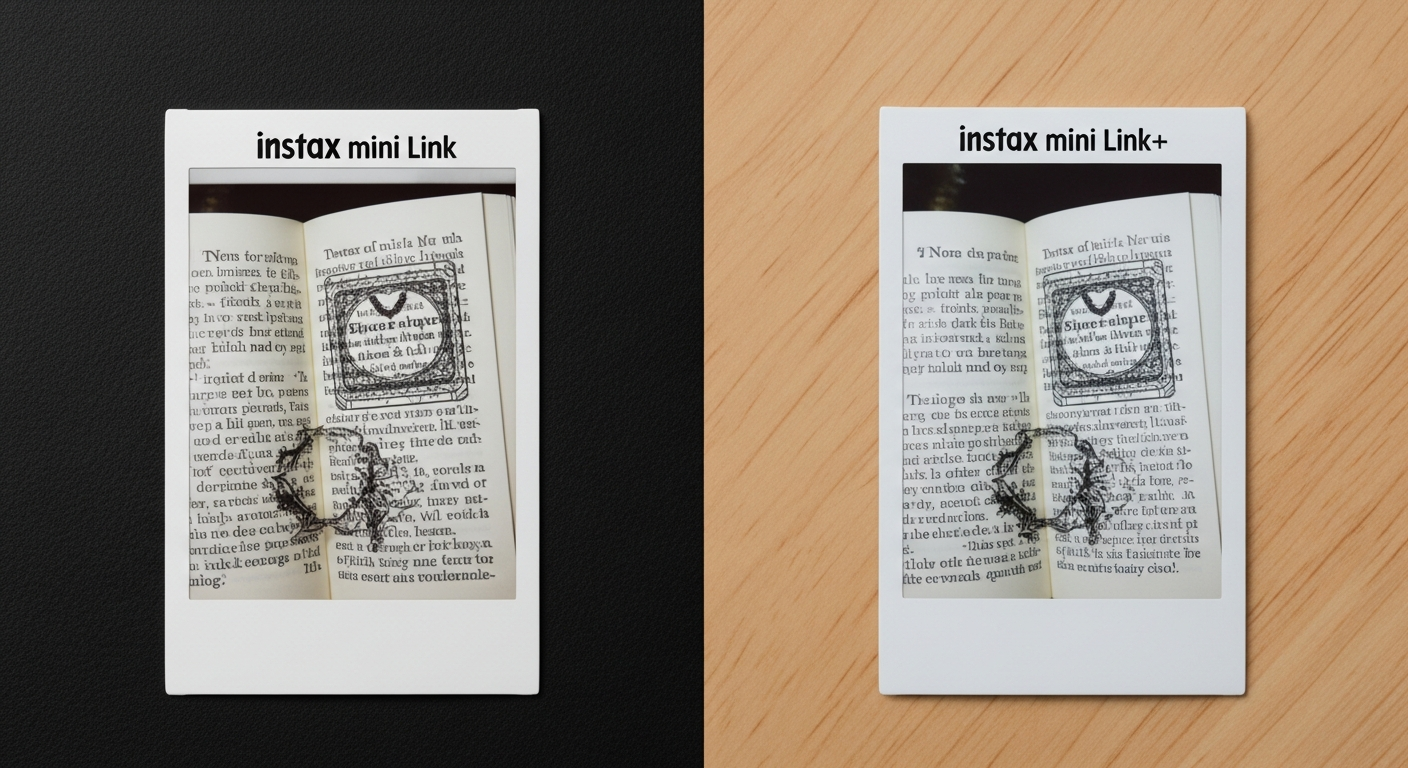
However, the headline feature—the "Design Print" mode, lauded for its supposed ability to render text and intricate illustrations "crisp and legible"—proves to be largely an exercise in marketing over substance. Early assessments quickly revealed that this much-vaunted upgrade offered little discernible improvement. This disconnect between advertised capability and actual performance is not merely disappointing; it signals a potential misstep in product development and consumer communication by Fujifilm. For a product aimed at enthusiasts who value fidelity in their physical artifacts, a core feature failing to deliver on its primary promise undermines the very premise of the upgrade.
Subtle Strengths: The Unsung Processing Enhancements
Beneath the veneer of a failed flagship feature, the Instax Mini Link+ does offer some genuine, albeit understated, advancements. Despite the shortcomings of the Design Print mode, the internal processing has indeed seen improvements. Reviewers note an enhancement in contrast, a more vibrant rendition of colors, and a noticeable uptick in overall sharpness. These are not dramatic, earth-shattering changes, but rather subtle refinements that contribute to a marginally better photographic output.
For users primarily concerned with the general aesthetic quality of their instant prints—those who appreciate a slightly richer tone or a clearer delineation of subjects—these internal tweaks might be welcome. They address the long-standing criticism of Instax prints often appearing dull or lacking punch. Yet, these improvements are not easily isolated or demonstrated without direct comparison, nor are they the features Fujifilm chose to lead with. This creates a perplexing scenario: consumers are paying a premium primarily for a feature that doesn't work, while the true, if minor, enhancements remain in the background, making it difficult to justify the price hike on their own merits.
The Value Equation: Niche Appeal vs. Premium Pricing
The Instax Mini Link+ operates within a peculiar segment of the photography market. It caters to a demographic that values the tactile, immediate nature of physical prints, often for scrapbooking, journaling, or sharing unique mementos. In an age dominated by digital imagery, the Instax experience offers a distinct, analog counterpoint. However, the decision to elevate the price point so substantially for an iterative update—especially one with a demonstrably weak headline feature—places it in direct conflict with its own value proposition.
Consumers in this niche are often discerning; they understand the inherent limitations of instant film but expect improvements to align with cost increases. The Link+ struggles to present a compelling argument for its premium status. When juxtaposed against its cheaper predecessor, or even other portable photo printers that offer higher resolution or more versatile connectivity for similar or less cost, the Link+ appears to be overestimating its market pull. The continued reliance on proprietary Instax Mini film, itself an ongoing expense, further compounds the total cost of ownership, making the initial investment even harder to swallow for budget-conscious users.
Fujifilm's Strategic Blind Spot
This launch raises questions about Fujifilm's strategic approach to its Instax line. Is the company truly listening to its user base, or is it pursuing feature-driven development that prioritizes marketing buzz over practical utility? The emphasis on a "Design Print" mode that falls short suggests a misunderstanding of what truly constitutes an "upgrade" for instant photography enthusiasts. What users likely crave are fundamental improvements in image fidelity, color accuracy, and perhaps more robust connectivity or battery life, all delivered at a reasonable price point.
Instead, Fujifilm delivered a product that feels like a half-step, priced as a full leap. This could alienate long-time fans who feel exploited by incremental updates disguised as innovation. In a market where brand loyalty is often built on trust and consistent value, a misstep like the Instax Mini Link+ could erode the goodwill carefully cultivated by the Instax brand. It suggests a need for Fujifilm to re-evaluate its innovation pipeline and marketing alignment to ensure future products genuinely deliver on their promises and justify their cost.
Public Sentiment
"It feels like Fujifilm is testing how much we're willing to pay for minor improvements. The 'Design Print' mode was a huge letdown." – Journaling Enthusiast "I love my old Instax Link, and the new one's price just doesn't make sense for what it offers. Where's the innovation?" – Casual Photographer "Sure, the prints look a bit better, but not $70 better. They really pushed the wrong feature." – Tech Review Reader "I appreciate the improved colors, but why wasn't that the main selling point? The marketing was misleading." – Dedicated Instax User
Conclusion
The Instax Mini Link+ is a perplexing product. It presents itself as a significant upgrade, commanding a substantial price increase, yet its primary advertised innovation—the "Design Print" mode—proves largely ineffective. While there are genuine, subtle improvements in core image processing, enhancing contrast, color, and sharpness, these are overshadowed by the product's marketing misdirection and inflated cost. For existing Instax users, the Link+ represents an expensive and largely unnecessary incremental step. For new users, it offers a niche experience at a premium that is difficult to justify when more capable and versatile options exist. Fujifilm had an opportunity to truly elevate the instant print experience, but instead delivered a product that feels more like a missed opportunity, leaving many to wonder if the "worthy upgrade" is truly worth the price of admission.