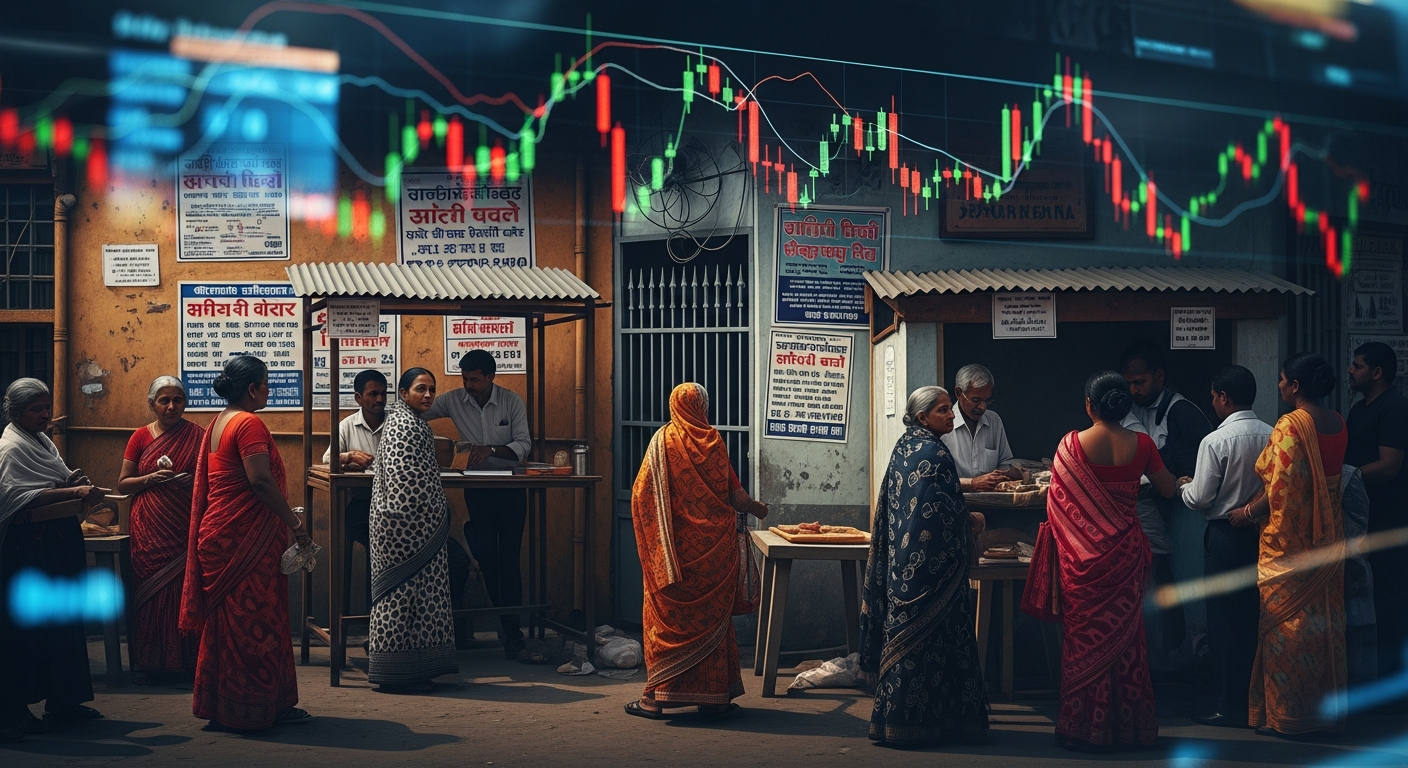
India, a nation aspiring to be a global economic powerhouse, often finds itself caught between traditional practices and modern exigencies. Nowhere is this more apparent than in the perplexing decision to shut down its vital stock exchanges for local body elections. The recent BMC Polls in Mumbai brought this issue into sharp focus, prompting a rather 'stinging post' from none other than Zerodha founder and CEO, Nithin Kamath. His pointed critique of 'poor planning' behind such closures resonates deeply, forcing a contemplative, if not skeptical, look at our priorities.
Key Takeaways
-
Frequent market holidays can hinder India's global financial integration and reputation.
-
Nithin Kamath's criticism highlights a systemic issue of 'poor planning' and lack of foresight.
-
The economic cost of such closures, though difficult to quantify precisely, includes lost trading opportunities and potential capital flight.
-
Modern, globally interconnected markets demand continuous operation, clashing with traditional domestic closures.
-
A crucial re-evaluation of market holiday policies is necessary for India's financial maturity and global standing.
The Global Market vs. Local Mandate
Our financial markets are no longer isolated entities. They are intricately woven into the fabric of the global economy, responding instantly to events from Wall Street to Tokyo. Indian markets, with their growing volume and foreign investment, are particularly sensitive to this interconnectedness. When exchanges shut down for a local election, even for a day, it creates a jarring disconnect. While other major global markets operate almost continuously, India frequently observes holidays for various reasons, including local polls. This begs the question: how serious are we about projecting ourselves as a seamless, reliable partner in the global financial ecosystem?
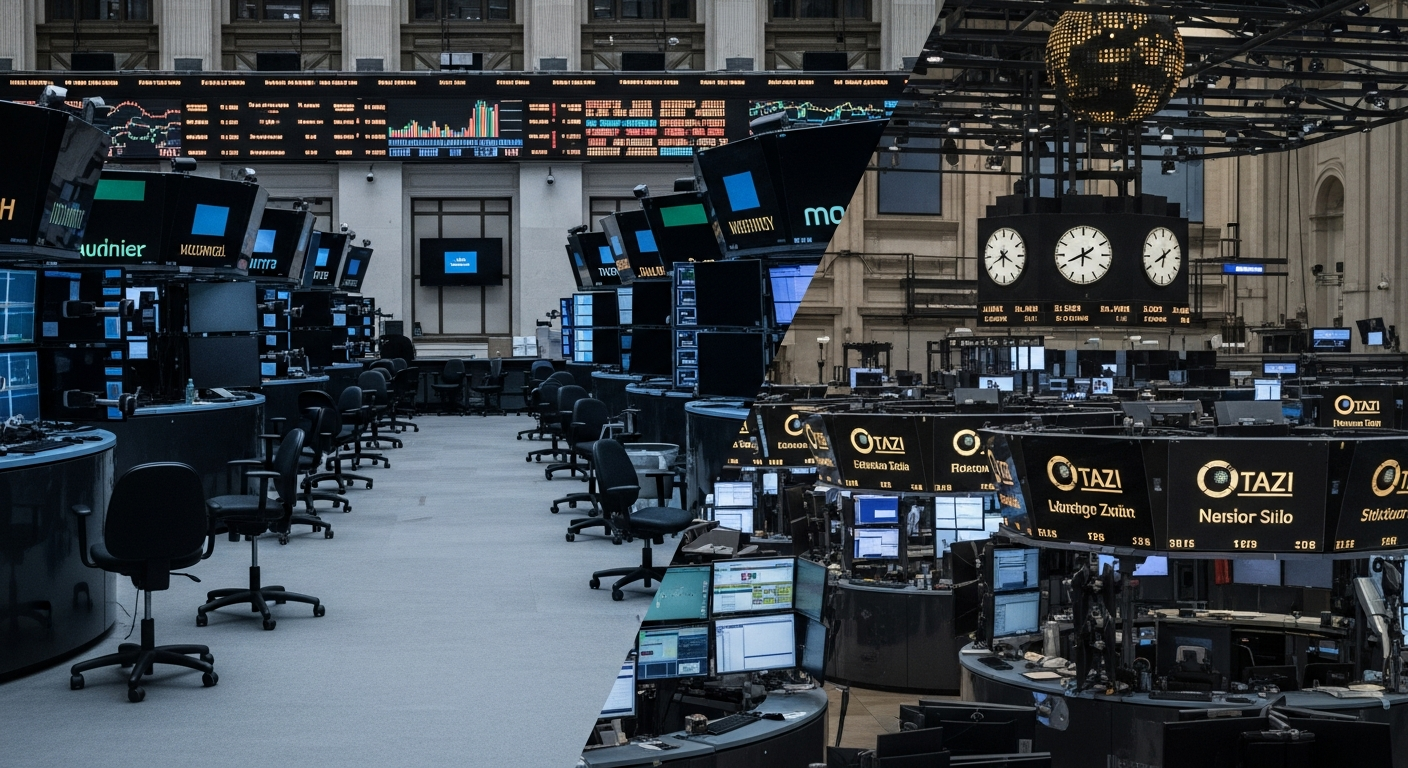
Kamath's point about 'global links' isn't just theoretical; it's a practical reality for traders, investors, and financial institutions. A sudden closure means that Indian participants cannot react to overnight global news, cannot execute arbitrage strategies, and cannot manage risk effectively. It’s akin to deliberately unplugging a critical component of a global network for purely localized reasons, regardless of the wider ripple effects.
The 'Poor Planning' Conundrum
Is it truly 'poor planning,' or simply a deeply ingrained tradition no one dares to challenge? The phrase itself implies a lack of foresight, an oversight in anticipating the consequences of such actions in a modern context. It suggests that while election day is sacrosanct for civic duty, the operational continuity of financial infrastructure hasn't been given due consideration. In an era where digital solutions and remote voting are increasingly viable, the absolute necessity of a market shutdown for a local election in a single city becomes harder to justify. The operational costs for financial institutions to halt and restart, the lost revenue for exchanges, and the uncertainty it creates for both domestic and international investors are all significant, albeit often unquantified, detriments.

A Question of Priorities
This debate ultimately boils down to a question of priorities. Is the sanctity of local elections so paramount that it overrides the continuous, efficient operation of a global financial instrument? While democratic participation is undeniably crucial, there must be a way to facilitate it without resorting to measures that make our markets seem less sophisticated or reliable on the international stage. Many advanced economies manage to hold elections without disrupting their stock exchanges, often by implementing alternative voting mechanisms or structuring market operations differently. Why can't India, with its technological prowess, find a similar solution?
Public Sentiment: A Growing Unease
The sentiment among active traders and market participants is one of growing unease and frustration. Many express a sense of helplessness, citing lost opportunities and the disruption of carefully planned strategies. "It just feels archaic," one independent trader commented, wishing to remain anonymous. "Why can't we adapt to modern times like other global markets that manage elections without shutting down entirely?" While a segment of the public might still view it as a necessary civic pause, this perspective is increasingly challenged by those who see the tangible economic costs and the dent in India's global financial aspirations.
Conclusion
Nithin Kamath's criticism serves as a much-needed jolt, pushing us to confront an uncomfortable truth. India's ambition to become a leading financial hub demands a recalibration of its policies, especially those that create unnecessary friction with global standards. The cost of 'poor planning' extends beyond mere inconvenience; it touches upon our reputation, efficiency, and future growth trajectory. It's time for a serious contemplation on whether these traditional closures truly serve our national interest in an interconnected world, or if they are simply relics holding us back from achieving our full financial potential.