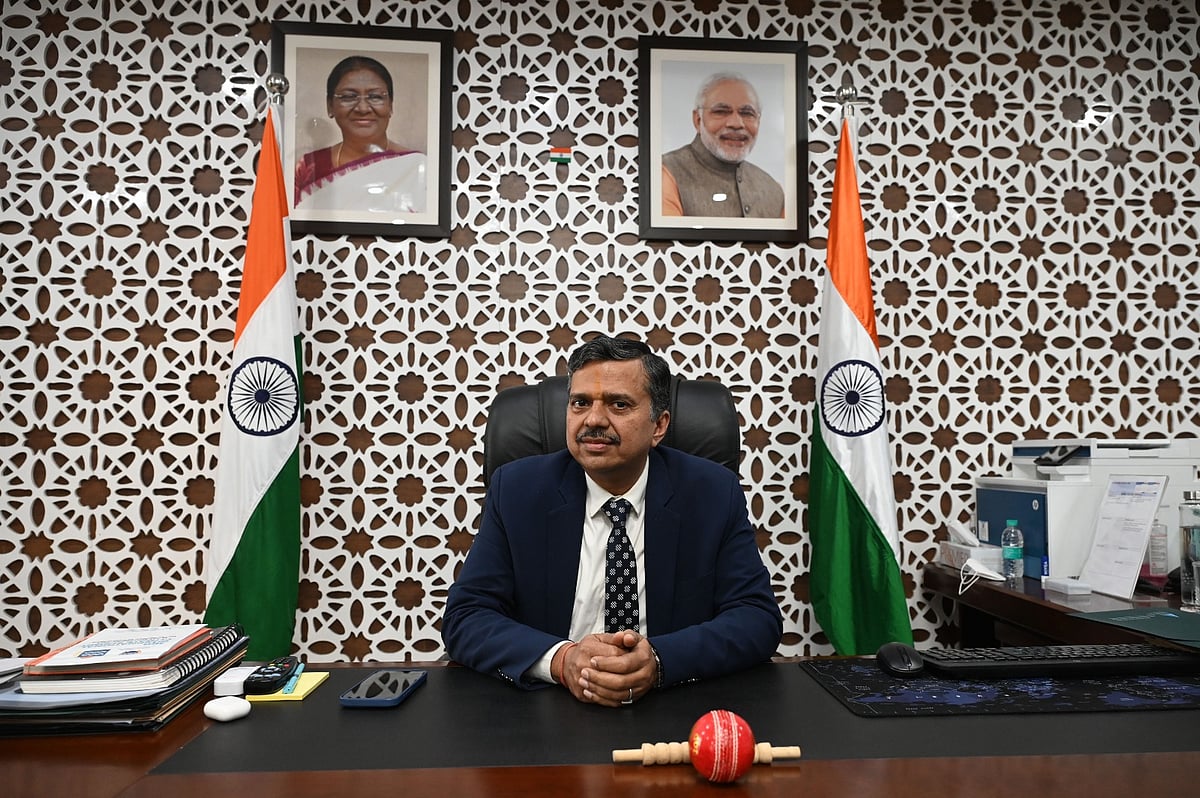
India, a nation on the cusp of unprecedented economic growth, understands that its aspirations are inextricably linked to its infrastructure prowess. As Budget 2026 looms, the expectations from key financial institutions, particularly the India Infrastructure Finance Company Limited (IIFCL), are reaching a crescendo. Palash Srivastava, IIFCL's Managing Director, has articulated a compelling vision, emphasizing not just increased funding, but a holistic reimagining of the financing ecosystem, greater state flexibility, and a strategic expansion into emerging sectors. It’s a blueprint that, if implemented effectively, could propel India’s infrastructure narrative into a new epoch of dynamism and efficiency.
Key Takeaways:
-
Expanded Financing Universe: Budget 2026 is expected to broaden the definition of infrastructure to include nascent sectors like space, aerospace, and biofuels, thereby improving their access to long-term capital.
-
Operationalising Key Funds: Previously announced initiatives such as the Urban Challenge Fund and Maritime Development Fund are anticipated to become fully operational, alongside new incentives for private investment.
-
Empowering States & Urban Bodies: The budget aims to provide greater fiscal and financing flexibility to states, easing FRBM constraints, and enhance resource mobilisation capabilities for urban local bodies.
-
Diversified PPP Pipeline: The ₹17 lakh crore Public-Private Partnership (PPP) pipeline is dominated by transport, logistics, and renewable energy, signaling a strategic diversification beyond traditional core sectors.
-
Addressing Private Investment Gaps: While government pushes for infrastructure, Budget 2026 must provide concrete mechanisms to effectively crowd in private participation, which has remained muted.
The Blueprint for a Broader Financing Universe
Srivastava’s vision for Budget 2026 rightly prioritises a significant expansion of what legally constitutes 'infrastructure.' This isn't just bureaucratic red tape; it's a critical move that dictates eligibility for long-term, patient capital – the lifeblood of large-scale projects. By widening the harmonised list of infrastructure to include pioneering sectors like space and aerospace infrastructure, aircraft, and select biofuel segments, the government signals its commitment to future-proofing India's economy. These emerging areas, often capital-intensive with long gestation periods, desperately need access to specialised financing instruments that traditional sectors enjoy.
Rusty Tablet believes this foresight is commendable. India cannot afford to be a laggard in global innovation. Providing these sectors with 'infrastructure' status is a powerful signal to investors, both domestic and international, that these are strategic growth areas deserving of serious capital. Furthermore, this expansion must be complemented by robust, execution-oriented mechanisms, ensuring that policy intent translates into tangible projects on the ground, avoiding the pitfalls of delayed operationalisation that often plague ambitious schemes.
Empowering the Urban Core and State Engines
India's rapid urbanisation presents both immense opportunities and daunting challenges. The capacity of urban local bodies (ULBs) to finance and execute crucial infrastructure – from sanitation and water to urban transport – has long been constrained. The expectation that Budget 2026 will facilitate greater resource mobilisation for ULBs and improve direct funding flows is, therefore, not just desirable but absolutely essential. Empowering cities to drive their own development is fundamental to sustainable growth.
Equally critical is the anticipated provision of greater fiscal and financing flexibility for states. As Srivastava points out, current Fiscal Responsibility and Budget Management (FRBM) constraints often limit states' ability to support vital projects through mechanisms like Viability Gap Funding (VGF) and Hybrid Annuity Models (HAM). This often leaves promising projects stalled or underfunded. Granting states more headroom, perhaps through conditional relaxation or innovative financing channels, is a practical and pragmatic step. States are often the closest to ground realities and possess a clearer understanding of regional needs. Decentralising financial power, while maintaining fiscal prudence, will undoubtedly accelerate project implementation and foster a more balanced national development.
Decoding the ₹17 Lakh Crore PPP Pipeline: Diversity and Dominance
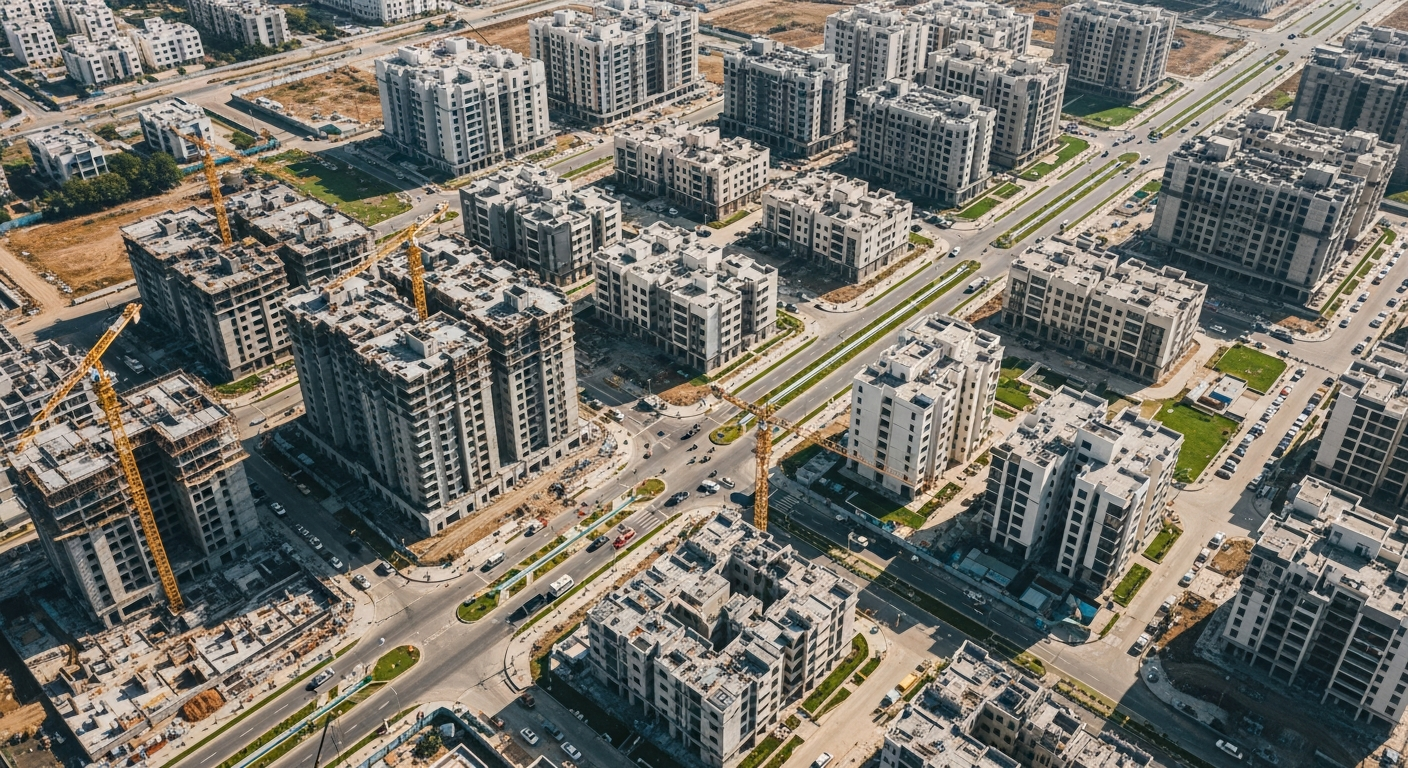
The Finance Ministry's announcement of a staggering ₹17 lakh crore worth of Public-Private Partnership (PPP) infrastructure projects is a testament to the nation's ambitious growth agenda. This pipeline, detailed by the Department of Economic Affairs, offers critical insights into the government's strategic priorities. Unsurprisingly, transport and logistics dominate, both in terms of project numbers and value. This sustained focus on mobility, connectivity, and supply-chain efficiency – encompassing roads, ports, shipping, inland waterways, and airports – is foundational to enhancing India's economic competitiveness and reducing logistical costs.
However, what is particularly encouraging is the growing diversification within this pipeline. Energy, especially renewable energy, follows closely, aligning perfectly with India's climate commitments and energy security goals. Water and sanitation, fundamental for public health and quality of life, also feature prominently. Moreover, the early traction observed in electric mobility and bio-energy projects signifies a forward-looking approach, preparing India for the next wave of sustainable infrastructure. While the scale is impressive, the real challenge lies in ensuring that these projects transition from blueprints to operational assets swiftly and efficiently.
Crowding in Private Capital: A Persistent Challenge
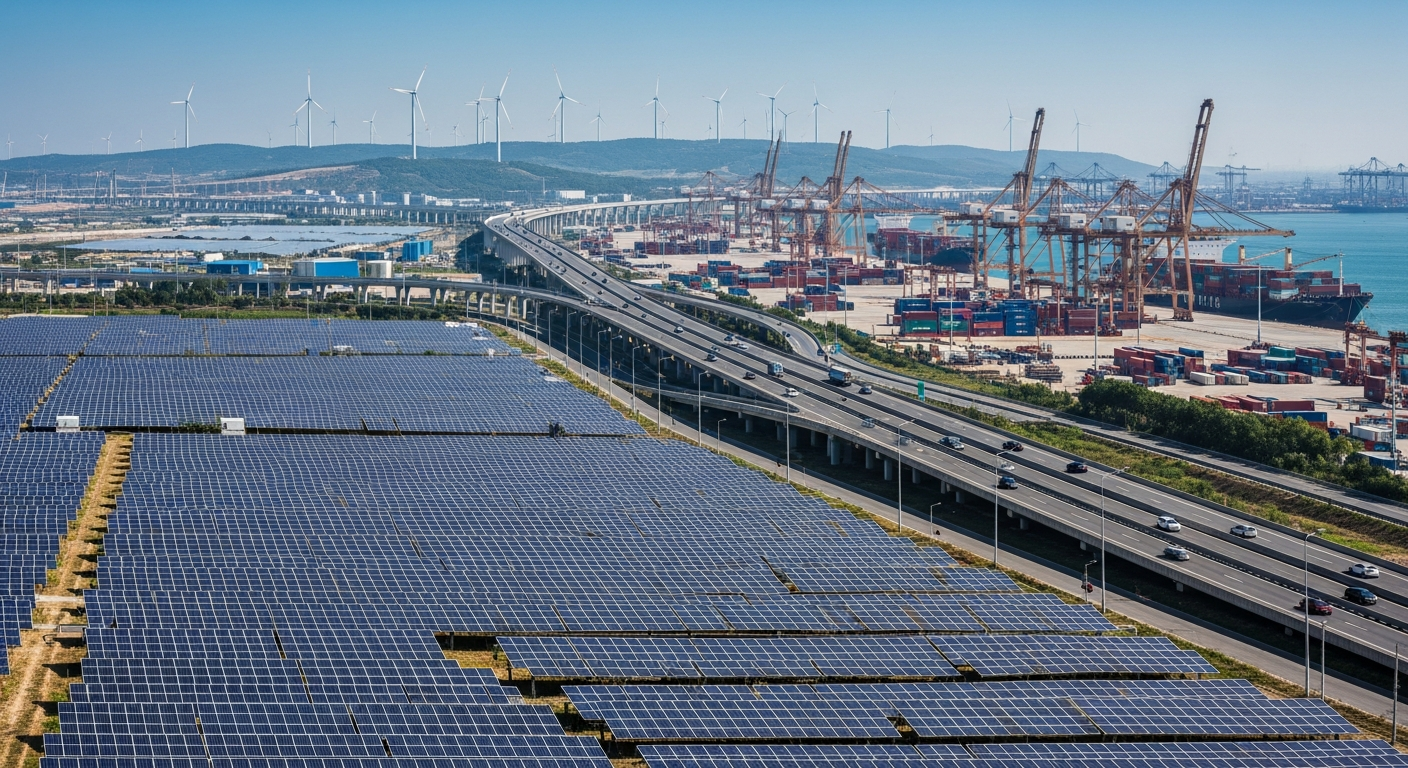
Despite the government's consistent push, private participation in infrastructure financing has remained stubbornly muted. This is a crucial area where Budget 2026 must deliver more than just rhetoric. The expectation that enabling measures announced earlier – such as the Urban Challenge Fund and the Maritime Development Fund – will be operationalised, along with direct incentives to crowd in private investment, is a positive sign. However, operationalisation alone is insufficient.
Rusty Tablet contends that the constraints holding back private investors often extend beyond just financial incentives. These include regulatory uncertainties, bureaucratic hurdles, prolonged land acquisition processes, and inadequate risk-sharing frameworks. For the ₹17 lakh crore PPP pipeline to truly take off, Budget 2026 must signal not just monetary support but a fundamental overhaul of the private investment ecosystem. Clearer policy guidelines, streamlined approvals, robust dispute resolution mechanisms, and a more equitable distribution of risks between public and private partners are paramount. Without these foundational reforms, the 'incentives' may fall short of their intended impact, leaving valuable private capital on the sidelines.
Public Sentiment
Analysts widely concur that Budget 2026 presents an unprecedented opportunity to redefine India's infrastructure financing landscape. While the intent to broaden the financing universe and empower states is lauded, a recurring sentiment among industry experts and developers revolves around the urgent need for concrete policy implementation rather than mere announcements. There's palpable optimism for the diversified PPP pipeline, yet a cautious wait-and-watch approach persists regarding the effectiveness of measures aimed at spurring private sector involvement. "The blueprint is promising," remarked one infrastructure analyst, "but the devil, as always, will be in the details of execution and how swiftly bureaucratic bottlenecks are cleared. We need tangible results, not just ambitious targets." The public, meanwhile, awaits visible improvements in urban amenities and seamless connectivity, hoping these large-scale plans translate into better daily lives.
Conclusion
Palash Srivastava's insights offer a critical roadmap for Budget 2026. India's path to becoming a developed economy hinges on its ability to build world-class infrastructure, and quickly. Expanding the financing universe, empowering state and urban bodies, and effectively galvanising private capital are not just desirable outcomes; they are non-negotiable necessities. The upcoming budget presents a golden opportunity to operationalise bold policy, streamline execution, and truly unlock the nation's immense infrastructure potential. The stakes are high, and the expectation is that Budget 2026 will lay a robust foundation for an infrastructure-driven future, transforming India's economic landscape for generations to come.