Key Takeaways:
-
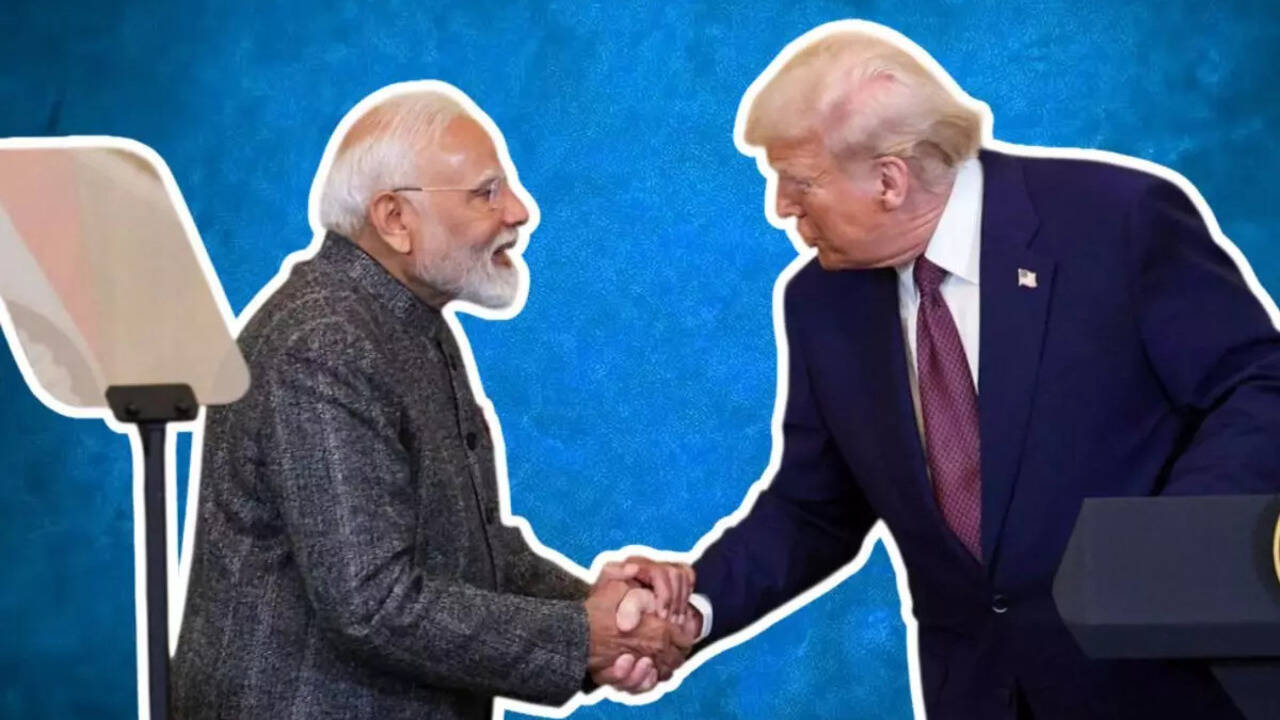
Former US Commerce Secretary Howard Lutnick claimed a trade deal stalled because PM Modi did not call President Trump as advised.
-
India's Foreign Ministry strongly rejected this, asserting talks were ongoing and Modi had frequent phone calls with Trump.
-
Key unresolved issues include US demands for greater access to India's agricultural market and Indian protectionism.
-
US tariffs on Indian goods, partly linked to India's Russian oil purchases, have escalated tensions.
-
Despite tariffs, India's exports to the US have shown resilience, but the broader relationship faces significant strain.
The Contested Claim: A Missed Call or Mischaracterization?
The latest friction in India-US trade negotiations stems from a direct claim by former US Commerce Secretary Howard Lutnick. Speaking on the All-In Podcast, Lutnick alleged that a nearly finalised trade deal faltered because Prime Minister Narendra Modi failed to place a crucial phone call to then-President Donald Trump. According to Lutnick, he informed Indian negotiators that such a direct communication was essential to seal the agreement, but Indian officials reportedly expressed discomfort in facilitating the call.
India has unequivocally refuted this narrative. Foreign Ministry spokesperson Randhir Jaiswal stated publicly that Lutnick's characterisation of the talks was "not accurate." Jaiswal highlighted that India and the United States had committed to pursuing a bilateral trade agreement since February of the previous year, engaging in numerous rounds of discussions where both parties had, on multiple occasions, neared a resolution. Furthermore, Jaiswal pointed out that Modi and Trump had conversed telephonically eight times in the preceding year, discussing various facets of their nations' strategic partnership. The White House has conspicuously refrained from commenting on Lutnick's assertions, leaving the specific details surrounding the alleged missed call in ambiguity.
Persistent Sticking Points: Agriculture, Tariffs, and Geopolitical Swirl
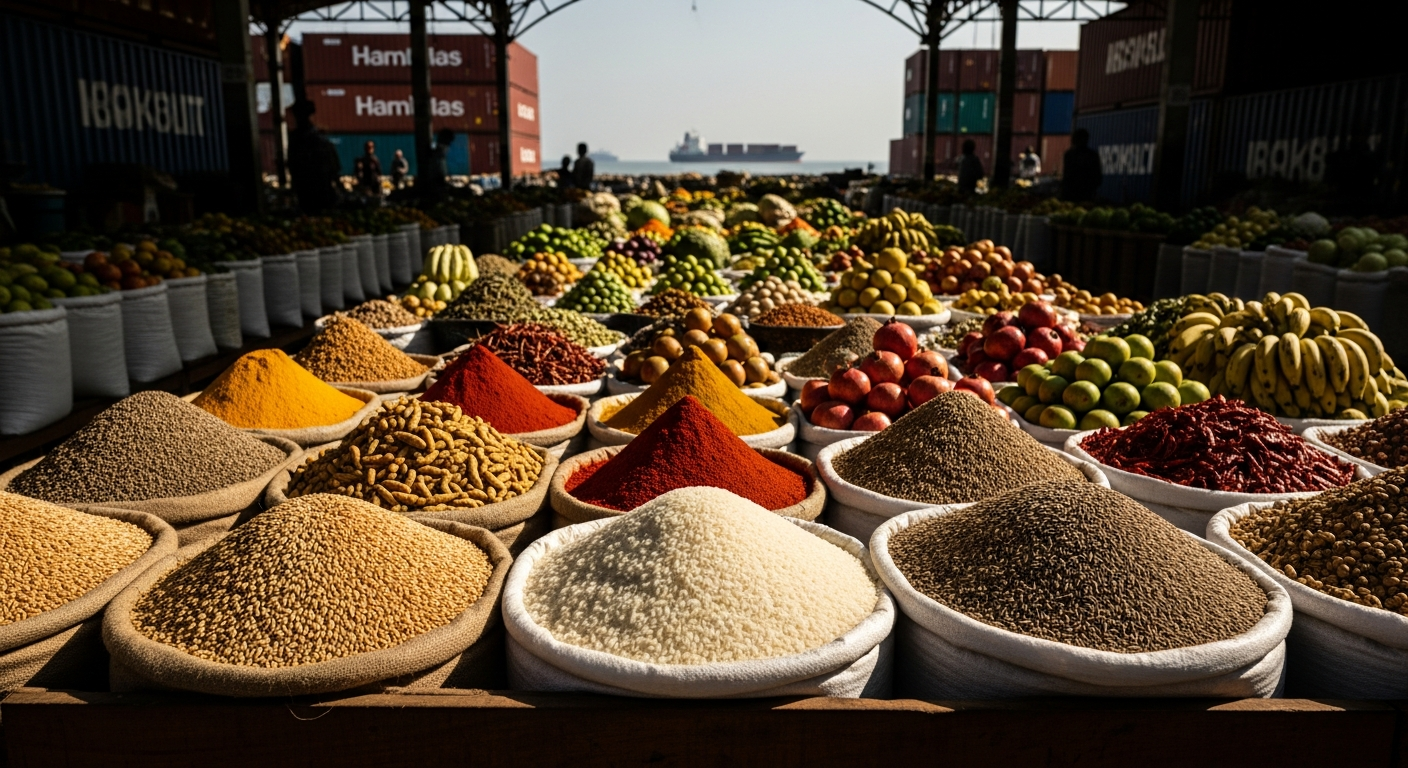
Beyond the contested phone call, substantive disagreements continue to plague the path to a comprehensive trade deal. Agriculture remains a particularly sensitive and intractable issue. The United States has consistently pressed for expanded access to India's vast agricultural market, a demand that Delhi has steadfastly resisted, citing the need to protect its domestic farm sector. This divergence underscores fundamental differences in trade philosophy and national priorities.
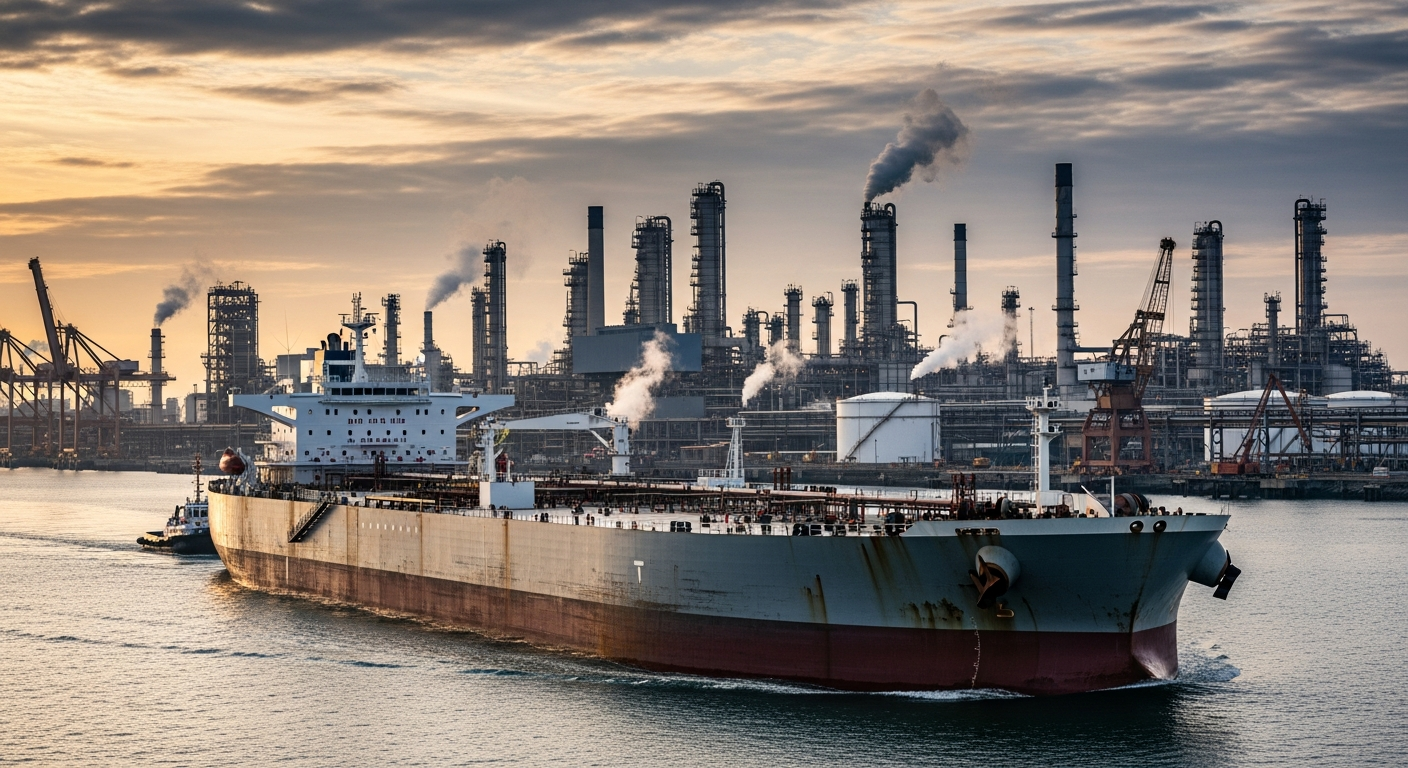
Adding another layer of complexity are the punitive tariffs imposed by the Trump administration. In August, the US levied a 50% tariff on various Indian goods, with some penalties specifically linked to India's increased purchases of discounted Russian crude oil following the Ukraine conflict. India has consistently defended these energy imports as vital for its burgeoning population's energy security. While reports suggest some Indian oil refiners have since reduced imports from Moscow, the tariffs underscore Washington's broader geopolitical concerns. US Trade Representative Jamieson Greer, while acknowledging India's "best ever offer" during negotiations, candidly described the nation as a "tough nut to crack," reflecting the arduous nature of these discussions.
The "Staircase" Analogy and Evolving Bilateral Dynamics
Lutnick further elaborated on Trump's approach to trade negotiations, likening it to a "staircase" where earlier partners secured more favourable terms. He contended that India, being the second country to negotiate after the UK, was offered a limited window—"three Fridays"—to conclude its deal. Lutnick suggested that India's hesitation over arranging the presidential call led to delays, allowing the US to finalise agreements with other nations such as Indonesia and Vietnam. By the time India allegedly signalled readiness to accept the initial terms, the opportunity, according to Lutnick, had passed. The precise terms of this supposedly missed deal, however, remain undisclosed.
These trade disputes coincide with a discernible cooling in the personal rapport between Prime Minister Modi and former President Trump. While the two leaders once shared a visible camaraderie, with Modi being an early visitor to the Trump White House, recent events have introduced friction. India has, for instance, repeatedly denied Trump's claims of mediating a ceasefire between India and Pakistan in May, and in June, Delhi categorically rejected any third-party mediation on the Kashmir issue. Despite these strains, and the significant tariffs, India's goods exports to the US remarkably surged by over 22% in November compared to the previous year, highlighting the deep underlying economic ties that persist amidst political turbulence.
Official Stances and Public Discourse
Official communications from both Delhi and Washington reflect a careful balancing act. India's firm rejection of Lutnick's claims underlines its commitment to maintaining sovereign control over its diplomatic engagements and narrative. Spokesperson Jaiswal's detailed account of Modi-Trump calls and sustained negotiation efforts serves to counter perceptions of Indian dilly-dallying. From the US perspective, Lutnick's public comments, while not officially endorsed by the White House, reveal a frustration with the pace and substance of previous negotiations, particularly concerning market access. Senator Lindsey Graham's mention of potential secondary tariffs on countries doing business with Moscow further amplifies the geopolitical pressures impacting trade, which India acknowledges and monitors closely, reiterating its stance on energy security. The public discourse, while varied, suggests a shared understanding of the complexity, with analysts often pointing to the inherent difficulties in reconciling two large economies with diverse developmental priorities.
Conclusion:
The ongoing trade talks between India and the United States remain in a precarious state, overshadowed by public disagreements and fundamental unresolved issues. While both nations acknowledge the strategic importance of their partnership, the specific details of a comprehensive trade agreement continue to elude negotiators. The dispute over a missed presidential call, coupled with persistent sticking points on agriculture, tariffs, and energy policy, underscores the intricate challenges in aligning divergent national interests. The path forward remains uncertain, demanding continued diplomatic engagement and a willingness from both sides to navigate a relationship that is as economically vital as it is geopolitically complex.