
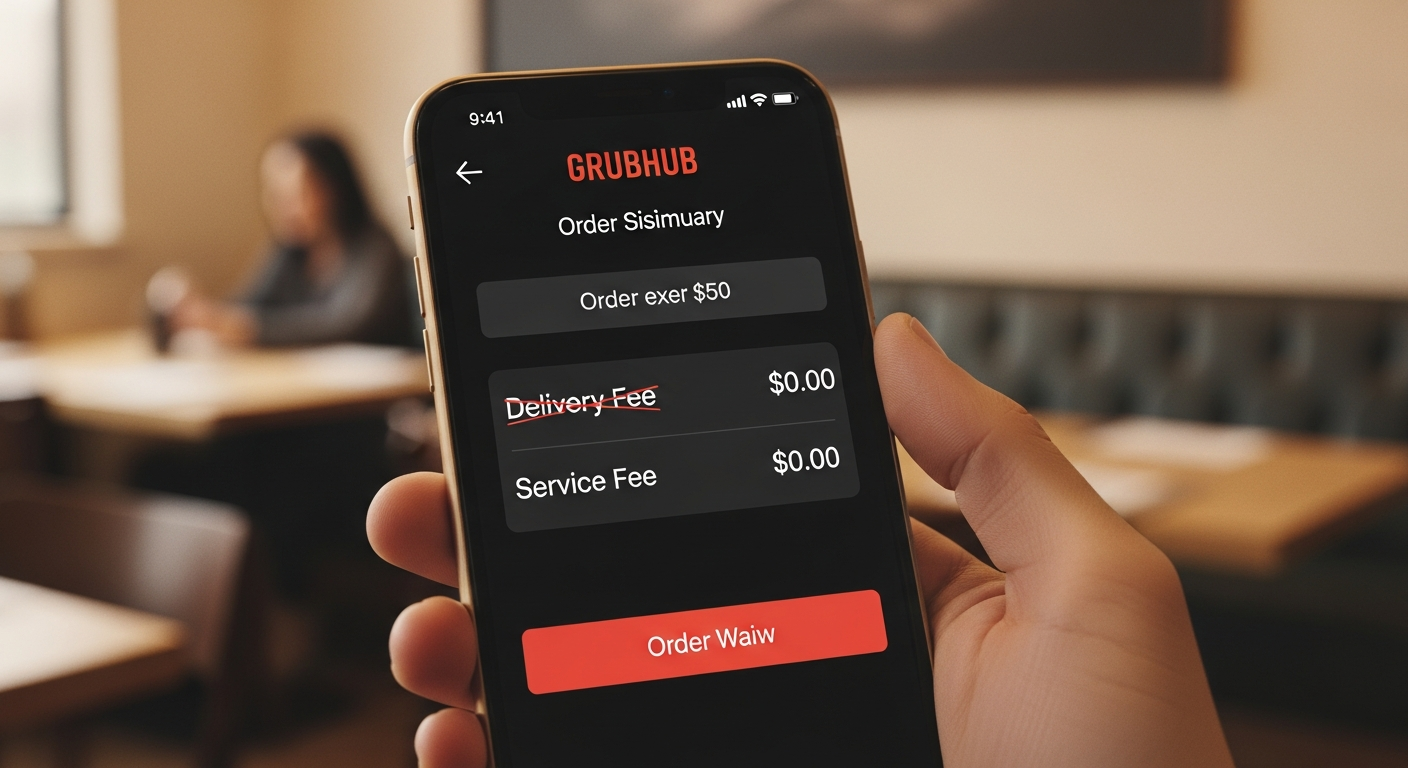
The landscape of online food delivery has long been characterized by aggressive competition, rapid innovation, and an incessant quest for profitability. In this high-stakes environment, Grubhub, once a market leader, has unveiled a strategic initiative designed to reclaim lost ground: the waiver of delivery and service fees on all restaurant orders exceeding $50. This move is not merely a promotional gimmick; it represents a calculated gamble in the ongoing battle for market dominance, with profound implications for consumers, restaurants, and competitors alike.
Key Takeaways
-
Market Re-entry: Grubhub's fee waiver targets increased market share and customer retention in a highly consolidated industry.
-
Incentivizing Large Orders: The $50 threshold aims to encourage higher average order values, potentially boosting revenue for partner restaurants.
-
Competitive Escalation: This move intensifies competition, potentially triggering similar actions or counter-strategies from major rivals like DoorDash and Uber Eats.
-
Profitability Paradox: It highlights the ongoing struggle for sustainable profitability in the food delivery sector, where growth often comes at a significant cost.
-
Consumer Behavior: The success of this strategy hinges on its ability to alter consumer behavior and foster brand loyalty in a price-sensitive market.
Main Analysis: Deciphering Grubhub's Strategic Play
The Rationale Behind the Waiver
For years, Grubhub has contended with a formidable challenge from its well-capitalized rivals, DoorDash and Uber Eats, both of whom have captured significant market share through aggressive expansion, diverse offerings, and strategic partnerships. The food delivery sector operates on razor-thin margins, with fees often being the primary revenue stream beyond commission from restaurants. By waiving delivery and service fees on orders over $50, Grubhub is directly addressing one of the most common pain points for consumers: the cumulative cost of convenience.
The logic is multi-faceted. Firstly, it aims to attract new customers who might have been deterred by rising fees, and to re-engage lapsed users. Secondly, the $50 threshold is strategically set to encourage larger, family-sized, or group orders, which inherently boost the average transaction value. For restaurants, larger orders translate to better per-order economics, even with a reduction in the platform's overall take rate, potentially making Grubhub a more attractive partner. This move is less about immediate profit maximization and more about a long-term play for market share and user base expansion.
Impact on Consumers and Restaurants
For the end-user, the appeal is clear: significant savings on larger orders. In an inflationary economic climate, any reduction in cost for an everyday convenience like food delivery is likely to be met with enthusiasm. This could lead to an increase in order frequency or a shift in loyalty from platforms that still levy such fees. Consumers are notoriously price-sensitive, and a clear financial incentive can often sway purchasing decisions.
Restaurants, particularly those struggling to maintain margins in a post-pandemic world, might view this as a double-edged sword. While increased order volume from Grubhub could be beneficial, particularly for high-value orders, the underlying economics of platform commissions remain. The waiver places the burden of subsidizing delivery on Grubhub, rather than passing it directly to the consumer or the restaurant in the form of higher commissions. This could make Grubhub a more favorable platform for restaurants, especially those with higher average order values, by potentially driving more profitable traffic to their kitchens.
Competitive Ramifications and Market Response
Grubhub's move is a direct challenge to the established order. DoorDash and Uber Eats, which together command a significant majority of the market, will undoubtedly be watching closely. Their response could range from similar fee waivers, albeit with different thresholds or conditions, to intensified promotional activities, or even a strategic shift towards non-delivery services. A full-blown price war on fees could further erode an already fragile path to profitability for all players.
However, replicating Grubhub's strategy might be challenging for the market leaders, especially if it significantly impacts their investor expectations for profitability. The competitive landscape is not static, and innovation in loyalty programs, subscription models (like DashPass or Uber One), and diverse offerings beyond just restaurant food are also critical battlegrounds. This fee waiver could force competitors to innovate on aspects other than price, or to find more sustainable ways to offer value.
The Profitability Paradox: Balancing Growth with Financial Viability
At its core, the food delivery business grapples with a fundamental paradox: massive investment is required for growth and customer acquisition, yet the path to consistent profitability remains elusive for many. Delivery infrastructure is expensive, and consumer expectations for low or no fees clash with the operational realities. Grubhub's fee waiver, while a bold growth strategy, inevitably places additional pressure on its own bottom line in the short term. The long-term success will depend on whether this increased market share and customer loyalty can eventually translate into sustainable revenue streams through higher order volumes, better negotiating power with restaurants, or diversified services. It's a calculated risk, betting that the cost of acquiring and retaining customers through fee waivers will be outweighed by the lifetime value of those customers.
Public Sentiment
Initial reactions from consumers have been largely positive. "Finally, a reason to order from Grubhub again! Those service fees really add up," commented one user on social media. Another remarked, "With a family, a $50 order is easy, and saving those fees makes a huge difference to our weekly budget." Industry analysts, however, are more cautious. "This is a high-stakes play," noted Rohan Sharma, a market strategist. "While it could boost Grubhub's visibility, sustaining such a model without a clear path to profitability will be challenging. Competitors won't stand idly by." Restaurant owners also offered mixed views. "More orders are always good, but we hope this doesn't eventually squeeze our margins further," stated a local restaurateur, reflecting broader concerns about platform power dynamics.
Conclusion
Grubhub's decision to waive delivery and service fees on orders over $50 represents a significant inflection point in the food delivery wars. It's a bold attempt to disrupt the status quo, aiming to leverage price sensitivity to regain a competitive edge. While the immediate benefit to consumers is evident, the broader implications for the industry are complex. It could trigger a fresh round of strategic maneuvers from rivals, reshape consumer expectations, and force all players to re-evaluate the delicate balance between aggressive growth and sustainable profitability. The coming months will reveal whether this calculated gambit positions Grubhub for a resurgence or deepens the industry's perennial profitability challenge. The "Rusty Tablet" will continue to monitor this evolving landscape with keen interest.