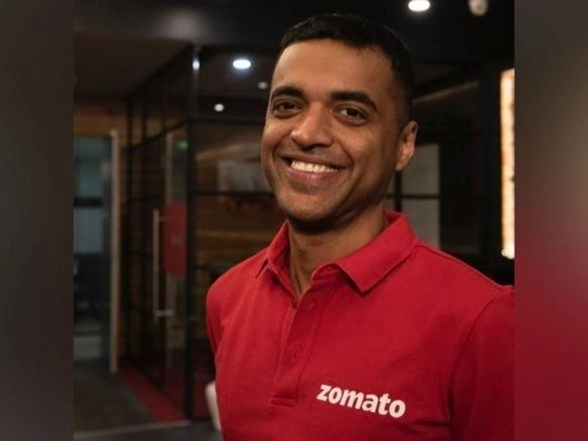
Deepinder Goyal's Exit from Eternal CEO: Strategic Masterstroke or Unfinished Business?
Nut Graph: The sudden announcement of Deepinder Goyal stepping down as Group CEO of Eternal (the parent company of Zomato, Blinkit, and others) has ignited a flurry of speculation. While Goyal cites a desire to pursue high-risk, experimental ventures outside a public company framework, the timing and nature of this transition raise questions about the internal dynamics, strategic pressures, and the future trajectory of one of India's most prominent tech conglomerates. Is this a genuine pursuit of innovation, or a carefully orchestrated pivot in the face of market realities and shareholder scrutiny?
Key Takeaways:
-
Deepinder Goyal resigns as Eternal Group CEO, transitions to Vice Chairman.
-
Albinder Dhindsa, previously Blinkit CEO, assumes the role of Group CEO.
-
Goyal's stated reason: a desire for "high-risk exploration and experimentation" unsuitable for a public company.
-
His unvested ESOPs will revert to Eternal's pool, aiding future leader retention.
-
Goyal confirms continued involvement in long-term strategy, culture, and governance.
-
Albinder Dhindsa's primary focus will be day-to-day execution and Blinkit's growth.
[FEATURED]
The Indian startup ecosystem, accustomed to the meteoric rises and dramatic shifts characteristic of its digital titans, has once again been served a significant leadership curveball. Deepinder Goyal, the visionary founder who sculpted Zomato into a household name and then diversified its parent entity, Eternal, into a multi-faceted conglomerate, has stepped down from his executive perch as Group Chief Executive Officer. The official narrative attributes this monumental shift to a yearning for "high-risk exploration and experimentation" – a pursuit, Goyal argues, ill-suited for the disciplined focus required of a public company CEO. But beneath the surface of this seemingly noble entrepreneurial quest, "Rusty Tablet" can’t help but ponder the deeper implications.
The baton now passes to Albinder Dhindsa, the seasoned architect behind Blinkit's resilience and recent path to breakeven, who assumes the demanding mantle of Group CEO. Goyal will transition to Vice Chairman on the board, a role he assures will keep him deeply involved in strategy, culture, and governance, with his financial destiny still inextricably linked to Eternal's fortunes. Yet, the air of scepticism surrounding such high-profile departures often lingers, prompting a closer examination of what truly drives these pivotal decisions.
The Stated Rationale vs. Unseen Pressures
Goyal’s letter to shareholders speaks of a desire to chase "new ideas that involve significantly higher-risk exploration and experimentation," asserting that Eternal "deserves to remain focused and disciplined." While laudable, this explanation immediately raises eyebrows in a market where public company CEOs face relentless pressure to deliver consistent growth and profitability. Is the pursuit of uncharted territories truly the sole driver, or does it offer a convenient, perhaps even dignified, exit from the day-to-day grind and intense scrutiny that comes with leading a publicly listed entity in a demanding Indian market?
The "legal and operational demands" of a public company CEO, as Goyal himself highlighted, are indeed formidable. In a post-IPO landscape, where investors scrutinize every quarterly report and profitability trumps growth narratives, the visionary founder's role often morphs into that of a corporate steward. Could this transition be a strategic maneuver to unshackle Goyal from the relentless market expectations, allowing him to operate with greater agility in a private capacity, while also providing a credible reason for stepping away from the operational hot seat? His admission that he has the "bandwidth" for both current responsibilities and new ventures, but the "expectations of a public company CEO demand a singular focus," feels like a subtly veiled admission of the overwhelming burden.
The Dhindsa Succession: A Calculated Bet?
Albinder Dhindsa's elevation is perhaps the most telling aspect of this leadership shuffle. Goyal's praise for Dhindsa, calling him a "battle-hardened founder" whose "ability to execute far exceeds mine," is striking. Dhindsa's success in steering Blinkit through a challenging acquisition and towards breakeven is undeniable, underscoring the platform's critical importance within the Eternal ecosystem. With Blinkit highlighted as the "largest growth opportunity" and remaining Dhindsa's "top priority," the message is clear: the future of Eternal, in the short to medium term, rests heavily on the performance and scalability of its quick-commerce venture.

This move positions a dedicated operator at the helm, a leader whose expertise lies in meticulous execution rather than grand, speculative ventures. It begs the question: is this a strategic de-risking of Eternal's operational leadership, ensuring stability and focus on proven revenue streams, particularly as Zomato itself navigates a competitive food delivery landscape? Or is it a tacit acknowledgment that the multi-faceted demands of an expanding conglomerate require a distinct operational focus that a founder, perhaps, finds less engaging than the thrill of the new?
Eternal's Future Trajectory: A Diversified Bet?
Goyal’s continued involvement in "long-term strategy, culture, leadership development, and ethics and governance" suggests a shift towards a more visionary, oversight role rather than direct executive command. This structure, common in mature conglomerates, might allow Eternal to operate as a holding company with strong, independent operational chiefs for its various verticals. The reversion of Goyal's unvested ESOPs for future leader retention further aligns with a corporate-first, talent-focused approach, minimising immediate dilution for shareholders.
However, the question remains: without Goyal's daily executive imprimatur, will the diverse arms of Eternal maintain the synergistic momentum that defined its earlier expansion? Or will they evolve into more independent silos, each carving its own path under Dhindsa's overarching, yet potentially less hands-on, Group CEO leadership? This transition also inadvertently highlights the growing pains of India's startup founders moving into public market leadership, where entrepreneurial zeal often clashes with the methodical demands of institutional investors.
Public Sentiment: A Mix of Curiosity and Cynicism
On social media, the reaction has been predictably varied. Skeptics point to challenging market conditions for tech stocks and intensified focus on profitability, suggesting that the "high-risk exploration" narrative might be a polished cover for deeper internal or external pressures. "Just another founder fatigue story disguised as a strategic pivot," one widely shared comment quipped. Others, however, commend the move as a mature decision, acknowledging the different skill sets required for founding versus operating a large public entity. "It takes courage to know when to step back and let dedicated operators take charge," another user noted, reflecting a more supportive viewpoint. Analysts, meanwhile, are closely watching how this leadership structure impacts Eternal's stock performance and strategic direction.
Conclusion: A New Chapter, Unwritten
Deepinder Goyal insists this is a "change in title, not in commitment," reaffirming Eternal as his "life's work." He envisions the firm becoming "India's most valuable company" and serving "a billion customers." Lofty goals, indeed. Yet, the path to achieving them now lies in the hands of a new executive leadership, albeit under his strategic guidance. While the official narrative speaks of entrepreneurial zeal and a pursuit of the unknown, the undercurrents of market pressures, evolving business priorities, and the sheer demands of leading a diversified public conglomerate are undeniable. The coming months will reveal whether this leadership reshuffle is indeed a visionary leap into uncharted territory or a strategic retreat from the immediate operational battlefield, shaping not just Eternal's future, but potentially setting a crucial precedent for India's maturing startup ecosystem. The Rusty Tablet will be watching.