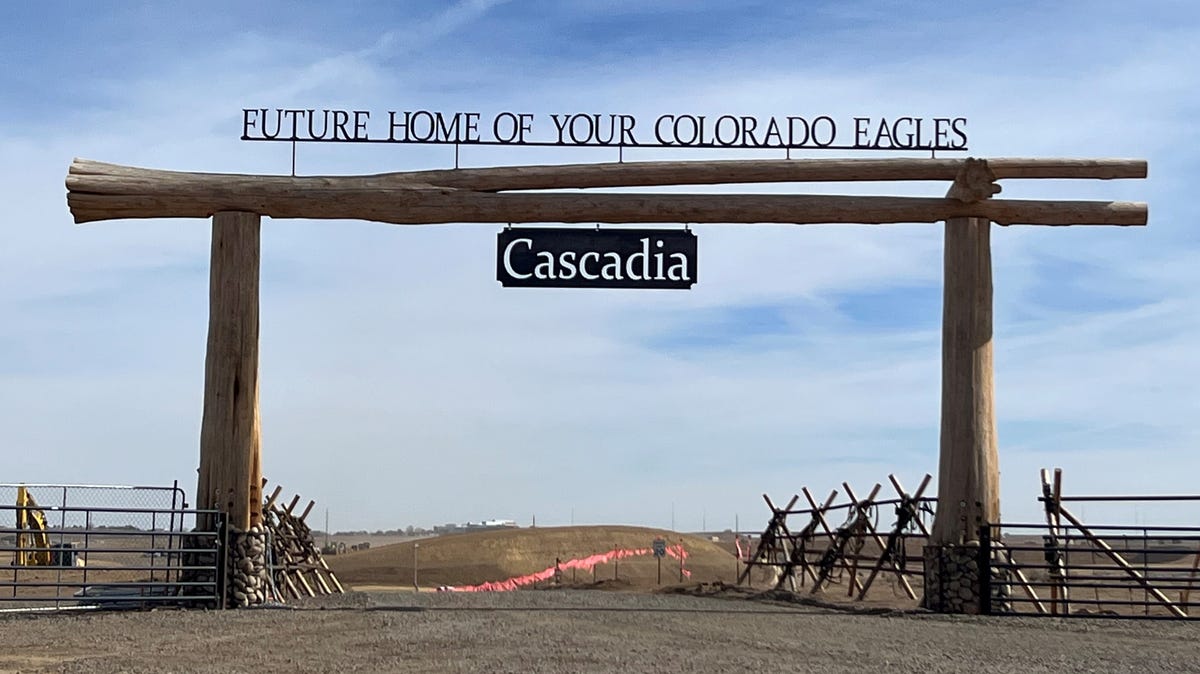
The rustle of ballots in Greeley carries the weight of a monumental decision, one that could either propel the city into a new era of growth and entertainment or slam the brakes on a colossal $1.1 billion venture. The Catalyst/Cascadia project, a sprawling vision encompassing an entertainment district, commercial zones, and residential development, is more than just another building plan; it’s a crucible for Greeley's aspirations and anxieties.
[FEATURED]
Key Takeaways:
-
The Stakes: A $1.1 billion public-private project's future, including a potential new home for the Colorado Eagles, hinges on a single ballot issue.
-
Ballot Issue 1A: A 'yes' vote repeals existing planned unit development (PUD) zoning, reverting land to agricultural status and imposing a one-year rezoning moratorium. A 'no' vote upholds the PUD zoning.
-
Developer's Warning: Martin Lind, the project's developer and Eagles owner, asserts a 'yes' vote would gravely impede, if not outright derail, the project due to existing contractual obligations.
-
Opponents' Concerns: Critics fear the project's financing model places undue financial risk on Greeley taxpayers, advocating for more time to review and address these issues.
-
Legal Landscape: The project is already mired in lawsuits, a trend expected to continue regardless of the vote's outcome.
The Grand Vision and the Crushing Reality of a Vote
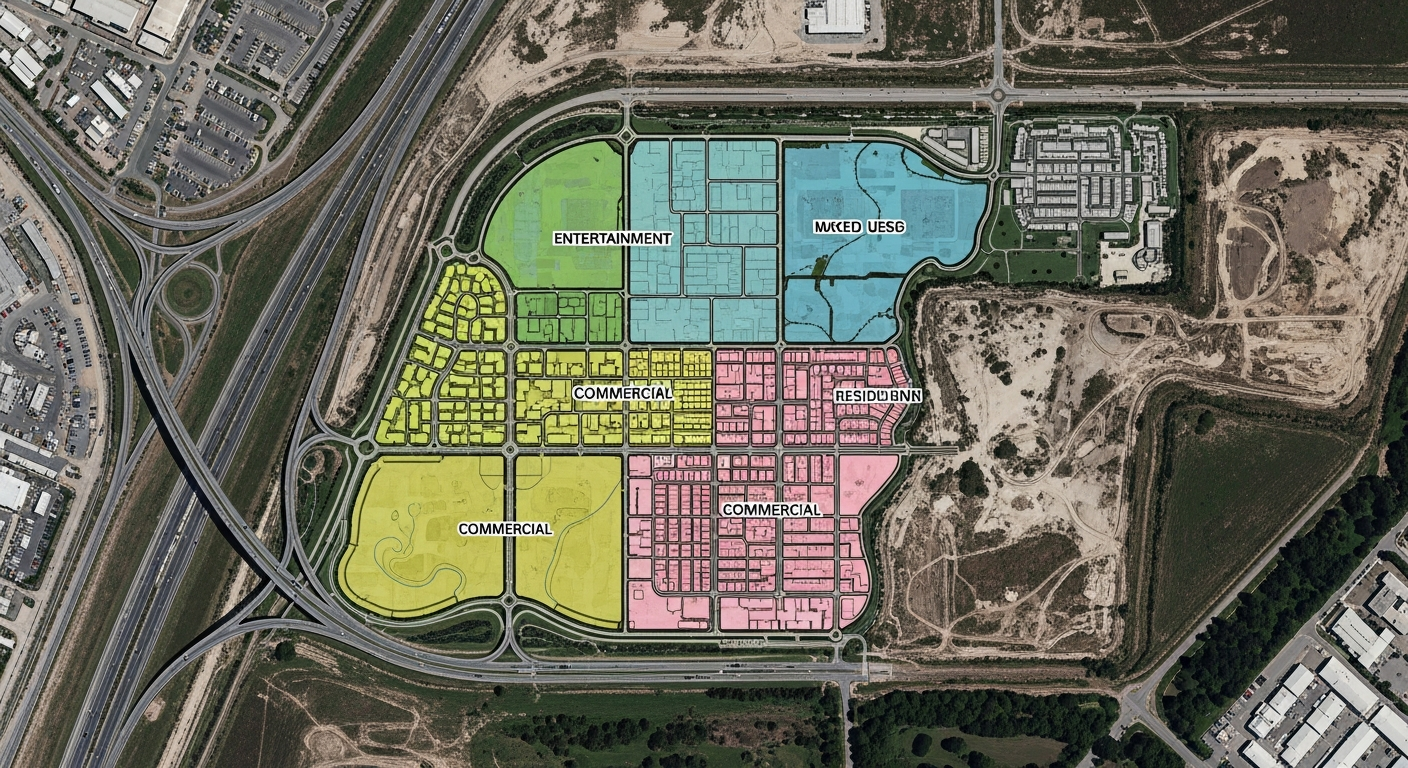
The Catalyst/Cascadia project, spearheaded by developer Martin Lind's Windsor-based Water Valley Company, promises a transformative landscape for west Greeley. Imagine an entertainment district buzzing with activity, new commercial arteries fostering economic vigor, and residential developments providing homes for a growing populace. Central to this vision is a state-of-the-art arena, slated to become the new roost for the Colorado Eagles AHL team starting the 2028-29 season, secured by a 40-year lease.
This isn't a modest proposal; it’s an audacious leap, aiming to redefine Greeley's economic and cultural footprint. Yet, like all grand visions, it comes with a price tag – a staggering $1.1 billion – and a tangle of public-private financing that has ignited fierce debate.
The Ballot Box Conundrum: 1A Explained
The immediate fate of Catalyst/Cascadia rests squarely on Ballot Issue 1A, a decision voters must make by 7 p.m. Feb. 24. This seemingly simple 'yes' or 'no' vote carries profound implications for zoning and future development:
-
A 'No' Vote: This outcome would affirm the Greeley City Council's previous approval of planned unit development (PUD) zoning for the property. PUD zoning is the master key for large-scale, integrated developments, providing a framework for complex projects like Catalyst/Cascadia. Upholding this zoning would, in theory, allow the project to proceed largely as planned.
-
A 'Yes' Vote: This is the disruptive option. A 'yes' would repeal the PUD zoning ordinance, reverting significant portions of the land to holding agriculture zoning. Crucially, a 'yes' vote also imposes a one-year moratorium on the city council, preventing them from re-voting to rezone the property for planned unit development. This isn't just a pause; it's a hard stop, forcing a year-long hiatus on any immediate legislative attempts to revive the project under a similar zoning scheme.
Developer's Dire Warnings vs. Opponents' Fiscal Fears
On one side stands Martin Lind, the project's driving force, articulating a grim future should Ballot 1A pass. Lind, deeply invested both financially and emotionally – as the owner of the Colorado Eagles – believes repealing the PUD zoning would not just hamper but likely "derail" the entire enterprise. He points to existing agreements, work already underway, and scheduled activities as irretrievable losses. "I think it would be a parade of horribles" if Ballot 1A passes, Lind ominously told the Coloradoan, highlighting the intricate web of commitments that underpin such a massive undertaking.

Conversely, opponents of the project present a starkly different narrative. Their primary concern revolves around the financing structure, which they contend offloads too much financial risk onto the shoulders of Greeley's residents. They view a 'yes' vote not as destruction, but as a much-needed reprieve – a chance for the city to pause, reassess, and perhaps negotiate a more fiscally responsible deal. This faction argues that the current plan is an unsustainable gamble, potentially burdening taxpayers with unforeseen costs and liabilities.
Public Sentiment: A City Divided
The public discourse surrounding Catalyst/Cascadia is a microcosm of the larger debate raging in communities grappling with rapid expansion and large-scale development.
-
Project Proponents: "This is our chance for Greeley to shine, to become a destination. We can't afford to let this opportunity slip away. The Eagles bring prestige, and the development brings jobs and amenities we desperately need. A 'no' vote is a vote for progress, for our future generations."
-
Project Opponents: "We need smart growth, not reckless development. The financial risks are too great, and the process feels rushed. We're being asked to rubber-stamp a project without proper transparency or safeguards for taxpayers. A 'yes' vote ensures we have time to get it right, to protect our community from potential financial ruin."
Conclusion: A Precedent-Setting Decision
The vote on Ballot Issue 1A transcends the specifics of zoning or even the Catalyst/Cascadia project itself. It is a critical examination of how Greeley wishes to manage its growth, balance ambition with caution, and empower its citizens in the face of colossal development. Regardless of the outcome, the decision on Feb. 24 will not be the final word. The specter of continued litigation looms large, ensuring that the legacy of Catalyst/Cascadia, whether as a monument to progress or a cautionary tale, will be debated and defined for years to come. Greeley is not just voting on a project; it is voting on its character, its prudence, and its future.