
Key Takeaways
-
Intensified Federal Presence: Starting in late 2025, DHS, ICE, and CBP significantly increased their operational footprint in Minneapolis.
-
Controversial Fatalities: Federal actions led to the deaths of two American citizens documenting ICE operations and protester Alex Pretti, shot by CBP agents.
-
Escalating Protests and Crackdowns: Civilian deaths triggered widespread protests, met by further federal enforcement and arrests.
-
Accountability Concerns: The events have ignited a national conversation about federal overreach, law enforcement accountability, and the rights of citizens and immigrants.
The Precipitating Events: Allegations and Initial Deployment
In late 2025, Minneapolis became the focus of a significant federal operation, with the Department of Homeland Security (DHS) and Immigrations and Customs Enforcement (ICE) deploying extensively across the Twin Cities. Triggered by fraud allegations reportedly amplified by a right-wing influencer, this intervention swiftly led to a sweeping immigration enforcement campaign. Within months, thousands of individuals, predominantly immigrants, were detained, sparking immediate alarm among local communities and advocacy groups over due process and human rights. This rapid federal escalation set a tense precedent for the region.
A Turning Point: Civilian Fatalities and Escalating Tensions
The situation violently escalated in January 2026. Two American citizens, reportedly documenting ICE operations, were killed under contested circumstances, intensifying public scrutiny. Weeks later, on January 24th, two Customs and Border Protection (CBP) agents fatally shot Alex Pretti, a local protester demonstrating at a prior incident site. Pretti's death immediately ignited widespread protests across Minneapolis, galvanizing activists and citizens and leading to confrontational clashes as federal agents maintained a robust presence.
Minneapolis Mobilizes: Protests and Federal Response
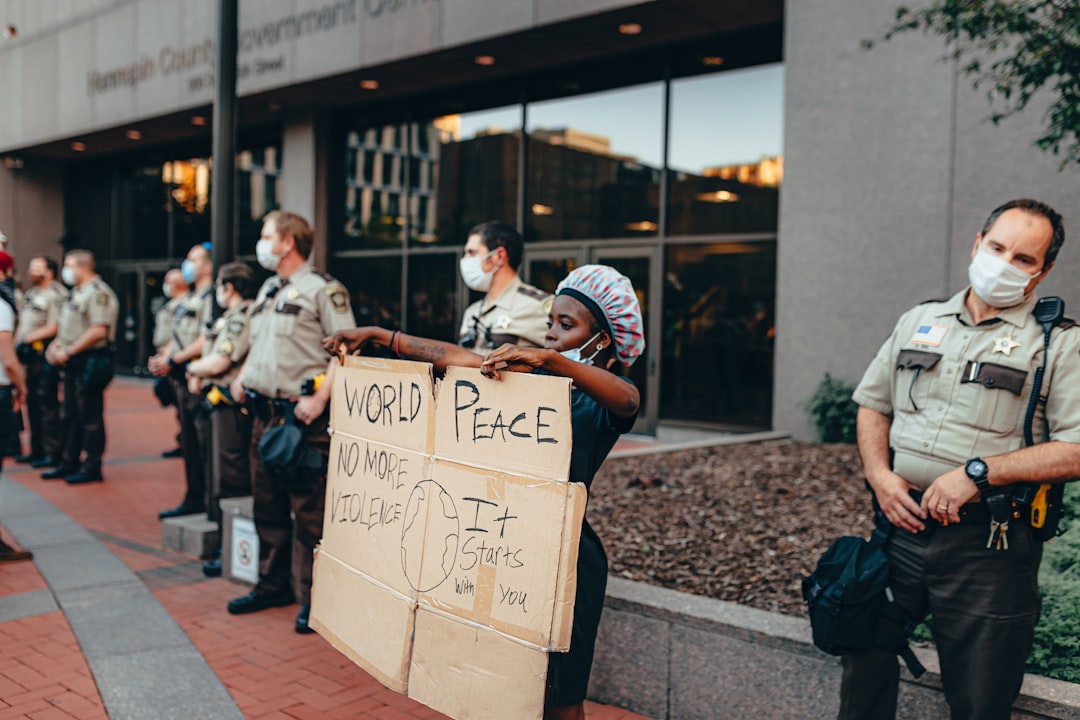
Alex Pretti's death propelled Minneapolis into continuous civil unrest. Residents, weary of the federal presence, protested in unprecedented numbers, demanding justice and accountability. DHS responded with a swift secondary crackdown, deploying specialized federal units to disperse demonstrators. Reports from civil liberties organizations detailed numerous arrests, some involving alleged excessive force, further entrenching the adversarial relationship between federal law enforcement and the populace, and fueling concerns about civil liberties.
Broader Implications: Rights, Authority, and Public Trust
These events in Minneapolis carry significant national implications, fueling debate on federal authority in immigration enforcement and citizens' rights to protest and observe government actions. The fatalities and crackdowns raise critical questions about engagement rules for federal agents domestically, operational transparency, and accountability mechanisms. Critics view federal actions as disregarding constitutional protections and local sovereignty, while agencies cite national security. However, the specific context — influencer allegations leading to civilian deaths — places these justifications under intense scrutiny.
Public Sentiment
Public sentiment in Minneapolis and nationally remains deeply concerned, often outraged. A local community leader stated, "This isn't about immigration anymore; it's about basic human rights and accountability," a sentiment echoed by many grieving residents. Civil liberties organizations condemned the federal response, citing a "dangerous precedent" for civil discourse in America. Federal statements, typically generalized, have focused on lawful duty and personnel safety without directly addressing specific misconduct allegations, exacerbating public mistrust.
Conclusion
The ongoing situation in Minneapolis serves as a stark illustration of the volatile intersection between federal immigration enforcement, civil liberties, and community trust. What began as an operational response to fraud allegations has metastasized into a crisis marked by fatalities, widespread protests, and a heavy-handed federal presence. The events resonate nationally, prompting conversations about federal power, civilian protection, and the right to dissent. Calls for independent investigations and clear accountability mechanisms grow louder, underscoring the urgent need to address the human cost of escalating federal actions and restore public confidence.