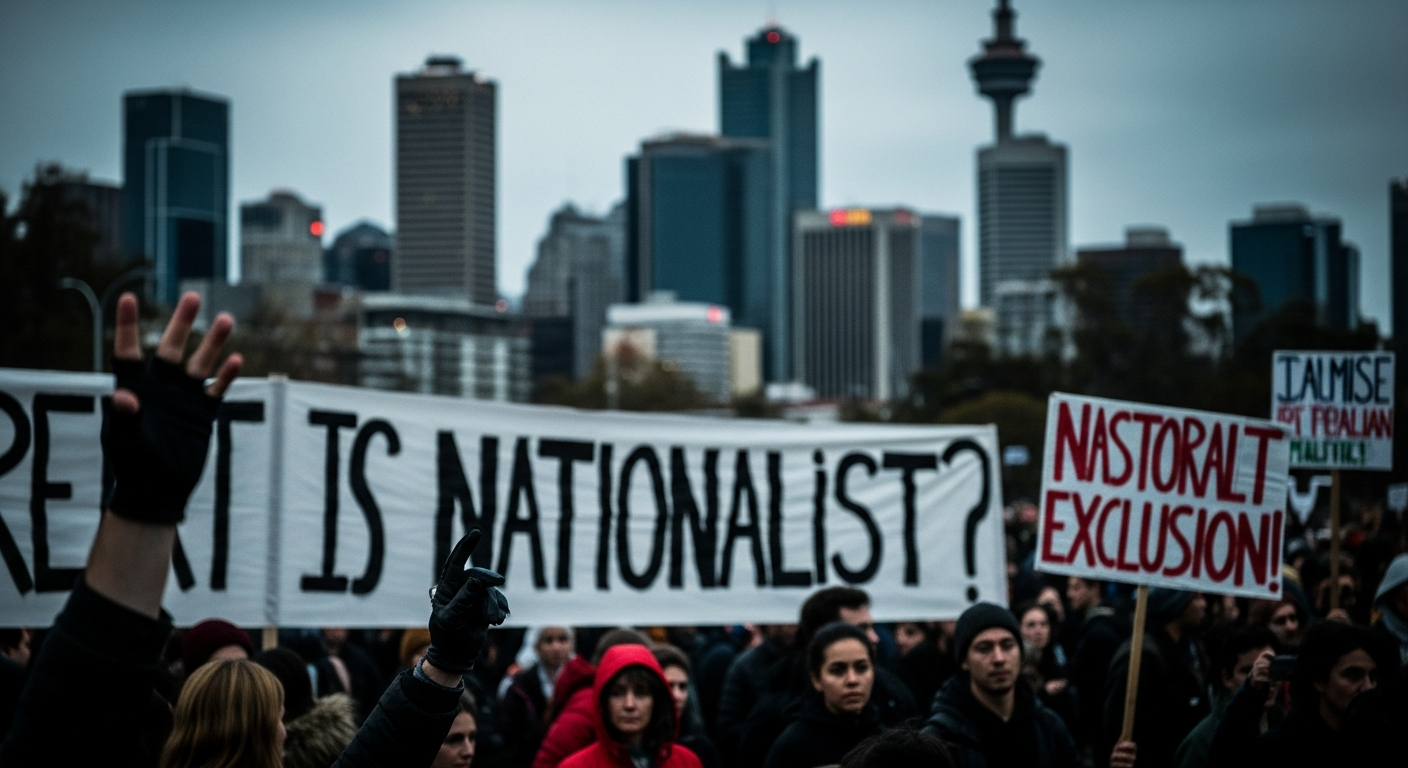
The picturesque image of a multicultural Australia is being increasingly challenged by a disturbing undercurrent of organised xenophobia. The "March for Australia" protests, which swept across major cities on August 31 and October 19, 2025, initially framed themselves as a civic expression of discontent over immigration levels. However, investigations by leading Australian media outlets like ABC News and The Age have unequivocally exposed their true nature: a carefully constructed facade for far-right and white nationalist ideologies, with chilling implications for communities, particularly the burgeoning Indian diaspora.
Key Takeaways:
-
Covert Extremism: Rallies masqueraded as immigration concerns but were orchestrated by individuals and groups with documented ties to Neo-Nazi and white nationalist organisations, including the National Socialist Network.
-
Coded Language: Organisers employed strategic rhetoric, moving from "protecting Australian heritage" to "protecting white heritage" to mainstream extremist ideas, betraying their true exclusionary agenda.
-
Threat to Multiculturalism: These protests fundamentally challenge Australia's identity as a diverse nation, sparking significant anxiety and concern among migrant communities.
-
Indian Community Impact: The events directly undermine the sense of security and reciprocity for Indian immigrants, who are significant contributors to Australia's economy and culture.
The Facade of Nationalism: Unmasking the 'March for Australia'
While promoted by figures like One Nation leader Pauline Hanson and federal MP Bob Katter, the core organising force behind the "March for Australia" rallies revealed a much darker agenda. What began with calls to address "mass immigration" quickly unraveled to expose links to deeply entrenched white supremacist narratives. The rally's website, for instance, initially championed "remigration" – a far-right concept advocating the forced deportation of non-European peoples. Though swiftly removed, its brief appearance was a stark indicator of the underlying ideology. These were not mere protests about policy; they were an insidious attempt to push a racialised agenda under the guise of national concern.
Coded Language and the Embrace of Extremism
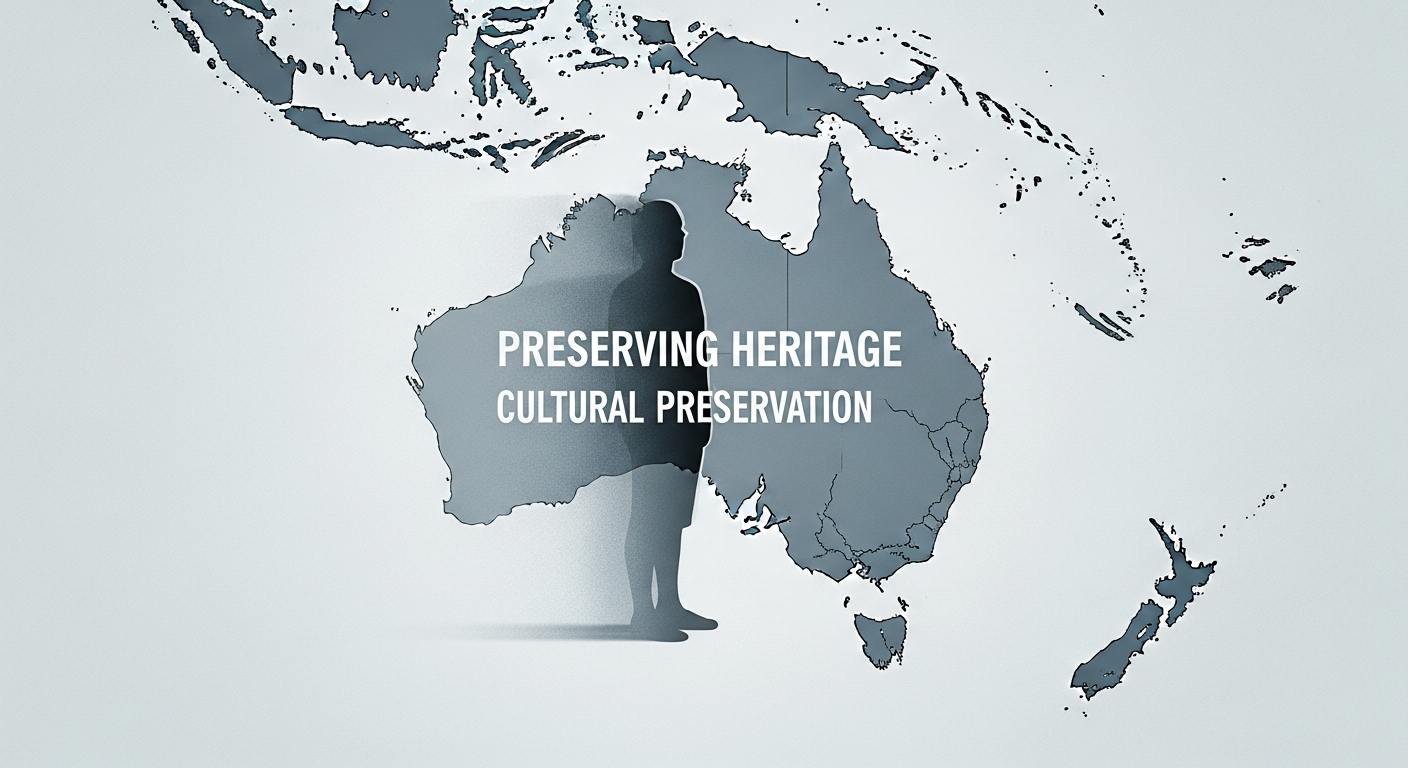
The strategy employed by organisers, particularly the pseudonymous figure "Bec Freedom," was disturbingly transparent. Freedom, captured in a recording calling for "f—ing violence," later described a method for "covertly introduc[ing] far-right ideas" to the mainstream. Her step-by-step articulation—from "protect Australian heritage" to "protect European culture" to "protect white heritage"—reveals a calculated attempt to normalise white supremacist thought by cloaking it in palatable nationalist language. This deliberate obfuscation, as noted by extremism researcher Kaz Ross, is a classic tactic reflecting ties to "remigration" and "the great replacement" theories, both hallmarks of white supremacist ideology. The direct involvement of neo-Nazi groups like the National Socialist Network further solidifies the extremist nature of these rallies, making it clear that they aimed to exploit legitimate concerns to advance a "much deeper, hate-filled, racist agenda," as articulated by political sociologist Joshua Roose.

A Chilling Message for Australia's Indian Diaspora
For the Indian community in Australia, these protests resonate with particular alarm. Indians are one of Australia's largest and most vibrant immigrant groups, contributing immensely to the nation's economy, innovation, and cultural tapestry. The sentiment, "How does it affect Indians in Australia is major point. India helps them build & they are not reciprocating," cuts to the heart of the matter. When calls for "protecting Australian heritage" become thinly veiled demands for ethnic purity, it directly questions the safety, belonging, and future of these communities. The silence or equivocation from parts of the political establishment in the face of such clear extremism only amplifies these fears, creating an environment where a significant immigrant population feels increasingly vulnerable and unacknowledged for their contributions.
Public Sentiment: A Spectrum of Concern
The widespread media attention garnered by the protests highlights the deep divisions and anxieties within Australia. Migrant community groups have expressed profound concerns, fearing that such open displays of xenophobia could embolden further discrimination. Researchers and commentators have been quick to label the protests for what they are: manifestations of far-right and white nationalist extremism. The initial estimates of over 50,000 attendees and counter-protesters also underscore the societal friction generated by these events. Many Indians, having built lives and families in Australia, now grapple with the disquieting reality that their adopted home may harbor significant elements hostile to their presence, despite their invaluable contributions.
Conclusion
The "March for Australia" protests are not merely an expression of legitimate policy debate; they are a dangerous symptom of entrenched white nationalism gaining public visibility. The cynical use of nationalistic slogans to mask an exclusionary, and at times violent, ideology poses a severe threat to Australia's celebrated multicultural identity. For India, a crucial partner that has helped "build" modern Australia, these events are a critical test of reciprocity and shared values. It is imperative that Australian society, its government, and its institutions unequivocally condemn and actively counter these extremist narratives, ensuring that all its citizens, regardless of their heritage, can feel safe, valued, and truly belong in the land they call home.