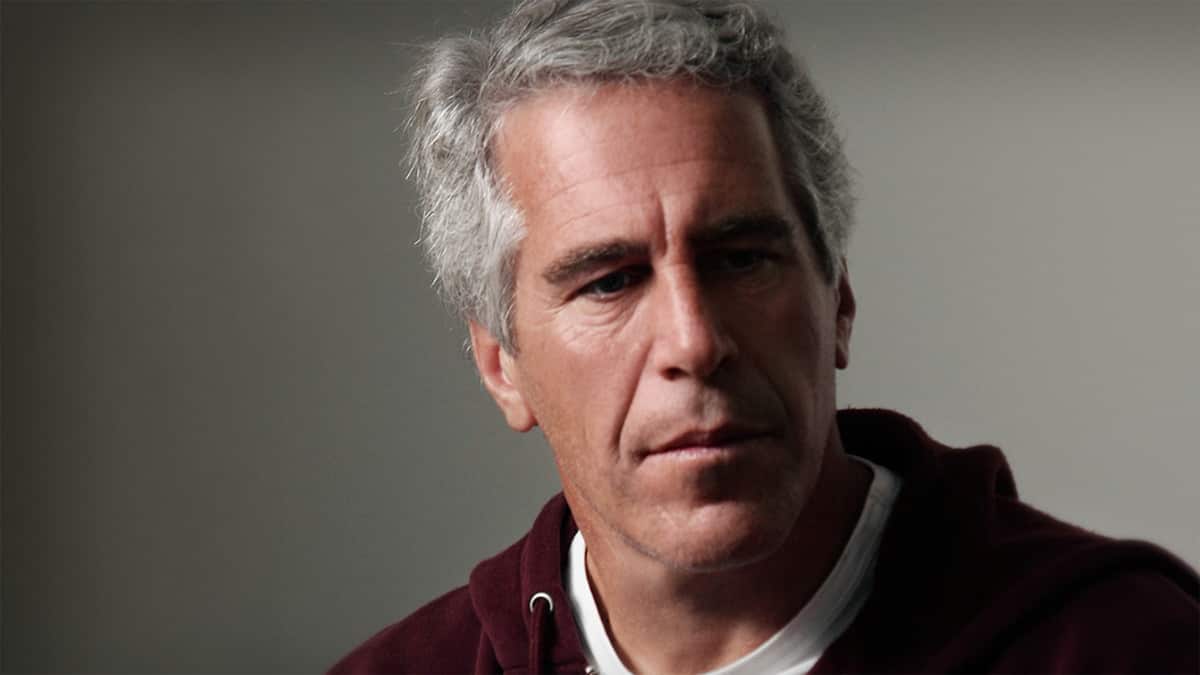
For a fleeting moment last year, the spectre of Jeffrey Epstein’s dark empire threatened to resurface, unnerving presidents, electrifying critics, and providing endless fodder for the tabloids. However, just as the embers began to glow, they were swiftly doused. Pam Bondi, Attorney General and unwavering loyalist to Donald Trump, ensured that on January 30, the flames were smothered—at least, until 2028.
The Epstein Files Transparency Act, enacted on November 18, 2025, mandated the release of all unclassified, searchable, and downloadable records pertaining to Epstein within 30 days. This included a requirement for the DoJ to provide an unredacted list of government officials and politically exposed persons to both House and Senate Judiciary Committees. Yet, what has transpired is a masterclass in obfuscation, revealing a Department of Justice seemingly more committed to shielding the powerful than delivering justice.
Key Takeaways:
-
The DoJ released approximately 3.5 million heavily redacted pages, despite acknowledging the existence of at least 6 million potentially responsive documents.
-
Excuses for withholding files included duplicates, unrelated materials, depictions of violence, attorney-client privilege, and victim protection, with critics alleging these were selectively applied.
-
Numerous serious allegations against Donald Trump, ranging from sexual abuse to involvement in 'calendar girls' auctions, surfaced amidst the releases, often followed by DoJ attempts to downplay or remove the evidence.
-
The DoJ's shifting explanations for file removals and its 'safeguarding' statements regarding Trump's alleged innocence have further eroded public trust.
-
The Act's loopholes, particularly regarding 'national defence or foreign policy,' appear to be exploited, given Epstein's documented, suspicious connections to international intelligence and political figures.
-
Senior DoJ officials, including AG Pam Bondi and deputy Todd Blanche, are implicated in orchestrating the selective release and redaction process, with Blanche inadvertently confirming a cover-up.
The Illusion of Transparency: Millions Missing, Millions Redacted
The DoJ claims to have released around 3.5 million pages under the Act, a figure dwarfed by their own acknowledgment of over 6 million pages in existence. The remaining documents, per Todd Blanche, Bondi’s deputy, will not see the light of day. Excuses range from duplicates and unrelated materials to depictions of violence and attorney-client privilege. While some reasons, like protecting victims and child sex abuse material, are understandable, critics argue their broad application serves a more sinister purpose.

Curiously, the DoJ memo concluded that there was 'no credible evidence' of Epstein blackmailing prominent individuals and, most illogically, 'no incriminating 'client list''. This strains credulity, particularly given widespread allegations of Epstein's blackmail tactics and the common-sense expectation of a 'client list' for such an enterprise. This selective blindness hints at a deliberate effort to sanitize the narrative.
The Trump Card: Allegations and Disappearing Evidence
The files have cast an unwelcome spotlight on Donald Trump, with multiple, severe allegations surfacing. These include a 'Katie Johnson' accusing Trump of rape at Epstein's Manhattan home in 1994, Sarah Ransome's allegations of Trump having sex with 'many girls', and a 13-14-year-old's claim of sexual abuse at his hands in New Jersey, with the friend allegedly biting Trump. Another shocking allegation recounted Epstein bringing 'children in and Trump would auction them off' at Mar-a-Lago 'calendar girls' parties, naming guests like Elon Musk and Trump's children. Furthermore, a limousine driver's account detailed overhearing Trump discussing 'abusing some girl' with 'Jeffrey' in 1995, followed by the alleged rape victim's suspicious death.
Each time such information emerged, the DoJ's actions bordered on farcical. An FBI spreadsheet detailing new allegations against Trump briefly vanished from the DoJ's website, only to be reuploaded after public outcry, with the department blaming 'overload.' Later, it disappeared again, replaced with a 'Page not found' message, before eventually reappearing. The DoJ then issued press releases containing 'safeguards' against Trump, asserting that some claims were 'untrue and sensationalist,' submitted 'right before the 2020 election' and were 'unfounded and false.' This desperate defence stands in stark contrast to their purported neutrality.
Adding to the controversy, 16 files, including a photo of Epstein's desk featuring a picture of Trump with women, were quietly removed by the DoJ. Bondi's deputy, Todd Blanche, initially denied redacting information about Trump, then defensively backtracked on whether the women in the photo were victims. This selective approach was glaringly obvious when compared to the handling of a photo of Bill Clinton in a hot tub with a redacted-face woman, which was kept, with the DoJ classifying her as 'a victim.'
A Web of Complicity: Beyond Trump
The DoJ's credibility took another hit with the handling of a handwritten letter from Epstein to notorious paedophile Larry Nassar. The letter, postmarked after Epstein’s death, alluded to Trump's shared 'love of young, nubile girls' and Epstein's suicide plans. Initially, the DoJ posted they were verifying its validity, then, without documentation, declared it fake and removed it. The peculiar handling raised questions about whether it was deliberately released to bolster the suicide narrative before being deemed too problematic.
The very Act meant to ensure transparency contained gaping loopholes. The condition to release only 'unclassified' records, and to withhold information related to 'national defence or foreign policy,' seems absurd when applied to a serial paedophile. Yet, Epstein’s indirect involvement in the Iran-Contra scandal and his 'diplomatic' dealings with figures like Ehud Barak, and security agreements with nations like Côte d'Ivoire and Mongolia, underscore a disturbing level of complicity across multiple administrations. The files even contain an allegation of a purported Epstein male victim being 'also raped by George Bush 1' (Sr. or Jr. unspecified).
Furthermore, the infamous 'deal of the century' struck by Alex Acosta, then-top prosecutor and later Trump's labour secretary, granted Epstein and 'any potential co-conspirators' immunity, effectively burying a multitude of crimes. The involvement of the DoJ's National Security Division (NSD) in redacting files – a division whose mission is protecting national security, not handling sex crimes – adds another layer of suspicion, suggesting a concerted effort to protect sensitive political and intelligence connections, not merely victims.
The Art of Redaction and the Silence of Power
Bondi and her team have wielded the Act’s conditions like a scalpel, meticulously removing or heavily redacting any material deemed inconvenient. Todd Blanche’s inadvertent admission, 'I don’t think the public is going to uncover men within the Epstein files that abused women, unfortunately,' speaks volumes, implicitly confirming that the heavy redactions are indeed a cover-up designed to shield the wealthy and powerful.
The promise of 'notable individuals and politicians' remaining unredacted has been a hollow one. While the Act allows for victim protection, the redaction of the names of powerful abusers is an unlawful subversion of its intent. Congress, with its bipartisan initial unity, now seems unlikely to challenge the DoJ effectively, especially in an election year.
Public Sentiment
The public outcry over the selective release of Epstein files continues to mount, with critics lambasting the Department of Justice for what many perceive as a blatant effort to shield the powerful. 'It's a slap in the face to every victim,' stated one legal observer, echoing sentiments across social media platforms where users meticulously documented the DoJ's disappearing documents. Victims' advocates express profound disappointment, with one attorney noting, 'The promise of transparency has been utterly betrayed; they're burying the evidence, not just the names.' There is a palpable sense of injustice, with many convinced the truth is being actively suppressed for political expediency.
Conclusion
As long as Pam Bondi holds the reins as America's chief law enforcement officer, the remaining Epstein files are destined to remain buried, much like Epstein's own ashes. Even a change in administration in 2028 offers little hope, given the deep-seated political implications and the potential involvement of figures across the political spectrum. The 'Rusty Tablet' asserts that the DoJ’s actions have not only subverted the spirit of the Epstein Files Transparency Act but have also served as a profound disservice to the victims, whose cries for justice continue to be silenced by the deliberate machinations of power. The men who committed horrific crimes against these victims may never truly be brought to book, leaving a stain on the integrity of the American justice system that will be difficult to erase.