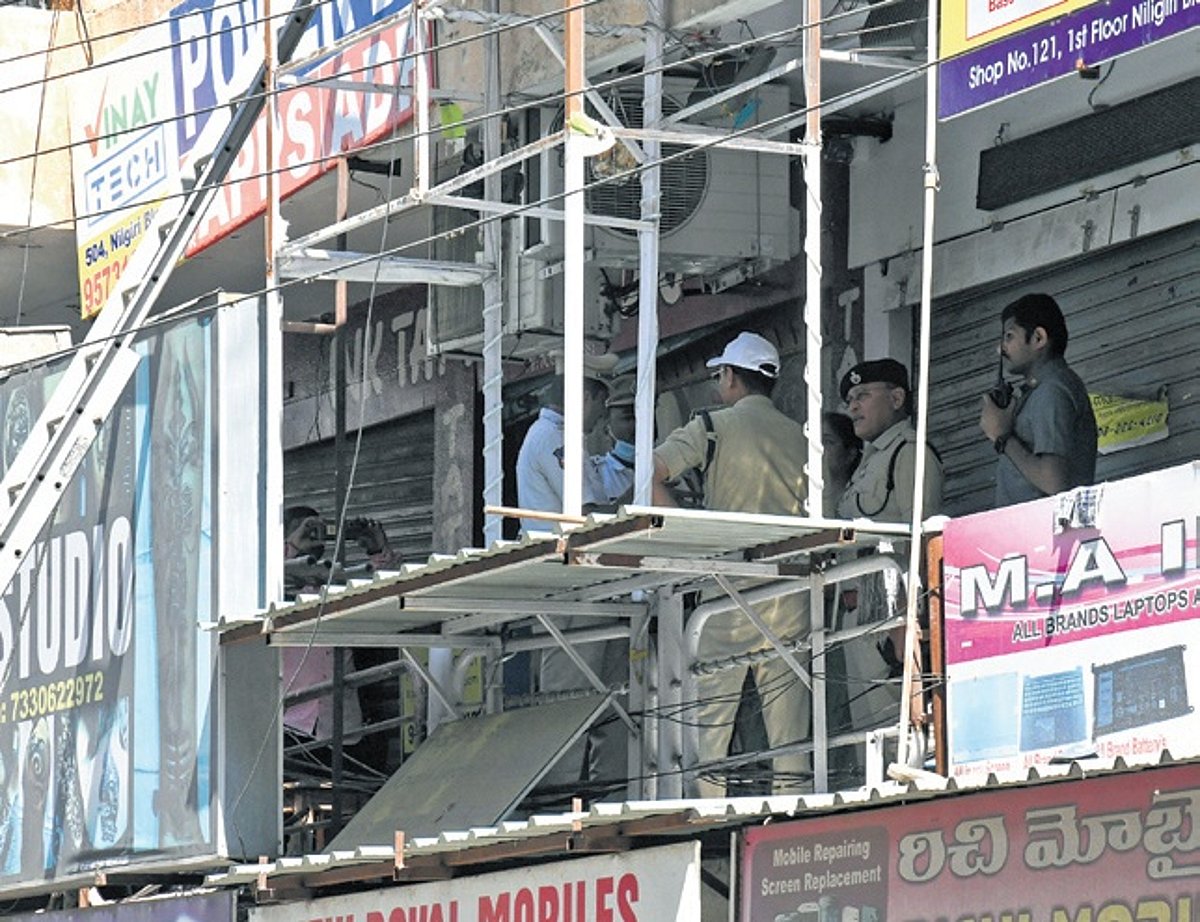
HYDERABAD, India – The thick plume of smoke curling from Aditya Enclave in Maitrivanam, Ameerpet, last Friday morning was more than just a visible sign of a building on fire; it was a potent symbol of the glaring deficiencies in urban safety protocols and regulatory enforcement that plague India's rapidly expanding cityscapes. A short circuit in a power supply panel, a prosaic cause, sparked a terrifying scene of panic, rescue, and a chillingly narrow escape from potential catastrophe. While the absence of casualties is a tremendous relief, it offers no absolution for the systemic failings this incident brought to the fore.
[FEATURED]
Key Takeaways:
-
Systemic Vulnerability: The fire highlights inherent risks in densely packed commercial and educational zones where old infrastructure meets high human density.
-
Regulatory Enforcement Gaps: Despite existing fire safety codes, their implementation and regular auditing appear woefully inadequate, especially in multi-occupancy buildings.
-
Economic & Social Impact: Beyond immediate danger, such incidents disrupt education, impact livelihoods, and erode public trust in urban infrastructure.
-
Emergency Preparedness: While responders acted swiftly, the panic underscores the need for robust evacuation drills and readily accessible safety exits.
-
Accountability Deficit: The focus must shift from merely reporting incidents to holding building owners, facility managers, and regulatory bodies accountable for compliance.
The Unspoken Costs of Urban Congestion
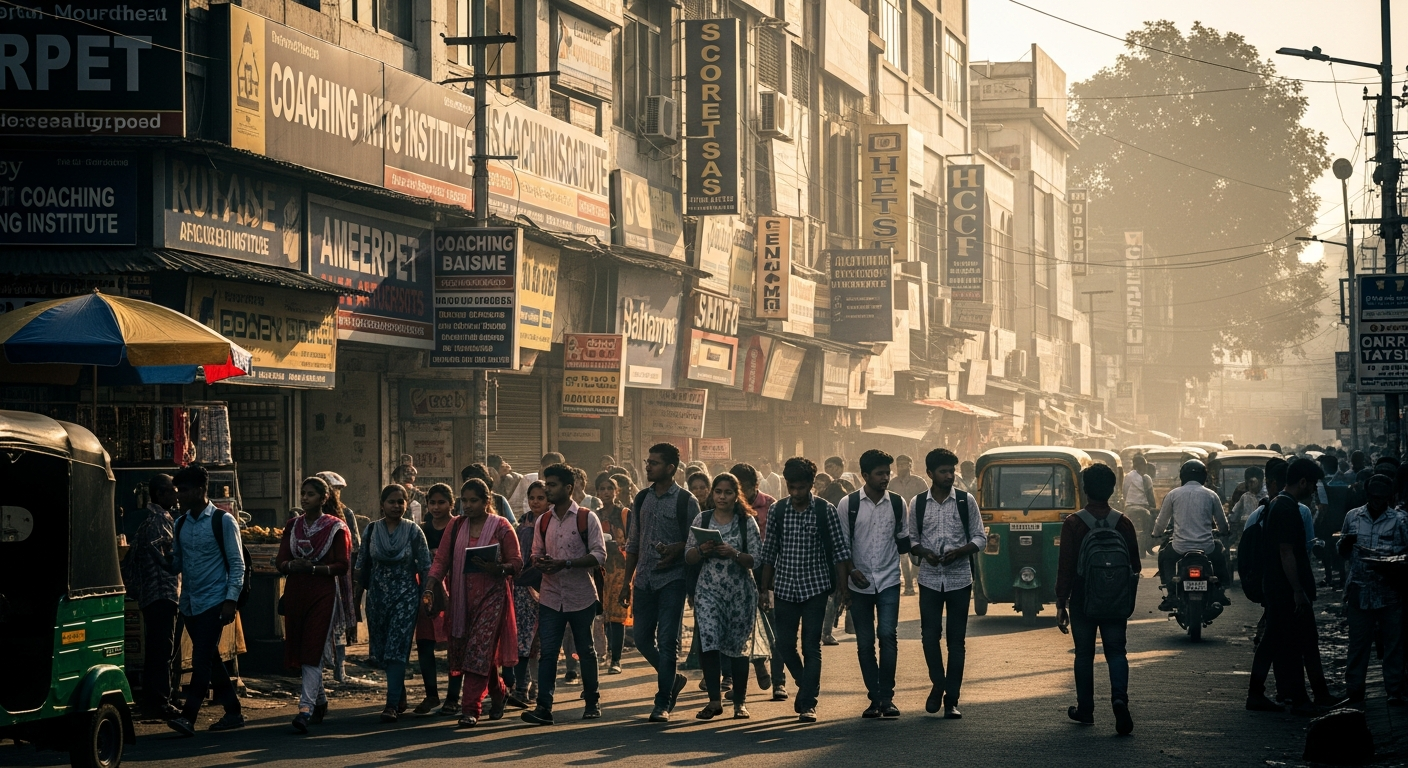
Ameerpet, much like similar coaching hubs across India, represents a peculiar confluence of aspiration and enterprise. Thousands of students from varied socio-economic backgrounds flock here, drawn by promises of academic advancement. Buildings like Aditya Enclave are repurposed, extended, and crammed to maximise commercial utility, often at the expense of safety norms. The 'Nilagiri block' where the fire originated, housing multiple coaching institutes, embodies this model – a vibrant economic engine, but one operating with critical structural vulnerabilities.
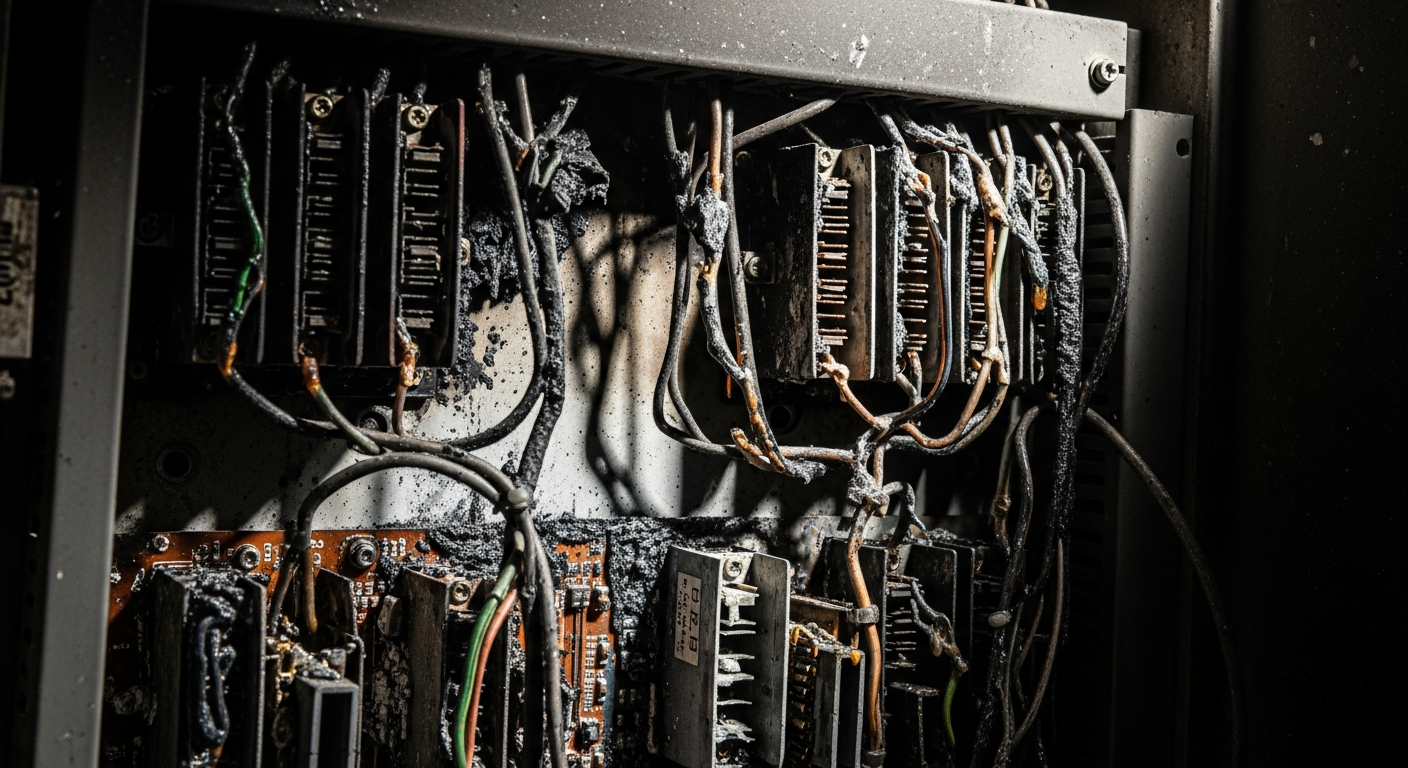
The official cause – a short circuit at a power supply panel – is alarmingly common. It points directly to potentially outdated wiring, overloaded circuits, or shoddy electrical maintenance. In an era where air conditioning units, computer labs, and digital learning tools draw immense power, the electrical infrastructure of many older buildings, or even newer ones built with cost-cutting in mind, is simply not equipped to handle the sustained load. This isn't just an isolated technical fault; it's a symptom of a larger indifference to crucial safety upgrades and routine inspections. The immediate directive to shut down shops in the building, while prudent, speaks volumes about the extent of the underlying hazard.
Regulatory Lacunae and Enforcement Challenges
India has a plethora of building codes and fire safety regulations. The problem, as repeatedly demonstrated, lies in their enforcement. Are these multi-tenant commercial complexes regularly inspected for fire safety compliance? Are fire exits clear and functional? Are emergency alarms adequately maintained? The collective sigh of relief that no casualties were reported should not mask the uncomfortable truth that this outcome was likely more a stroke of luck and swift response from individuals like traffic inspector G Sanjeev and local personnel, than a testament to robust preventative measures.
Regulators and municipal bodies face immense pressure, often battling understaffing, corruption, and political interference. However, the cost of inaction is tragically high. Every fire incident, big or small, chipping away at public confidence, serves as a grim reminder that human lives cannot be sacrificed at the altar of unchecked development. A genuine commitment to safety would involve proactive audits, severe penalties for non-compliance, and perhaps most importantly, transparency in reporting safety standings of commercial establishments.
Public Sentiment: A Mix of Relief, Frustration, and Demand for Accountability
The immediate aftermath saw an outpouring of relief mixed with simmering anger and profound concern across social media and local discussions.
-
Parents & Students: "My daughter was there. The thought of what could have happened is terrifying. How can we send our children to these places if they aren't safe? There must be stricter checks." – An anxious parent.
-
Local Businesses: "We rely on these coaching centres for our livelihood. But every time something like this happens, it affects business. We need a safer environment for everyone." – A tea stall owner.
-
Citizens: "Another fire, another 'short circuit'. It's always the same story. When will someone be held accountable? Hyderabad is growing, but are we sacrificing safety for speed?" – A concerned citizen on social media.
-
Educators: "Safety drills are rare. We're often just told to manage if something happens. There's a severe lack of training for staff and students on emergency protocols." – An anonymous instructor.
These sentiments converge on a single, urgent demand: accountability and preventative action, not just reactive responses.
The Path Forward: From Reaction to Proaction
The Ameerpet fire should serve as a definitive inflection point. It is imperative for city planners, regulatory bodies, building owners, and even the occupants themselves to collectively invest in a culture of safety. This includes:
-
Mandatory, Transparent Safety Audits: Regular, unannounced inspections with public reporting of compliance levels.
-
Infrastructure Upgrades: Prioritising the replacement of outdated electrical systems and ensuring adequate fire suppression equipment.
-
Emergency Preparedness: Compulsory fire drills, clear evacuation routes, and accessible emergency contact information in all public and commercial buildings.
-
Public Awareness Campaigns: Educating students, staff, and the general public on immediate actions during emergencies.
-
Stricter Penalties: Imposing heavy fines and even temporary closures for repeated non-compliance.
Hyderabad, a beacon of India's technological and educational aspirations, cannot afford to compromise on the safety of its citizens. The smoke from Ameerpet must dissipate not into forgetfulness, but into a renewed resolve to build a safer, more resilient urban future. The 'Rusty Tablet' stands firm in its conviction that public safety is not a negotiable luxury but a fundamental right, one that demands unwavering vigilance and uncompromising enforcement.