
Key Takeaways
-
The farmer's suicide underscores the extreme vulnerability of agricultural communities to sophisticated land fraud.
-
The existence of video evidence and named accused demands swift, transparent legal action and accountability.
-
The incident exposes deep flaws in India's land records management and legal redressal mechanisms.
-
Systemic reforms, including digitization of land records and expedited justice, are critical to prevent further tragedies.
-
Beyond individual perpetrators, governmental and administrative negligence in safeguarding land rights must be addressed.
The Unraveling Trust: A System Under Siege
In a nation where land is often a farmer's sole inheritance, a symbol of their identity, and their only source of livelihood, the alleged Rs 4-crore land fraud in Uttarakhand is an act of economic castration. The subsequent suicide of the farmer, who reportedly shot himself, is a devastating consequence of a system that often fails its most vulnerable. It speaks to a profound erosion of trust in the institutions meant to protect citizens – the police, the judiciary, and the land administration. When a farmer, after exhausting all avenues, sees no recourse but to end his life, it is not merely a personal tragedy; it is a societal breakdown.
It signals that the very fabric of justice has frayed, leaving individuals exposed to predatory elements who operate with impunity, confident in the labyrinthine complexities and delays of the legal system.
A Cry for Justice, Silenced: The Weight of a Dying Declaration
The most chilling aspect of this case is the farmer's video testament, explicitly naming those who allegedly defrauded him. This is not a murky case of circumstantial evidence; it is, in essence, a dying declaration, a final, desperate plea for justice from beyond the grave. Such evidence places an immense moral and legal burden on the authorities. The speed and thoroughness with which this case is investigated and prosecuted will serve as a litmus test for the state's commitment to justice, particularly for its agrarian population. Any delay, obfuscation, or perceived leniency towards the accused will not only be an affront to the deceased but will send a dangerous message across the country: that those with power and connections can orchestrate elaborate frauds and escape consequence, even when confronted with irrefutable proof.
The Precariousness of the Plough: India's Agrarian Vulnerability
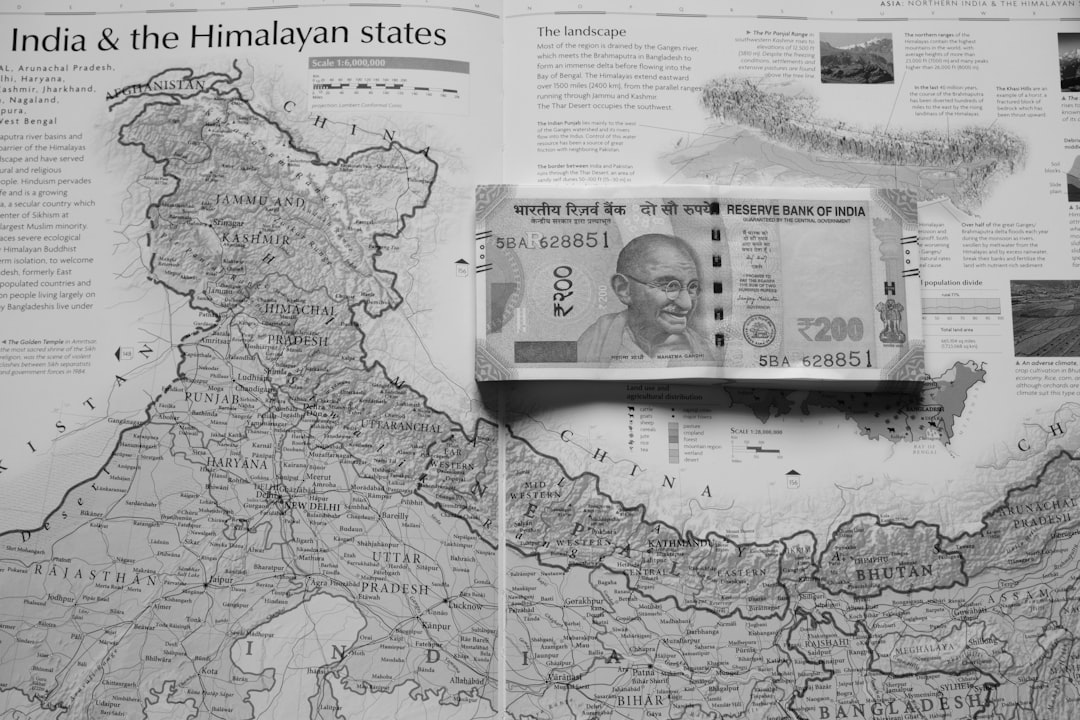
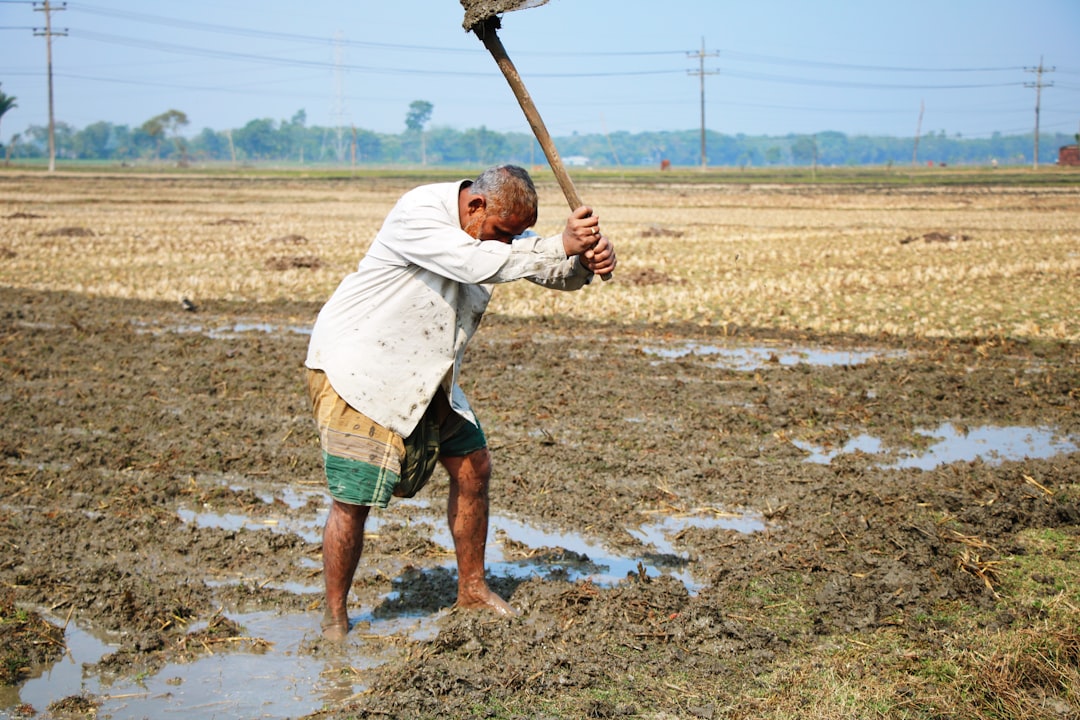
This incident is not an anomaly but a chilling echo of countless land disputes and frauds that plague rural India. Farmers, often less educated about legal intricacies and bureaucratic processes, are easy prey for unscrupulous individuals who exploit loopholes, forge documents, and manipulate land records. The land ownership system in India, with its archaic paper records, multiple claimants, and lack of digital integration, is ripe for exploitation. This vulnerability, coupled with the immense financial strain of agriculture, pushes farmers to the brink. A land fraud of Rs 4 crore is not just a financial loss; it's a decimation of a family's present and future, a violent snatching of their dignity and survival.
The state's failure to modernize and secure land records effectively is a silent accomplice in these tragedies.
Beyond the Grave: Demanding Accountability and Reform
The Rusty Tablet demands immediate and decisive action. The accused named in the farmer's video must be swiftly apprehended and brought to justice through a fast-tracked trial. But this cannot be the end of the story. This tragedy must serve as a catalyst for systemic reform. We need:
-
Expedited Land Record Digitisation: A comprehensive, tamper-proof digital registry for all land parcels, integrated with Aadhaar, is non-negotiable.
-
Specialised Land Tribunals: Dedicated courts to resolve land disputes swiftly, preventing decades-long legal battles.
-
Enhanced Legal Aid for Farmers: Free, accessible, and effective legal counsel for farmers facing land fraud or disputes.
-
Accountability for Officials: Strict penalties for administrative staff found complicit in land frauds or negligent in their duties.
Public Sentiment
The public reaction to such incidents is typically a mix of profound grief, seething anger, and a desperate call for justice. "How many more farmers must die before the government truly acts?" one widely shared sentiment might ask. Another could reflect deep disillusionment: "The rich get richer, and the poor lose everything, even their lives." There is a palpable sense of betrayal, with many demanding swift punishment for the perpetrators and an overhaul of a system perceived as rigged against the common man.
Conclusion
The farmer's suicide in Kathgodam is a loud, agonizing scream from the heart of rural India. It is a clarion call for a society that claims to venerate its 'Annadatas' (food providers) to finally deliver them justice and protection. The time for platitudes is over. Only a robust, transparent, and responsive legal and administrative framework can prevent such soul-crushing despair. India owes it to this fallen farmer, and to every farmer toiling on its soil, to ensure that land, their lifeblood, is never again stolen, and that justice is not merely a distant dream, but a tangible reality.