
The Royal Australian College of GPs (RACGP) has once again thrown down the gauntlet, urging the Western Australian Government to step up and safeguard its youngest and most vulnerable citizens. Their demand is clear: make the life-saving meningococcal B vaccine free for babies and teenagers. This isn't a new plea; it’s a re-escalation fueled by an alarming statistic: 13 cases and one death in 2025 alone, with four more cases already emerging between December 2025 and January 2026. These are not mere numbers; they represent shattered families and futures irrevocably altered by a disease that, while rare, is devastatingly swift and brutal.
Key Takeaways:
-
High Risk, High Cost: Meningococcal B is a severe, rapidly progressing disease, yet its vaccine (MenB) costs approximately $140 out-of-pocket in WA, unlike other funded meningococcal strains.
-
Health Equity Gap: The cost barrier disproportionately affects low-income families, making protection dependent on financial capacity, not medical need.
-
Proven Success Elsewhere: South Australia, Queensland, and the Northern Territory have successfully implemented free MenB vaccination programs, significantly cutting infection rates.
-
Deadly Consequences: Meningococcal B accounts for over 80% of all meningococcal cases and can lead to death in 5-10% of patients, with one in five survivors suffering long-term disabilities like brain damage or hearing loss.
-
Public and Expert Consensus: Medical professionals, patient advocates, and parents overwhelmingly support government funding for free MenB vaccines.
The Unacceptable Cost of Protection
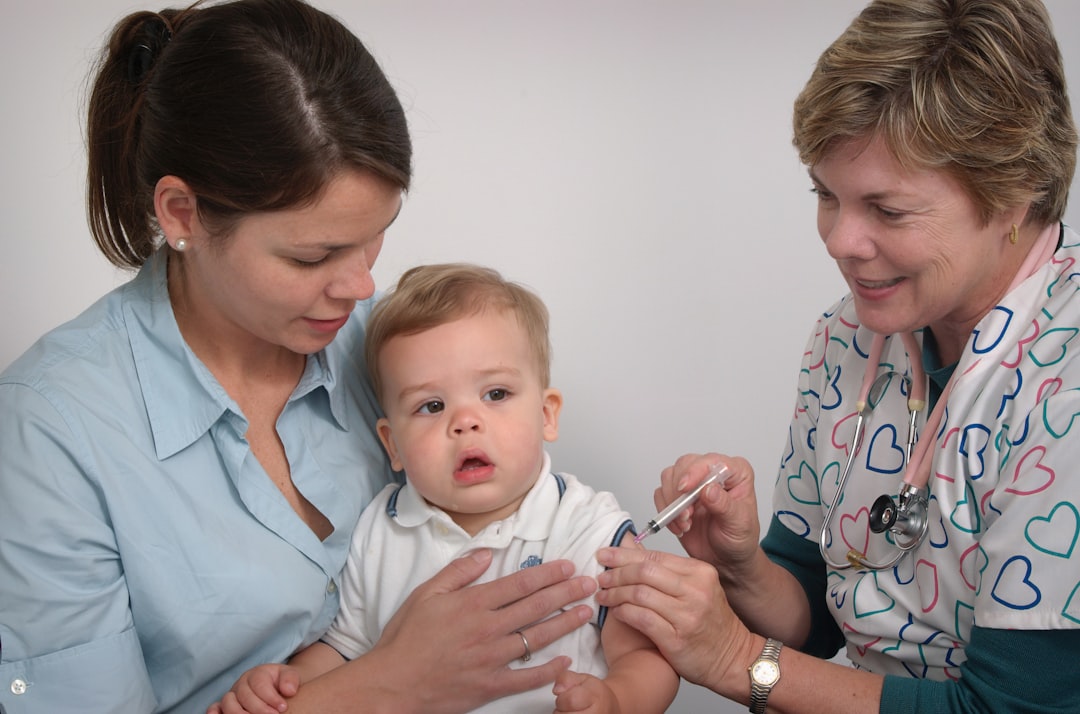
At the heart of this urgent appeal lies a stark reality: protection against meningococcal B comes with an unforgivable price tag for WA families. While the MenACWY vaccine, covering other strains, is part of the National Immunisation Program, the MenB vaccine remains unfunded. This means a direct out-of-pocket expense of around $140 for parents seeking to protect their children aged two and under, and teens aged 15-19 – the two most vulnerable groups.
RACGP Vice President Dr. Ramya Raman minced no words. "We have a vaccine for meningococcal B, but it costs around $140. Breaking this cost barrier will get shots in arms. Out-of-pocket costs shouldn't prevent parents from protecting their children." Her sentiment echoes a fundamental principle of public health: access to life-saving measures should never be dictated by one's ability to pay. For many families, $140 per child is not a trivial sum; it's a choice between protection and other essential needs, a choice no parent should ever have to make.
A Preventable Tragedy: The Human Cost
Meningococcal B is a sinister threat. It’s rare, yes, but its progression is terrifyingly rapid, often leading to death or permanent, life-altering disabilities within days. Stacey Chater, whose 23-year-old son Brayden tragically succumbed to the disease in 2022, shared a harrowing account. "Within a day, Brayden went from managing a fever with a painkiller and a night's sleep, to being unconscious and unresponsive the next evening – I don't want that for anyone else." Her story is a poignant reminder of the devastating speed and unpredictability of MenB, and a powerful argument for proactive, widespread vaccination.
Dr. Raman underscored the gravity of the situation: "Meningococcal B is rare, but not as rare as it should be, and it can be deadly. Ensuring our kids are immunised against meningococcal B is the next step." With 80% of meningococcal cases now attributed to the B strain, its 'rarity' becomes a hollow comfort when considering its disproportionate impact. Even with intensive treatment, the disease still claims 5-10% of its victims, and leaves a staggering one in five survivors with serious long-term health issues, including brain damage, hearing loss, scarring, or intellectual disability. These are not temporary ailments but lifelong burdens.
Learning from Leaders: Interstate Precedents
The path forward for Western Australia is not uncharted. Several other Australian states and territories have already demonstrated the feasibility and effectiveness of funded MenB vaccination programs. South Australia, Queensland, and the Northern Territory have successfully rolled out free MenB vaccination programs, providing a clear blueprint for WA to follow. Even Tasmania, during its recent election, saw both major parties commit to free MenB vaccines for babies.
"We have seen in other states that meningococcal B vaccination programs significantly cut rates amongst children and adolescents," Dr. Raman noted. The evidence is clear: making the vaccine free removes the primary barrier to uptake, leading to higher immunisation rates and, consequently, fewer cases, fewer deaths, and fewer disabilities. WA has a chance to emulate these successes, to learn from its peers, and to prioritise the health of its populace over fiscal hesitancy.
Public Sentiment: A United Front for Health Equity
The call for action extends beyond medical colleges and grieving families. Public sentiment strongly aligns with the push for free access. Karen Quick, CEO of Meningitis Centre Australia, highlighted compelling data from a recent survey of 22,000 parents: "98% of them say they want the Men B vaccine for their children – and 87% simply cannot afford to pay for it themselves." This statistic lays bare the economic reality and the widespread public desire for this protection. "It's a matter of health equity that must be addressed immediately," Quick asserted. "Protection of WA's kids should NOT depend on your income or postcode."
This chorus of voices – from medical experts like Dr. Raman, to advocates like Quick, to parents like Chater – forms an undeniable mandate. They collectively demand that the WA government level the playing field, ensuring that every child and teen has the same chance at a healthy life, regardless of their family’s financial standing.
Conclusion: The Imperative for Action
The message is unambiguous: Western Australia is lagging, and lives are at stake. The scientific evidence is robust, the human stories are heartbreaking, and the public demand is undeniable. With proven models of success in other states, the WA government has no justifiable reason to delay. Providing free access to the meningococcal B vaccine is not merely a policy decision; it is a moral imperative, an investment in the health and future of its children, and a commitment to genuine health equity. The time for silence, and for cost barriers, must end. The time for decisive action, ensuring all at-risk Western Australians are protected, is now.