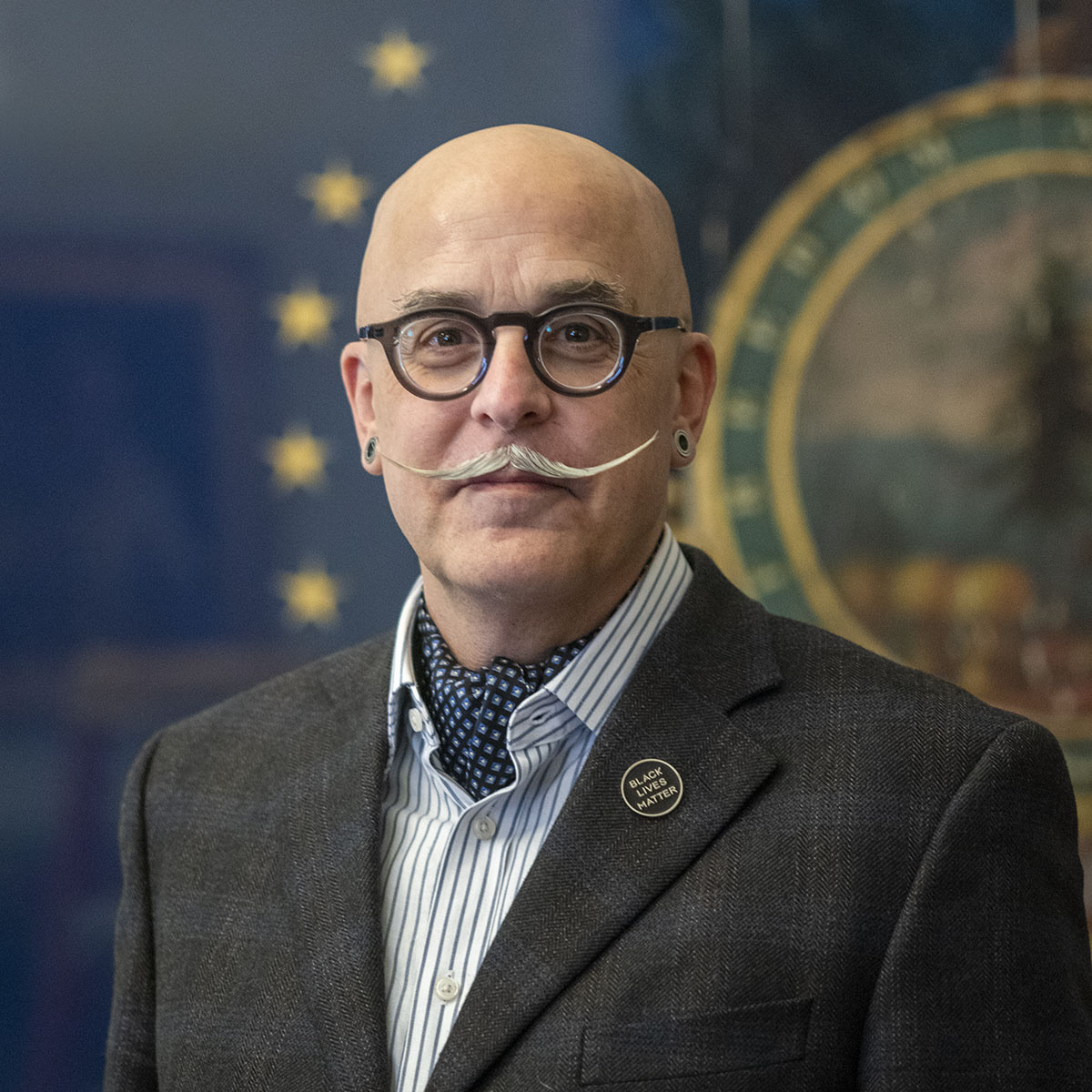
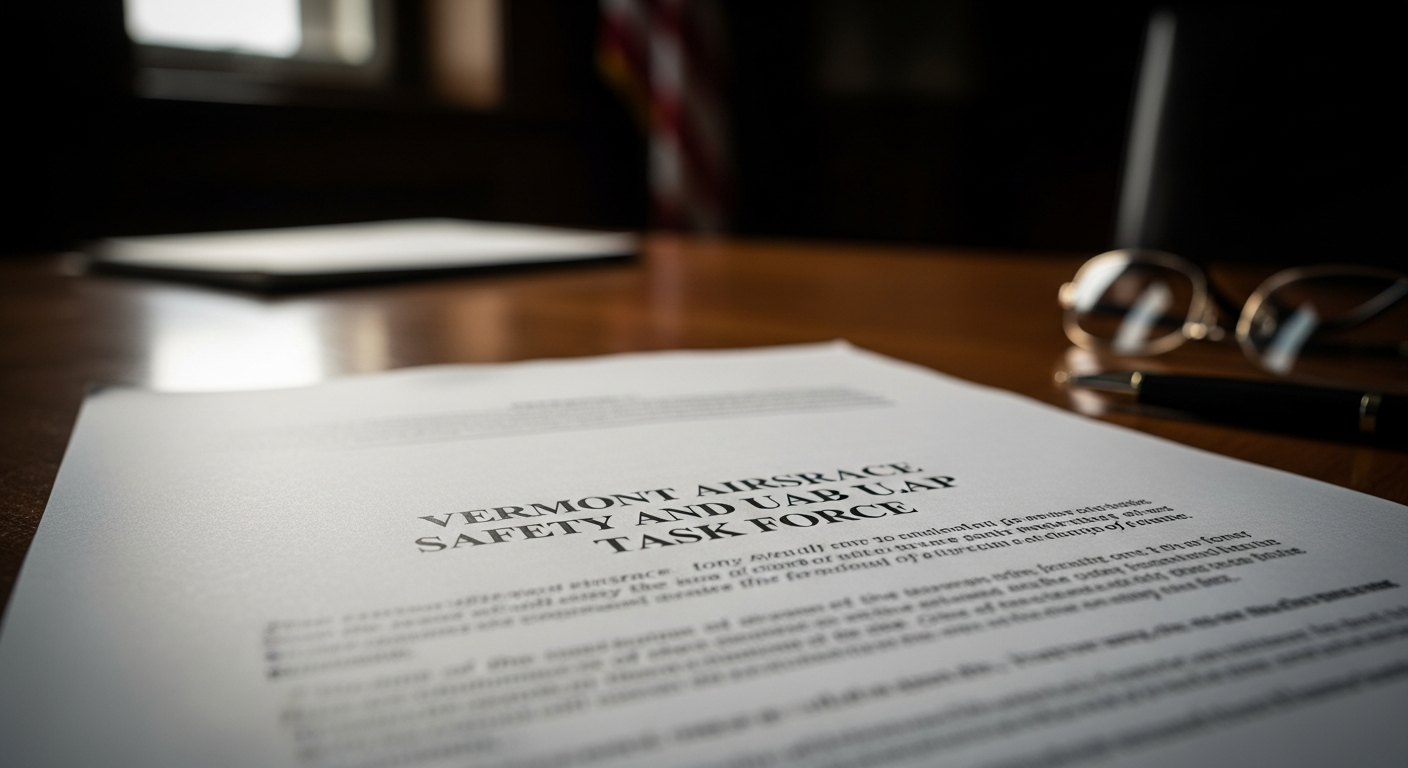
A curious piece of legislation has landed in the Vermont State House, proposing the creation of the Vermont Airspace Safety and Unidentified Anomalous Phenomena Task Force. Introduced by Rep. Troy Headrick (I-Burlington) on behalf of constituent and lobbyist Maggie Lenz, the bill seeks to establish a 10-member panel to review reports of unexplained objects in Vermont's skies and waterways.
The proposed task force would delve into sightings, particularly those exhibiting "performance characteristics not consistent with currently understood technologies" – think instantaneous acceleration without inertia or hypersonic velocity without a sonic boom. Such descriptions sound more like science fiction than the everyday concerns typically debated in state legislatures, immediately inviting a healthy dose of skepticism.
The Push for Legitimacy
Maggie Lenz, owner of Atlas Government Affairs, openly admits her fascination with the subject, spurred by a flurry of unexplained sightings over New Jersey in 2024 – most of which, it turns out, were easily identifiable drones or low-flying aircraft. Lenz argues that the government's perceived inability to provide credible information necessitates a more serious, formalized review system in Vermont. "I'm certainly not saying that it's aliens," Lenz stated, "But I do think just having the conversation here in Vermont will begin to allow for it to be taken a little bit more seriously."
Yet, the representative who introduced the bill, Headrick, stated he was merely facilitating a constituent's wish and was not yet prepared to speak to or support the bill himself. This detached advocacy only fuels questions about the genuine legislative drive behind the proposal, making it appear more like an academic exercise than an urgent matter of public safety.
Federal Footsteps, Local Fervor
The bill's proponents point to federal efforts as a blueprint. Indeed, the U.S. Department of Defense hosts an All-Domain Anomaly Resolution Office (AARO), and Congress passed the Unidentified Anomalous Phenomena Disclosure Act in 2023 to standardize federal investigations. These federal initiatives, however, operate on a scale and with resources far exceeding what a single state task force could muster, suggesting that mirroring such efforts at the state level might be a case of overreach or simply redundant.
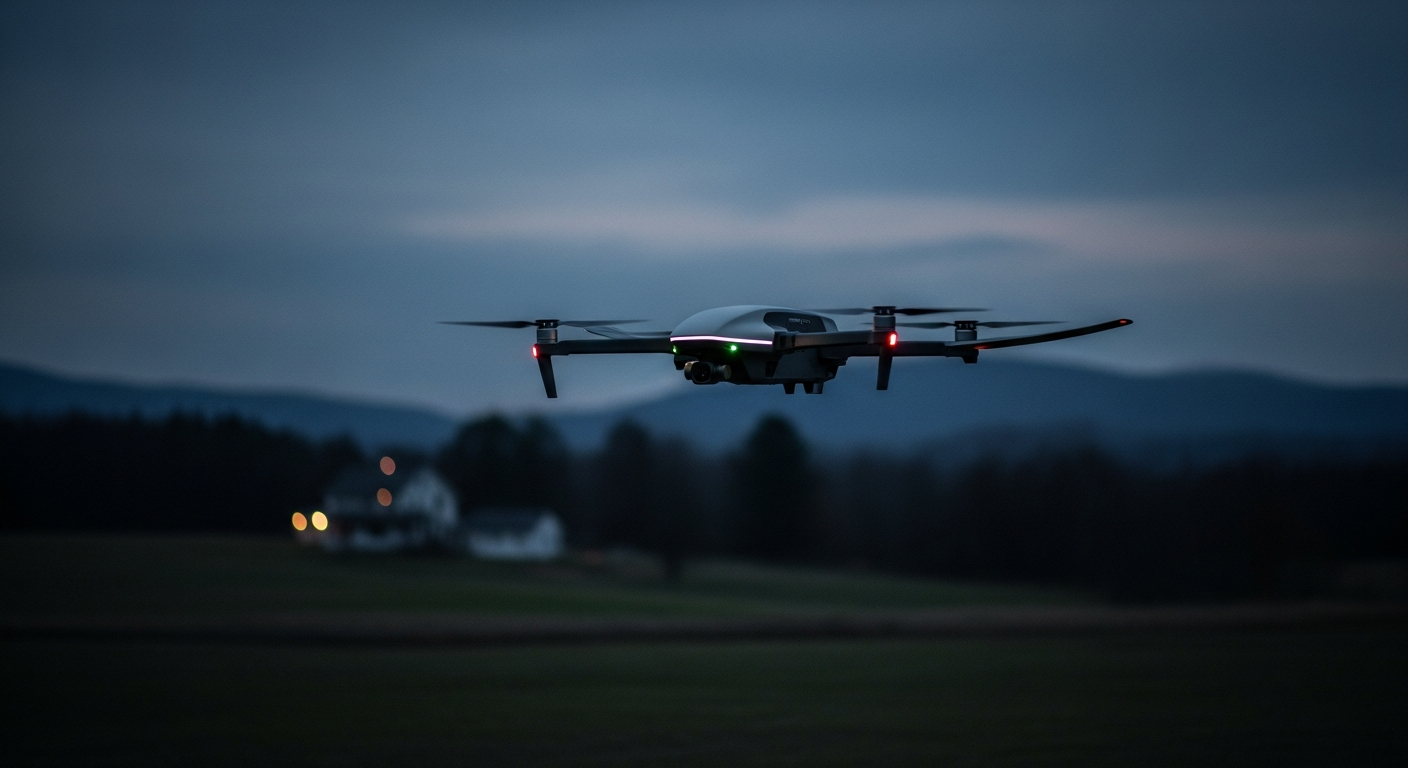
The draft bill mentions anecdotal reports of Vermonters seeing unexplained lights and objects, even reporting them to police. While any unexplained phenomenon warrants attention, the critical question remains: are these incidents truly 'anomalous' in a way that necessitates a dedicated, state-funded task force, or are they more accurately attributed to misidentification, advanced drone technology, or other terrestrial explanations?
A Panel of Experts – and Practical Concerns
The proposed 10-member task force would comprise a formidable list of officials and experts: representatives from public safety, transportation, the National Guard, criminal investigation, and the airport system, alongside an aerospace academic and a radar expert. Technical assistance would even come from the Scientific Coalition for UAP Studies, a self-described 'think tank' committed to scientific analysis.
While expertise is always welcome, the assembly of such a high-level committee for phenomena that are, by definition, unidentified and often anecdotal, begs consideration of resource allocation. With finite state funds and pressing issues like infrastructure, healthcare, and education, the investment in a task force to chase what might often be drones or atmospheric conditions warrants serious scrutiny.
Public Sentiment: Skepticism Mounts
Rep. Matt Birong (D-Vergennes), chair of the House Government Operations Committee where the bill will be introduced, expressed a desire to understand the goals behind the bill more clearly before committing to further consideration. Birong highlighted a more grounded concern: unidentified objects like drones flying near private properties. "There have been lots of news stories about objects that are not necessarily extraterrestrial, but are still unknown," he noted, underscoring the distinction between unexplained and otherworldly.
This sentiment from legislative leadership suggests a cautious approach. While the conversation around UAPs might be intriguing, the practical implications for public safety often revolve around known, albeit unidentified, aerial phenomena such as unauthorized drones, rather than the more fantastical possibilities.
Conclusion
Vermont's proposed UFO task force presents a fascinating, if somewhat bewildering, legislative endeavor. While the desire to seriously investigate unexplained sightings is understandable, particularly in light of federal precedents, the immediate necessity and potential efficacy of a state-level panel remain questionable. With limited resources, the Green Mountain State must weigh whether embarking on an official quest for 'unidentified anomalous phenomena' is truly the most responsible way to ensure airspace safety and public confidence, or if it risks diverting attention from more tangible, earthly concerns.