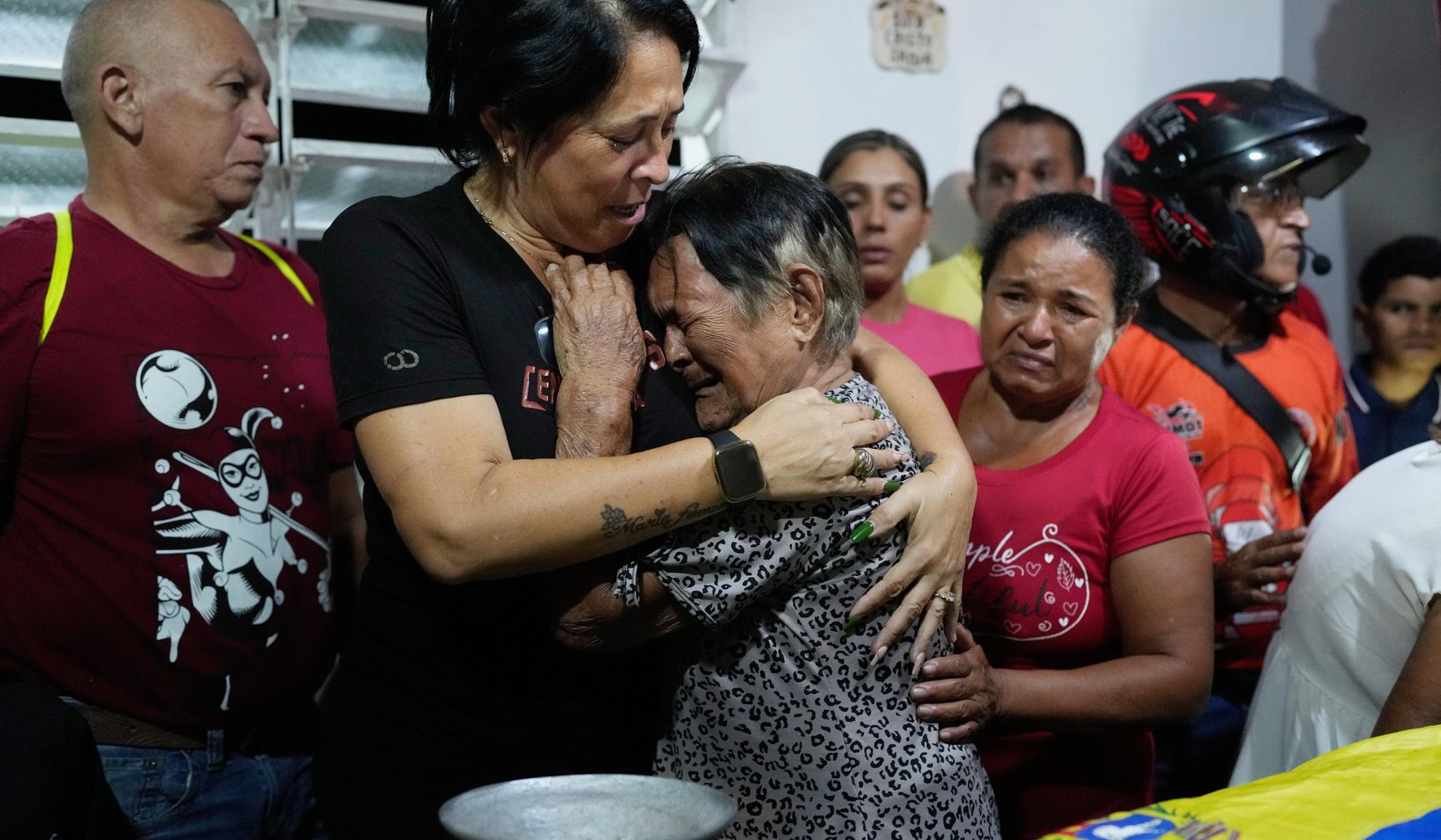
The echoes of Edilson Torres's funeral resonate far beyond his humble Guanare hometown, becoming a potent symbol of Venezuela's convoluted path towards any semblance of stability. Torres, a former police officer, died in state custody, his family's pleas of politically motivated accusations finally finding a voice, albeit posthumously. His death, just hours before a promised wave of prisoner releases, is a cruel punctuation mark on a narrative steeped in oppression and the yearning for justice.
Key Takeaways:
-
Delayed Reckoning: Hundreds of Venezuelan families, long silenced by fear, are now coming forward to register loved ones as 'political prisoners,' emboldened by the prospect of releases.
-
The Cost of Waiting: Edilson Torres's death highlights the devastating personal toll of prolonged, incommunicado detention, with freedom arriving too late for many.
-
Opaque 'Gestures': While the government claims a higher number of releases, transparency is critically lacking, making verification difficult and raising questions about the true scope of political detainee liberation.
-
Lingering Concern: Despite some high-profile releases, the fate of many political prisoners remains uncertain, fostering deep concern among human rights advocates and the international community.
The 'flood of messages' received by Foro Penal, a non-governmental organization tracking prisoners, paints a stark picture of a nation holding its breath. Director Alfredo Romero's observation – that families 'didn't report it out of fear, and now they're doing it because...they feel that there is this possibility that their families will be freed' – is a chilling indictment of the prevailing climate. It's a sentiment born of desperation, a calculated risk taken in the faint glow of what might simply be a mirage of change.

The Irony of the 'Olive Branch'
Venezuela's national assembly's declaration of a 'significant number' of releases as a 'gesture to seek peace' feels less like a genuine olive branch and more like a tactical maneuver, carefully orchestrated amidst international pressure. The timing, following the U.S. capture of then-President Nicolás Maduro, is hardly coincidental. Yet, the gesture's efficacy is profoundly undermined by its execution. While some notable figures, such as human rights attorney Rocío San Miguel and opposition leader Biagio Pilieri, have indeed walked free, the government's broad, unverified claims of 116 releases stand in stark contrast to Foro Penal's meticulously confirmed 55. Such numerical gymnastics reek of a familiar authoritarian playbook: control the narrative, obscure the truth, and keep the opposition guessing.
The profound grief of Emelyn Torres, Edilson's sister, is a visceral reminder of this tragic irony. Learning of other men from her brother's WhatsApp group being released, just as his casket made its somber journey, transforms a moment of potential hope into an agonizing 'what if.' It's a particularly cruel twist of fate, revealing the lottery-like nature of these 'gestures' – some win their freedom, others pay the ultimate price waiting for it. The testimony of Italian businessman Marco Burlò, describing his detention as a 'pure and real kidnapping' with complete isolation and denial of rights, further exposes the brutal reality behind the euphemisms.
Public Sentiment: A Mix of Hope and Weariness
Across Venezuela, and indeed among the international community, sentiment is a volatile mix. There's a palpable, if cautious, hope that these releases might signal a genuine shift, a softening of a hardline stance. 'They see it as hope,' says Romero, encapsulating the fragile optimism. Yet, this hope is tempered by deep-seated cynicism and historical precedent. Many view the government's actions through a lens of weary experience, recognizing the pattern of concessions followed by renewed crackdowns.
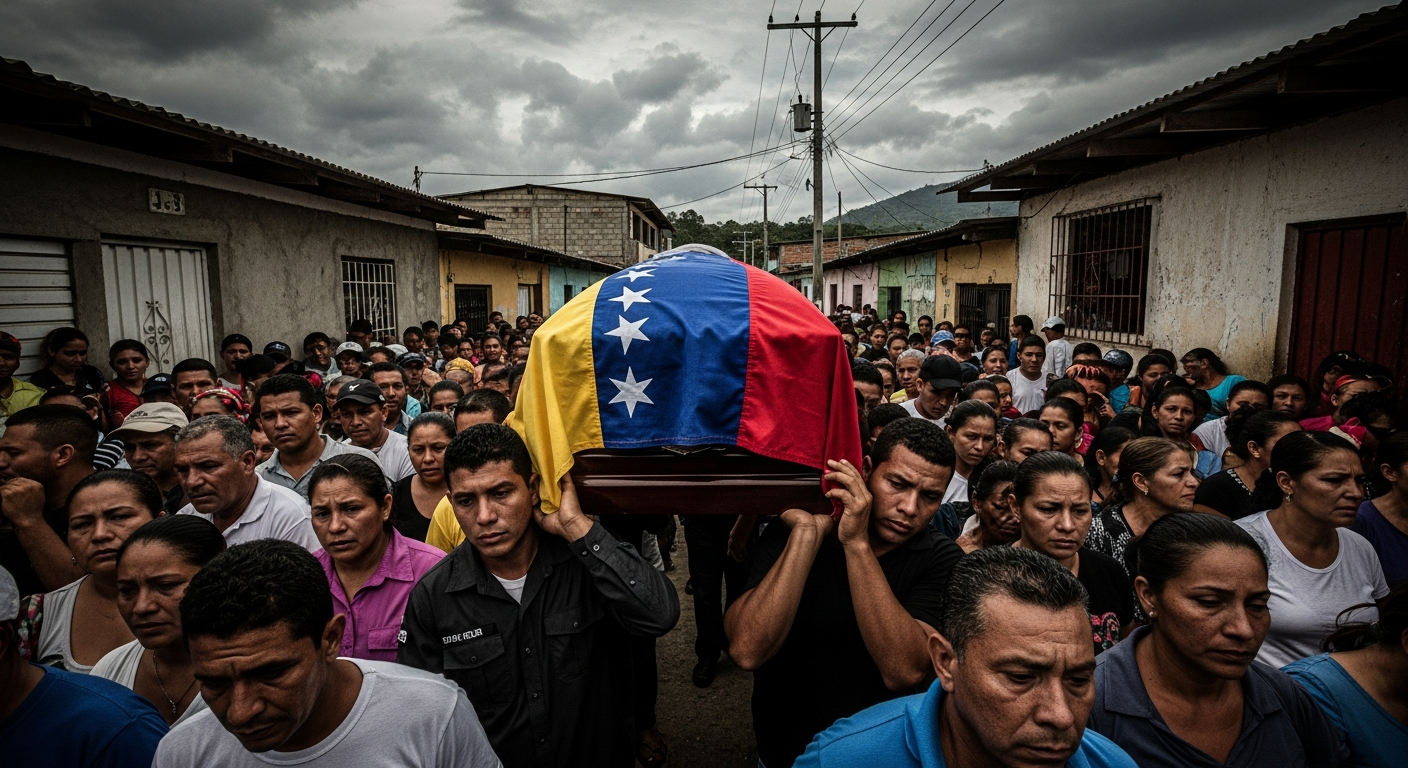
Families, even those who have seen their loved ones released, carry the scars of arbitrary detention. The lingering fear for those still inside, and the psychological trauma inflicted upon the released, ensure that true 'peace' remains a distant horizon. The silence of the government regarding the identities of all released prisoners, while Foro Penal diligently works to verify each case, only fuels distrust and highlights the persistent lack of accountability.
Conclusion: A Cause for Profound Concern
The Venezuelan government's recent prisoner releases, while offering a sliver of relief for some, are fundamentally a cause for profound concern. The death of Edilson Torres, the unverified numbers, the lingering fears of countless families, and the 'kidnapping' narratives of the newly freed collectively underscore a critical point: this is not a genuine commitment to justice, but a carefully managed political maneuver. The 'peace' being sought feels less like genuine reconciliation and more like a negotiation tactic, with human lives as the bargaining chips. Until there is full transparency, a clear pathway to due process for all political prisoners, and an end to arbitrary detention, the international community, and indeed the Venezuelan people, must remain deeply concerned. The 'olive branch' extended by the regime appears tarnished, offering only a conditional, often belated, form of freedom, while the shadow of state repression continues to loom large.