
Key Takeaways:
-
The US reportedly seeks to conclude the Russia-Ukraine war by summer, possibly due to upcoming mid-term elections.
-
President Zelensky confirmed this push, noting a proposed new round of US-brokered talks in Miami.
-
Recent talks in Abu Dhabi led to a significant POW exchange, resuming swaps after a five-month hiatus.
-
Discussions included ceasefire monitoring, security guarantees for Ukraine, and a post-war "prosperity plan."
-
Russia's special envoy proposed substantial bilateral cooperation deals with the US, which Zelensky stated could not violate Ukraine's constitution.
The American Imperative: A Race Against the Calendar
President Volodymyr Zelensky's revelation that the United States is pushing for an end to the protracted conflict in Ukraine by summer introduces a potent new dynamic.
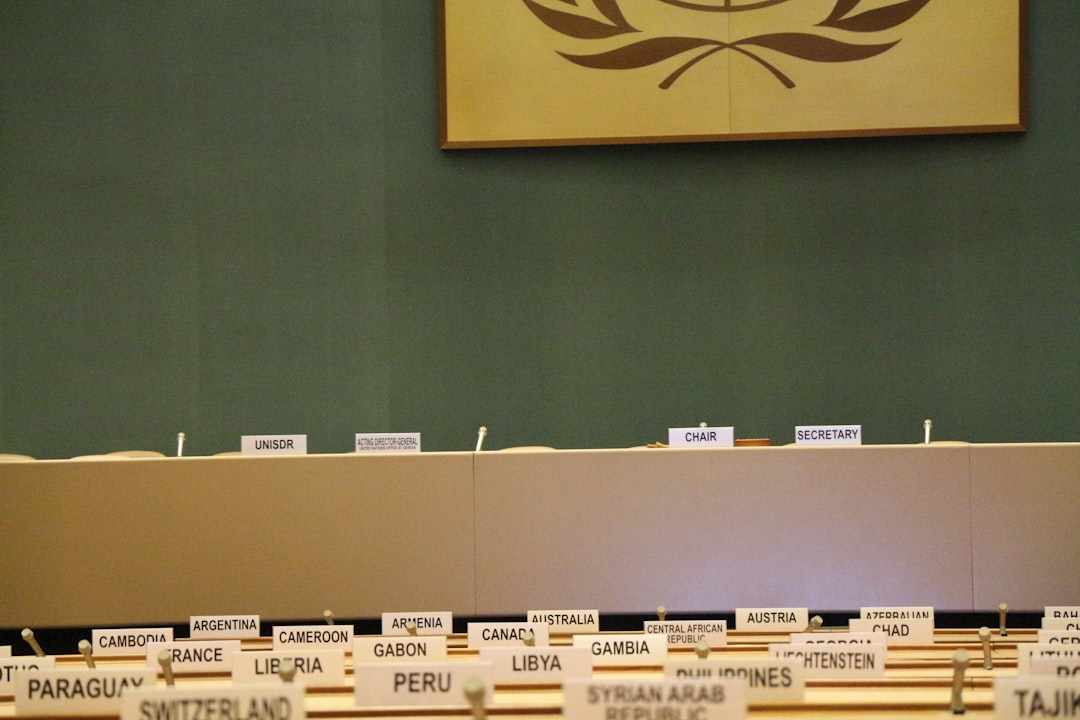
This urgent timeline suggests a strategic re-evaluation in Washington, which Zelensky candidly attributes to the US mid-term congressional elections. "The Americans are proposing that the parties end the war before the start of this summer and will probably pressure the parties to adhere to this schedule," Zelensky stated, adding, "The elections are definitely more important to them. Let's not be naive. And they say they want to get everything done by June." This perceived urgency underscores a desire for a tangible diplomatic achievement, potentially shaping the domestic political narrative ahead of critical electoral contests. For "Rusty Tablet" readers, this highlights how domestic political cycles can significantly influence international policy, accelerating timelines for high-stakes resolutions.
Kyiv's Pragmatism and Proposals: Navigating Diplomatic Currents
Despite the implied external pressure, Kyiv appears to be engaging with measured pragmatism. President Zelensky confirmed Ukraine's agreement to a new round of US-brokered talks in Miami, a clear indication of Ukraine’s willingness to explore all avenues for peace, even while steadfastly protecting its sovereign interests. He also alluded to Ukraine having suggested a "sequencing plan," though specific details remain undisclosed. This suggests that while external timelines may be a factor, Ukraine is actively shaping its negotiating posture, aiming for a structured and equitable path forward rather than a hasty conclusion. The continued dialogue, even under intense pressure, signals a mature diplomatic strategy from Kyiv, balancing immediate imperatives with the long-term vision of peace and national security.
Building Blocks for Peace: Beyond the Battlefield
The recent US-brokered peace talks in Abu Dhabi, while not yielding a major breakthrough, offered critical glimpses into a potential post-conflict settlement. A significant achievement was the agreement to exchange 157 prisoners of war (POWs) each, resuming these vital swaps after a five-month pause. Zelensky confirmed that these exchanges would continue, offering a glimmer of humanitarian progress. Beyond POWs, military teams delved into the technical aspects of monitoring a potential ceasefire—a foundational step. Discussions also encompassed robust security guarantees for Ukraine—a non-negotiable for Kyiv—and an ambitious "prosperity plan" outlining Ukraine's postwar recovery and economic cooperation. These reveal a nascent framework for future stability, moving beyond cessation of hostilities to comprehensive national rebuilding.
Russia's Broader Ambitions and Kyiv's Red Lines
Further complicating the narrative is intelligence received by President Zelensky concerning Russia’s special envoy, Kirill Dmitriev, who reportedly proposed extensive cooperation deals between Russia and the US, potentially worth an astounding $12-trillion. While vague, these proposals hint at Russia's long-term geopolitical aspirations to re-establish broader ties with the West. However, Zelensky was unequivocal: "any such bilateral agreements between Russia and the US could not violate the Ukrainian constitution." This statement serves as a critical red line, signaling that Ukraine will not tolerate any back-channel deals compromising its sovereignty, territorial integrity, or fundamental constitutional principles. This highlights the challenge of achieving a peace that respects international law and national sovereignty amidst complex global power interests.
Public Sentiment
The prevailing public sentiment, particularly in the region, is a blend of weary hope and cautious optimism. Citizens, fatigued by the prolonged conflict, generally welcome any credible diplomatic initiative that promises an end to hostilities. There is a strong undercurrent of support for a resolution that ensures Ukraine's sovereignty and provides for its reconstruction. While skepticism remains regarding the sincerity of all parties, the continuation of talks and humanitarian gestures like POW exchanges are largely viewed as positive steps. The focus remains on a just and lasting peace, rather than a temporary ceasefire.
Conclusion
The US's reported drive to conclude the Russia-Ukraine conflict by summer injects a new urgency into the diplomatic landscape. While the precise motivations and potential pressures remain subject to interpretation, Kyiv's engagement suggests a willingness to pursue a negotiated settlement. The ongoing discussions, from POW swaps to security guarantees and post-war recovery plans, indicate that the complex machinery of peace is slowly grinding forward. Yet, President Zelensky's firm stance on constitutional integrity serves as a powerful reminder that any resolution must ultimately serve Ukraine's enduring interests, balancing the imperative for peace with the fundamental principles of national sovereignty. The coming months will undoubtedly test the resolve and diplomatic prowess of all involved, as the world watches for a definitive end to this devastating conflict.