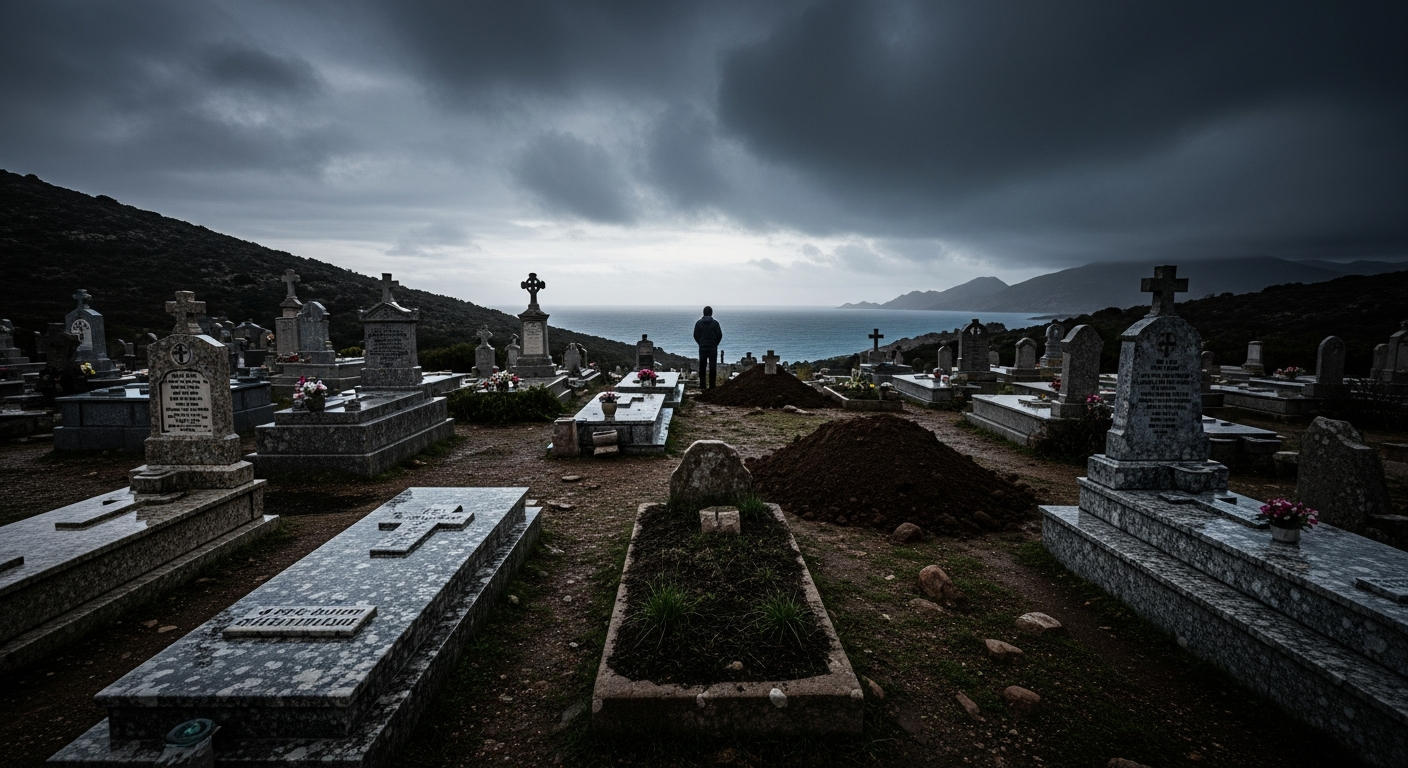
A Shot Rings Out in Exile: The Unbroken Thread of Corsica's Past
The image is stark: a septuagenarian man, known for a life steeped in separatist struggle, gunned down in a foreign church, surrounded by grieving family at his mother’s funeral. Alain Orsoni, 71, a figure once synonymous with Corsican nationalism, found his exile in Nicaragua violently terminated in an act that echoes far beyond Central America. This wasn't merely a targeted killing; it was a profound, almost theatrical, statement – a chilling reminder that for some, the past is not just prologue, but an inescapable, blood-soaked script that plays out until the final curtain, no matter the distance or the passage of years.
Orsoni, a former leading light of the Front de Libération Nationale Corse (FLNC), had lived in self-imposed exile for years, ostensibly escaping the intricate web of political intrigue, organized crime, and historical grievances that define his home island. Yet, the bullet that ended his life in a Managua church suggests that the 'exile' was merely a pause, not an end, to the conflict that shaped him. It raises uncomfortable questions about the true meaning of escape, the endurance of old animosities, and the frustrating inability of a community to ever truly heal.
Key Takeaways:
-
The assassination of Alain Orsoni, a key Corsican separatist, during his mother's funeral, highlights the enduring reach of the island's political conflicts.
-
This act symbolizes the unbroken cycle of violence and vendetta that has plagued Corsica for decades, despite attempts at peace or exile.
-
The choice of a funeral as the attack site signifies a profound violation of sacred norms, pointing to a deep-seated, almost ritualistic, aspect of the conflict.
-
The incident fuels widespread public skepticism and frustration regarding justice and the possibility of genuine reconciliation in Corsica.
-
Orsoni's death forces a re-evaluation of how exile truly offers escape from a violent past and raises questions about the long-term psychological impact on those connected to such struggles.
The Echoes of the Vendetta: Profaning the Sacred
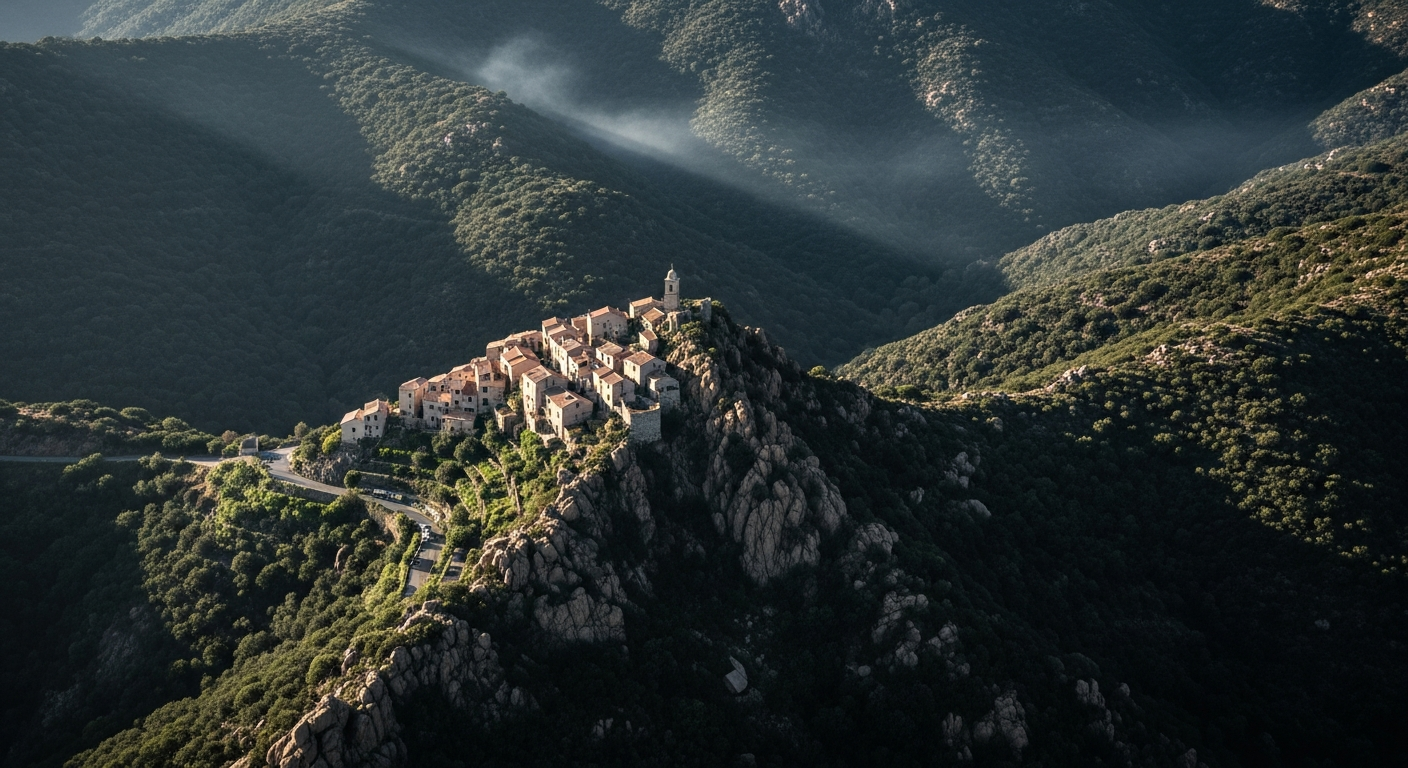
Corsica, often romanticized for its rugged beauty, also carries the heavy burden of a history steeped in clan loyalty, nationalist fervor, and a pervasive culture of vendetta – a code of honor where slights and deaths are avenged through generations. For decades, the FLNC and its offshoots engaged in a campaign of bombings, assassinations, and extortion, ostensibly for independence from France, but often blurring lines with organized crime. Orsoni himself navigated these complex, perilous waters, once acquitted of murder charges linked to a rival clan, his life a testament to the island's volatile landscape.
His killing at a funeral, however, represents a particular transgression. Funerals, universally, are sanctuaries – moments of profound grief, where even the most bitter enemies traditionally observe a truce. To strike at such a moment, in such a place, is to issue a challenge of the gravest order. It’s a deliberate profanation, a statement designed not just to eliminate an individual, but to terrorize, to assert absolute dominance, and to send a message that no place, no time, no convention is sacred enough to halt the march of retribution. The psychological impact on the community, both present and watching from afar, is immense; it reinforces the pervasive fear that the cycle of violence is not just persistent, but omnipotent.
The Unending Shadow of the Past
Orsoni's decision to live in Nicaragua, thousands of miles from the maquis of Corsica, was likely an attempt to escape the relentless gaze of his past, the ever-present threat of reprisal. Yet, his murder underscores a grim reality: for figures deeply embedded in such conflicts, true escape is often an illusion. The long arm of history, fueled by memory and grievance, has a way of finding its targets, no matter how remote. The psychological burden of such a life, always looking over one's shoulder, always aware of the unpaid debts, must be immense. Exile, in this context, becomes less a refuge and more a temporary holding pattern, a delayed confrontation with an inevitable end.
This event throws into stark relief the frustration of a society that yearns for peace but seems condemned to replay its violent chapters. For many Corsicans, Orsoni's death is not an isolated incident but another grim tally mark in a ledger that never balances. It feeds a deep skepticism that genuine reconciliation or justice can ever be achieved when the mechanisms of retribution operate outside the bounds of law, driven by ancient codes and obscured by layers of silence and fear.

Public Sentiment: The Weary Resignation
Across Corsica and among its diaspora, the sentiment is a mix of weariness, resignation, and a profound sense of déjà vu. Online forums and whispered conversations reflect a collective sigh, a frustrated acknowledgment that the island's ghosts refuse to be laid to rest.
"Another one," posts a user on a Corsican news site, "Another name added to the list. When will it end? My children deserve a different future, but all we get are echoes of the past."
"Justice?" scoffs another, articulating a widespread skepticism. "There will be no justice, only more blood. This is how it always is. You live by the sword, you die by the sword, and the rest of us just live in the shadow."
A former resident, now living in mainland France, laments, "It's a tragedy, but not a surprise. You can leave Corsica, but Corsica never truly leaves you. The feuds, the loyalties, they follow you to the grave, sometimes literally. It's an exhausting cycle, psychologically draining for everyone who loves the island."
This synthesized sentiment reveals a community trapped between a deep affection for their homeland and a crippling despair over its unyielding capacity for self-destruction. The psychological toll of living under such a persistent cloud of unresolved conflict is immeasurable.
Conclusion: The Persistence of the Past
Alain Orsoni's assassination in Managua is more than a tragic headline; it is a potent symbol of Corsica's enduring struggle with its own violent heritage. It underscores the profound frustration of those who wish to see an end to the cycles of vengeance, but who are repeatedly confronted with evidence of their persistence. For the "Rusty Tablet," this event serves as a grim reminder of how deeply ingrained historical conflicts can become, how they permeate the social fabric, and how stubbornly they resist resolution. The bullet that found Orsoni in Nicaragua was fired from a long, complex history, and its impact will reverberate for years to come, further cementing the psychological burden on a community yearning for peace but seemingly condemned to its unquiet past.