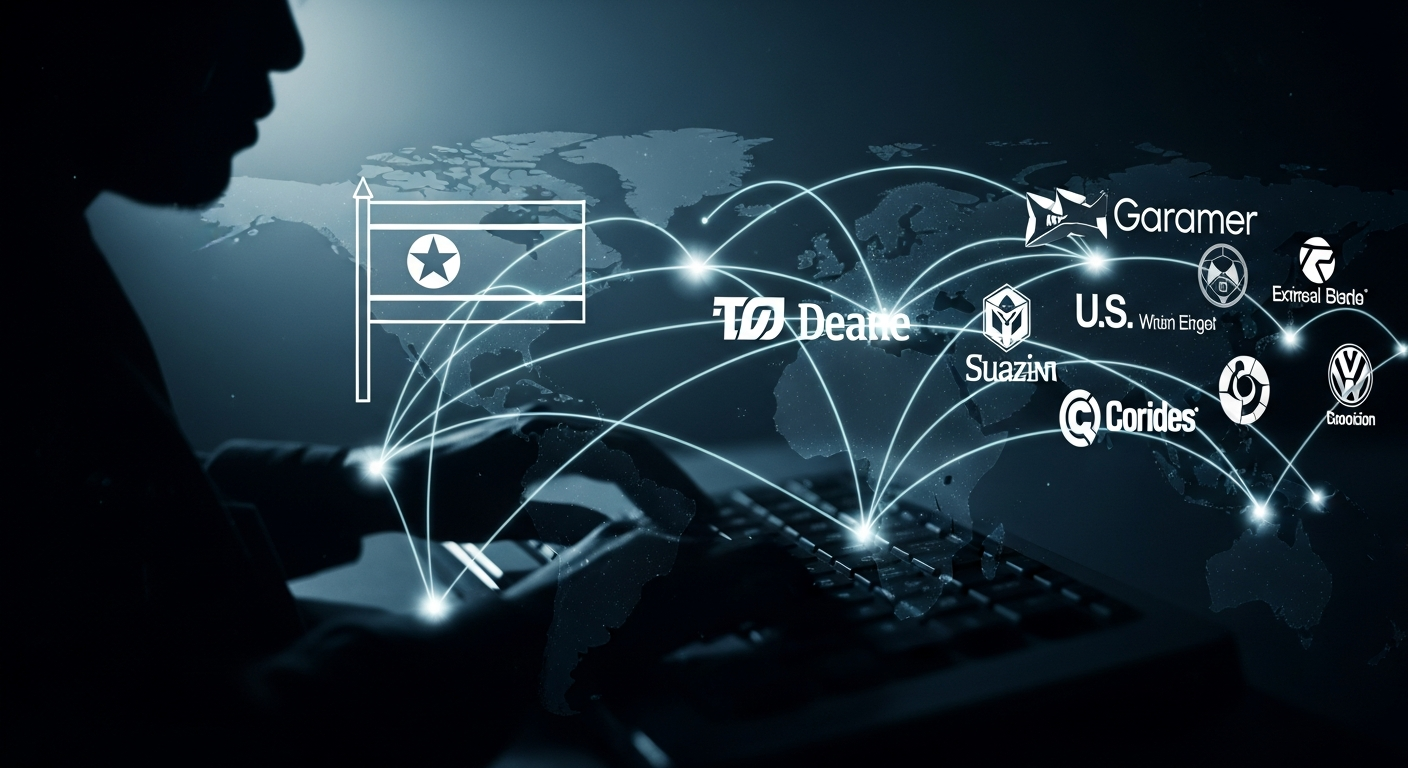
The intricate web of international cybercrime, often operating in the shadows of the digital realm, has once again illuminated its direct link to state-sponsored illicit activities. A Ukrainian national has been sentenced for his pivotal role in a sophisticated operation that saw North Korean operatives fraudulently infiltrate dozens of U.S. companies, siphoning funds directly back to Pyongyang to bolster its nuclear weapons program.
Key Takeaways
-
Sophisticated Scheme: A Ukrainian man orchestrated the placement of North Korean IT workers into U.S. companies using stolen identities and proxy accounts.
-
Direct Funding for WMDs: The illicit earnings from these fraudulent jobs were funneled directly to North Korea, significantly aiding its weapons of mass destruction (WMD) development.
-
Exploitation of Remote Work: The scheme capitalized on the expanded remote work landscape, exposing vulnerabilities in digital hiring and identity verification processes.
-
National Security Implications: The case underscores the persistent and evolving threat North Korea poses to global financial systems and national security through illicit finance.
-
International Cooperation: The successful prosecution demonstrates the growing importance of international law enforcement collaboration in combating complex cyber-enabled state-sponsored crime.
The Scheme Unveiled: A Digital Pipeline to Pyongyang
At its core, the operation involved a meticulously crafted plan to circumvent international sanctions against North Korea. The Ukrainian man, whose identity remains under close wraps due to ongoing investigations, acted as a crucial intermediary. He procured and managed stolen or fabricated identities, primarily from U.S. citizens, which were then used by North Korean IT professionals to apply for and secure remote employment positions at numerous U.S. companies. These companies, unaware of the true identities or affiliations of their new hires, ranged across various sectors, from technology to finance, showcasing the broad reach of the infiltration.
The operatives, often highly skilled in IT, worked remotely, delivering legitimate work products while their true allegiance and the destination of their earnings remained concealed. Payments from U.S. companies were directed to various U.S. bank accounts, often linked to the stolen identities, and subsequently laundered through a labyrinthine network of shell companies and cryptocurrency transactions before reaching the North Korean regime. This financial pipeline served as a vital, clandestine revenue stream, bypassing stringent international sanctions designed to limit Pyongyang's access to foreign currency and resources.
Funding a Nuclear Program: The Grave Implications

The ultimate beneficiary of this elaborate identity theft and employment fraud was the Democratic People's Republic of Korea (DPRK). The funds generated through this scheme were directly earmarked for its illicit nuclear weapons and ballistic missile programs. This connection transforms what might appear as a sophisticated white-collar crime into a critical national security threat. Each dollar funneled through this digital pipeline contributes to Pyongyang's ability to develop and proliferate weapons of mass destruction, directly challenging international peace and stability.
The global community has long grappled with North Korea's defiant pursuit of nuclear capabilities, implementing a range of sanctions to choke off its funding. However, this case illustrates Pyongyang's relentless efforts to innovate and exploit vulnerabilities in the global financial and digital infrastructure. The transition to widespread remote work post-pandemic has inadvertently created new avenues for such illicit activities, making it harder for companies to vet employees and for authorities to trace financial flows.
Broader Implications: U.S. Corporate Vulnerability and International Response
The exposure of this network casts a harsh light on the vulnerabilities inherent in the modern remote work environment. U.S. companies, many of whom rapidly expanded their remote workforces, often lack the robust identity verification protocols necessary to thwart such sophisticated state-sponsored infiltration. The financial losses incurred by these companies, while substantial, pale in comparison to the broader implications for national security and the potential for intellectual property theft or espionage.

Law enforcement agencies, both domestically and internationally, are increasingly focused on combating these evolving threats. The Department of Justice, in conjunction with international partners, has prioritized dismantling networks that enable hostile states to circumvent sanctions. The successful prosecution of the Ukrainian intermediary sends a clear message: those who facilitate state-sponsored illicit finance, regardless of their nationality or location, will be held accountable.
This case also underscores the critical need for enhanced cybersecurity measures and more rigorous hiring practices, particularly for remote positions. Companies must invest in advanced identity verification technologies and implement stricter protocols to protect themselves from becoming unwitting conduits for hostile foreign powers.
Public Sentiment
The public reaction to such revelations often oscillates between shock and frustration, coupled with a renewed call for vigilance:
-
"It's unsettling to think that foreign regimes can so easily exploit our digital systems to fund their dangerous ambitions. We need stronger defenses, both corporate and governmental." - Anonymous Online Commenter
-
"This isn't just about identity theft; it's about national security. Our companies need to be more aware of who they're hiring, especially remotely." - Tech Industry Professional
-
"Another example of how sanctions are being sidestepped. The world needs a more coordinated and effective strategy against North Korea's illicit financial networks." - International Relations Analyst
Conclusion
The sentencing of the Ukrainian man marks a significant victory in the ongoing battle against state-sponsored illicit finance and cybercrime. However, it is also a stark reminder of the persistent and adaptable nature of threats posed by rogue states like North Korea. As technology continues to advance and global economies become more interconnected, the digital front lines of national security will only grow in importance. Vigilance, robust cybersecurity, and unwavering international cooperation remain the most potent defenses against those who seek to exploit the open global system for nefarious ends.
[FEATURED]