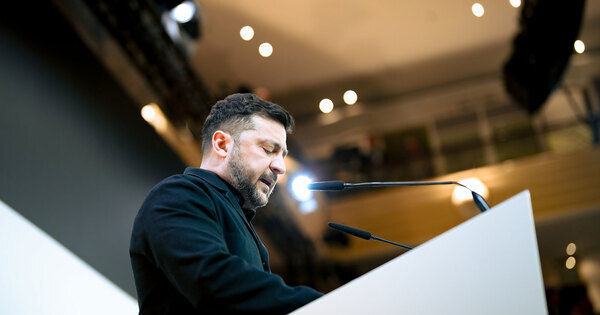
The international community recently converged on Munich, Germany, for its annual Security Conference, a pivotal platform for global security dialogue. Amidst the discussions and strategic deliberations, one nation stood prominently in the spotlight: Ukraine. The Ewald von Kleist Award, a prestigious honour acknowledging significant contributions to international peace and conflict management, was bestowed upon Ukraine, a poignant recognition of the immense sacrifices and unwavering courage displayed by its people in the face of ongoing aggression. [FEATURED]
Ukrainian President Volodymyr Zelenskyy personally accepted the award on behalf of his nation, a moment underscored by both solemnity and hope. The Munich Security Conference's X handle encapsulated the sentiment, stating, 'In this moment, we are presenting the Ewald von Kleist Award to the brave Ukrainian people. We honour their courage and remember those who lost their lives or were injured. President @ZelenskyyUa receives the award on behalf of his nation.' This honour, inaugurated in 2009 and named after the conference's founder, Ewald von Kleist – a figure instrumental in post-war Germany's integration into NATO – highlights the gravity of Ukraine's current role in shaping European and global security.
A Symbol of Resilience: The Munich Moment
The Ewald von Kleist Award is more than just a trophy; it is a powerful symbol of international solidarity and recognition for Ukraine's profound impact on the global security landscape. Its presentation at a forum dedicated to security policy amplifies the message that Ukraine's struggle is not merely a regional conflict but a crucial battle for the principles of sovereignty, territorial integrity, and international law. For a nation embroiled in such a devastating conflict, this acknowledgment serves as a moral booster, reinforcing the conviction that their sacrifices are seen and valued on the world stage.
However, the applause in Munich also casts a long shadow towards another critical event: the impending trilateral meetings in Geneva. The timing suggests a delicate balancing act for Kyiv, navigating public accolades while simultaneously engaging in potentially sensitive, behind-the-scenes diplomacy.
Geneva's Shadow Play: Diplomacy on a Tightrope
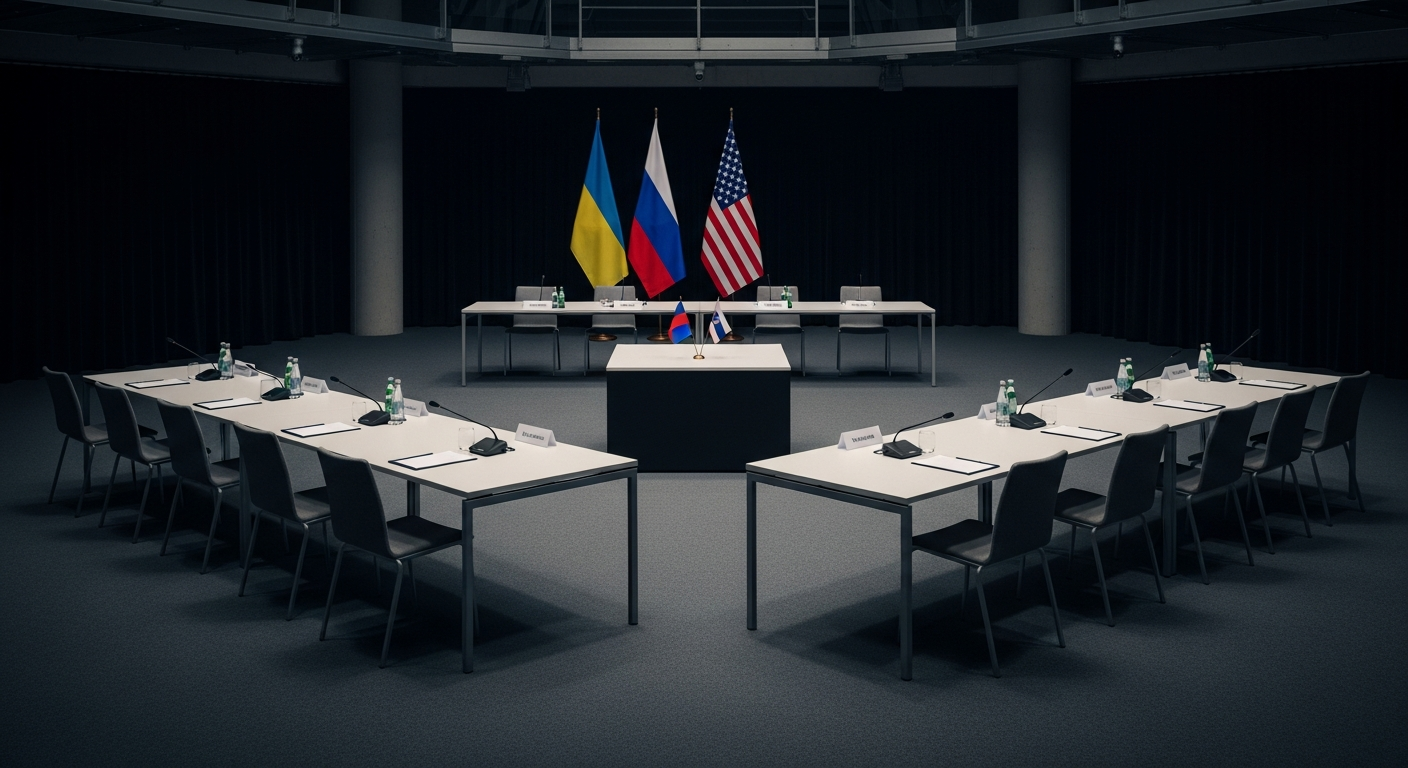
According to Russia's TASS news agency, Kremlin Spokesman Dmitry Peskov announced that trilateral meetings involving Ukraine, Russia, and the United States were scheduled for February 17-18 in Geneva. This revelation, though brief, immediately sparked intense speculation and curiosity. The involvement of all three key players underscores the high stakes of these discussions, signalling a potential, albeit uncertain, shift in diplomatic efforts to de-escalate or even resolve the protracted conflict.
President Zelenskyy, present at the Munich Security Conference, used the opportunity to meet with several leaders ahead of these crucial Geneva talks. His discussions included engagements with United States envoys, Steve Witkoff and, as noted in his own X post, Jared Kushner – individuals associated with former President Trump's administration. Zelenskyy's cryptic remark, 'Not everything can be shared over the phone, and our negotiating team will present Ukraine's position next week,' adds a layer of intrigue, hinting at sensitive topics and complex agendas that remain undisclosed to the public.
American Envoys and Shifting Sands
Zelenskyy's engagement with President Trump's envoys, Steve Witkoff and Jared Kushner, is particularly noteworthy. While their precise mandate and the specifics of their discussions remain under wraps, their involvement suggests a multi-faceted American approach to the conflict, potentially exploring avenues outside conventional diplomatic channels. This could indicate a parallel track of discussions, or an effort to leverage different political connections.
Additionally, Zelenskyy's mention of discussions with "US Secretary of State Marco Rubio" (as per his X post, referring to US Senator Marco Rubio) regarding the impact of Russian strikes on Ukraine's energy resources further illustrates the breadth of diplomatic outreach. His expression of gratitude to President Trump, his team, and the American people for their consistent support underscores the enduring, albeit complex, nature of US assistance to Ukraine.
Public Sentiment: A Blend of Hope and Vigilance
The dual narrative of public honour and private negotiation is likely to evoke a mixed sentiment among the global public. There is undoubtedly a sense of pride and renewed hope in seeing Ukraine's resilience officially acknowledged. However, the secretive nature of the Geneva talks, coupled with the long history of failed peace attempts, will inevitably breed a degree of caution and even skepticism. Many will watch closely for concrete outcomes, understanding that diplomatic breakthroughs are often painstaking and fragile.
Citizens globally are likely to oscillate between admiration for Ukraine's fight and a keen curiosity about the efficacy of these quiet diplomatic efforts. The opacity surrounding the Geneva agenda means that public opinion will largely be shaped by the eventual revelations and the tangible impacts on the ground, creating a landscape of anxious anticipation.
The Path Ahead: Uncertainty and Expectations
The events in Munich and the impending talks in Geneva paint a complex picture of Ukraine's current geopolitical standing. The Ewald von Kleist Award solidifies its moral authority and international backing, yet the path to peace or even a de-escalation remains fraught with uncertainty. The participation of key American figures, including those with direct ties to a former administration, adds an unconventional dimension to the diplomatic efforts, raising questions about internal US policy alignments and future approaches.
As the world watches the unfolding drama, the core question remains: will the recognition and diplomatic overtures pave the way for a tangible reduction in conflict, or are these merely further intricate moves in a protracted geopolitical chess game? The coming days will be crucial in deciphering the true intent and potential impact of Geneva’s shadow play on Ukraine’s challenging journey.