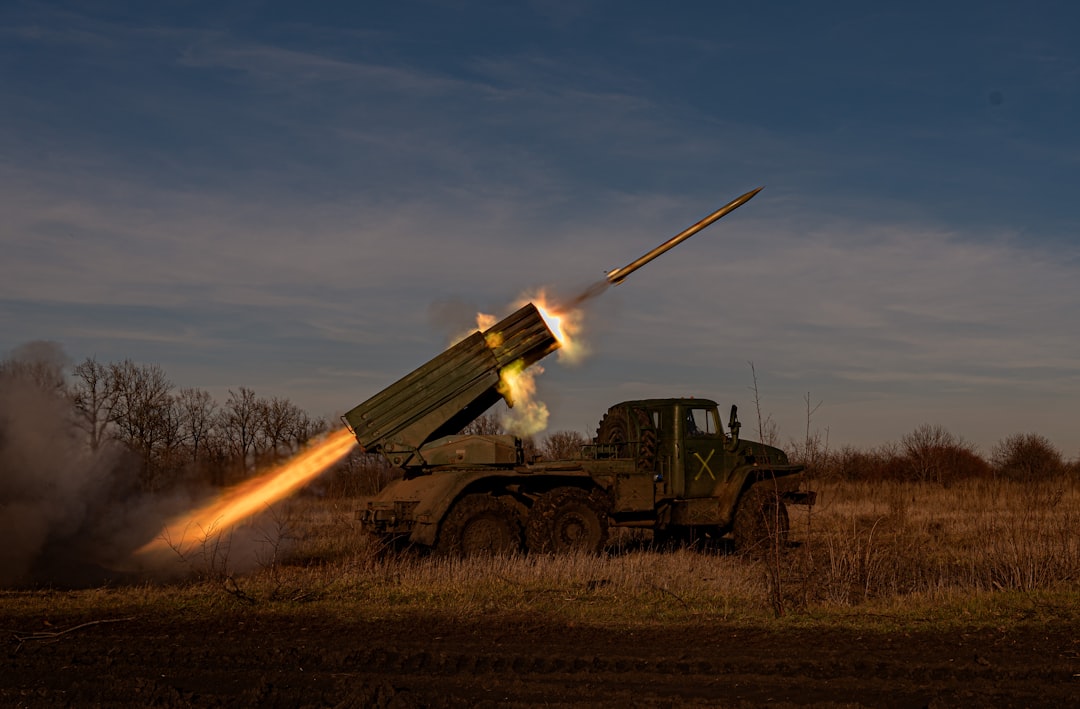
President Volodymyr Zelenskyy has ordered the Ministry of Defence to deploy additional air defence forces to Sumy Oblast, signaling a critical strategic adjustment in Ukraine's defensive posture. The directive comes in direct response to evolving Russian tactics that increasingly focus on disrupting essential civilian and strategic infrastructure, extending beyond traditional energy facilities to include crucial logistics networks and municipal water supplies.
Key Takeaways
-
Enhanced Air Defence: President Zelenskyy has mandated the deployment of supplementary air defence units to Sumy Oblast, a region highly vulnerable due to its proximity to the Russian border.
-
Evolving Russian Tactics: Recent Russian strikes have expanded their targets to include not only energy infrastructure but also vital logistics, such as railway networks, and critical municipal water supply systems.
-
Strategic Disruption: This shift indicates a concentrated effort by Russia to degrade Ukraine's logistical capabilities, undermine civilian morale, and disrupt essential services far from the primary front lines.
-
Adaptive Response: Ukraine's leadership is prioritizing the scaling up of protective measures and demanding prompt adjustments to defensive strategies based on real-time intelligence on Russian tactical changes.
-
Border Region Vulnerability: Sumy Oblast's status as a border region amplifies the strategic importance of robust air defence, as it serves as a critical conduit for supplies and a demographic anchor.
[FEATURED]
The Strategic Imperative in Sumy
Sumy Oblast, situated in northeastern Ukraine and sharing a significant border with Russia, has consistently found itself on the front lines of indirect aggression, even as major ground offensives have shifted elsewhere. Its geographical vulnerability makes it a strategic objective for Russian forces seeking to exert pressure through long-range strikes. The recent mandate from President Zelenskyy underscores the region's heightened importance, not merely as a buffer zone but as a critical artery for national resilience. The deployment of additional air defence capabilities is a recognition of the need for a multi-layered defence system capable of intercepting a diverse array of airborne threats, from cruise missiles to drones, which have become the preferred instruments for these deep strikes.
Russia's Evolving Strike Profile: Beyond Energy
The conflict has seen Russia systematically target Ukraine's energy infrastructure since late 2022, aiming to cripple the nation's power grid and undermine civilian life, particularly during colder months. However, Zelenskyy's statement reveals a significant — and concerning — expansion of this targeting strategy. By including "logistics, in particular railway and municipal water supply infrastructure," Moscow appears to be pursuing a broader campaign of systemic disruption. Railway networks are the backbone of both military supply lines and civilian transport within Ukraine, making their degradation a direct threat to both war efforts and economic stability. Similarly, attacks on municipal water supply systems are designed to inflict widespread humanitarian distress, disrupt public health, and further erode civilian morale. This evolution suggests a deliberate shift towards a more comprehensive strategy of attrition, seeking to degrade Ukraine's foundational services and thereby its capacity to sustain a prolonged conflict.
Protecting Critical Infrastructure: Lifelines Under Threat
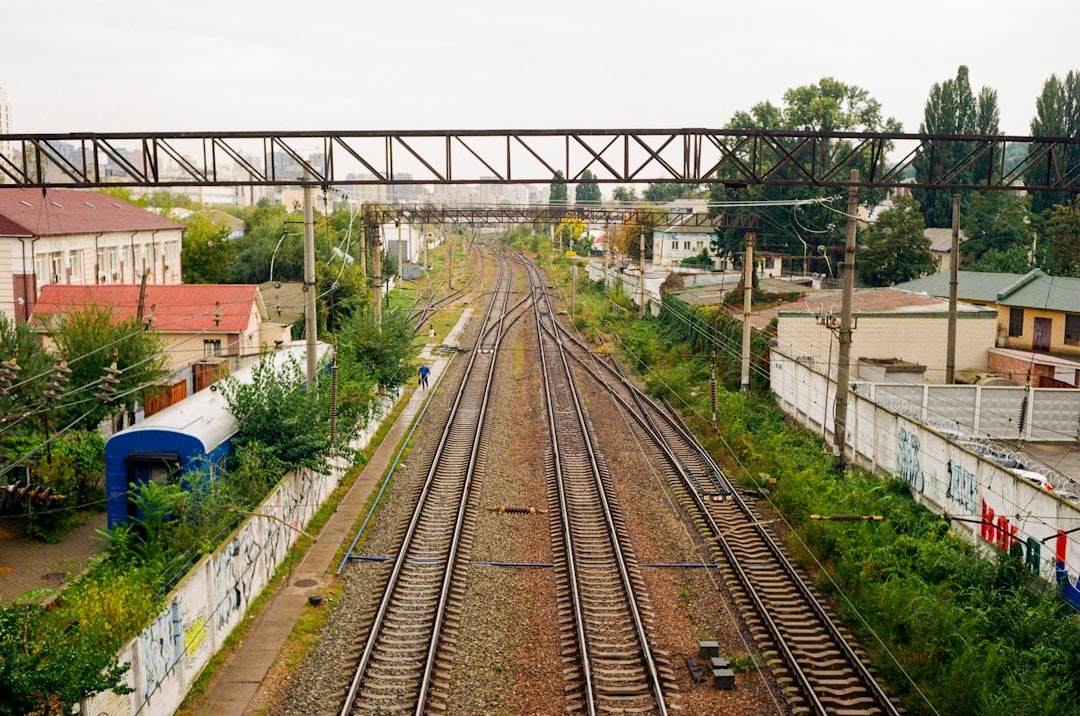
The targeting of railway infrastructure poses a severe challenge to Ukraine's ability to move troops, equipment, humanitarian aid, and commercial goods. The vastness of Ukraine’s railway network, while robust, presents numerous vulnerable points. Disruptions can cascade, delaying vital supplies and impacting economic output. The specific mention of municipal water supply infrastructure marks a particularly escalatory step, as clean water is a fundamental human necessity. Such attacks can lead to public health crises, complicate recovery efforts, and place immense strain on local authorities. Ukraine's strategy of scaling up protection must therefore encompass not just the interception of incoming threats, but also the rapid repair and hardening of critical sites, along with sophisticated early warning systems tailored to these new types of targets. This necessitates a detailed understanding of Russian weapon systems, flight paths, and intelligence gathering on their tactical adaptations.
Ukraine's Adaptive Response and International Implications
President Zelenskyy's emphasis on "promptly taking into account changes in Russian tactics" highlights a dynamic, intelligence-led approach to defence. This involves continuous analysis of strike patterns, munition types, and target selection to predict future threats and optimize defensive deployments. The reliance on advanced Western air defence systems, such as Patriot and NASAMS, becomes even more critical in this context, requiring continuous supply and integration with Ukrainian command structures. The international community, already a key supplier of military aid, will need to consider how to support Ukraine in hardening its non-military critical infrastructure against these evolving threats, potentially through more specialized defensive technologies or reconstruction assistance. The broader implication is that the war is increasingly moving beyond traditional military engagements to a persistent campaign of infrastructure warfare, with profound effects on civilian populations and long-term recovery.
Public Sentiment
Across the affected regions, including Sumy, public sentiment reflects a blend of weariness and determined resilience. While the targeting of essential services like water and rail undeniably impacts daily life and fosters concern, there is a palpable resolve among citizens and local authorities to adapt. Communities are prioritizing communal efforts to safeguard resources and ensure operational continuity of vital services. Residents express a pragmatic understanding of the evolving threat landscape, reinforcing their commitment to supporting repair efforts and maintaining vigilance against new forms of aggression. The focus remains squarely on sustained functionality and the collective will to overcome these systemic disruptions.
Conclusion
The conflict in Ukraine continues to evolve in its destructive methods, with critical infrastructure now firmly established as a central battleground. President Zelenskyy's swift directive to fortify air defences in Sumy Oblast underscores Ukraine's commitment to an adaptive defence strategy, essential for mitigating the impact of Russia's increasingly broad and debilitating targeting of national lifelines. Ukraine's ability to maintain its operational capacity and civilian resilience in the face of these sophisticated threats will be a decisive factor in the ongoing struggle, necessitating continuous strategic adjustments, international support, and an unwavering national resolve.