Key Takeaways
-
Turning Point USA launched the "All-American Halftime Show" as a family-friendly alternative to mainstream entertainment.
-
The initiative stemmed from years of founder Charlie Kirk's critiques of pop culture performances.
-
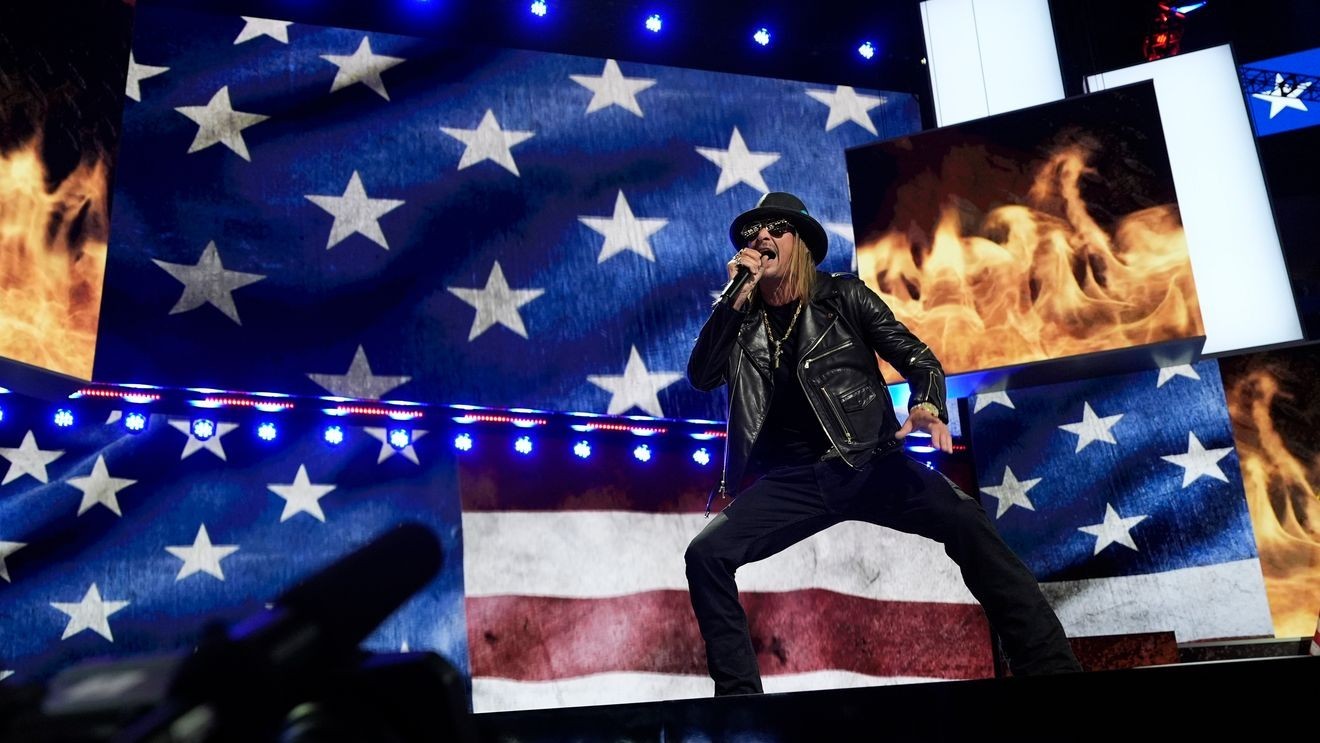
The show features artists like Kid Rock and Gabby Barrett, emphasizing "immersive" and "high-octane" faith-integrated performances.
-
TPUSA views this cultural venture as part of its broader mission to reclaim institutions and counter what it perceives as alienating mainstream content.
-
The organization also maintains significant political engagement, including voter registration and building a "red wall" in key states.
A Cultural Counter-Offensive Emerges
Turning Point USA (TPUSA), primarily recognized for its conservative political activism and youth engagement, has broadened its operational scope by launching the "All-American Halftime Show." This venture marks a strategic foray into the entertainment industry, positioned as a direct response to what the organization describes as growing dissatisfaction with mainstream cultural offerings. The genesis of this initiative, according to TPUSA spokesperson Andrew Kolvet, dates back to 2014, when founder Charlie Kirk began publicly critiquing halftime performances. Over the years, Kirk's commentary evolved from social media posts into a formalized project, driven by increasing public debate and inquiries from media outlets regarding TPUSA's intentions to create its own show.
Kolvet emphasized that the "All-American Halftime Show" is not merely an event but a statement, crafted to cater to audiences seeking entertainment that aligns with what TPUSA defines as "family-friendly" values. He noted the organization's unique position to execute such a large-scale event, leveraging its extensive experience in producing cultural programming and major conferences. [FEATURED]
Crafting an Alternative Entertainment Experience
The show features a lineup of prominent artists, including Kid Rock, Brantley Gilbert, Lee Brice, and Gabby Barrett. Kolvet characterized their participation as "brave," acknowledging the potential for backlash from elements of the entertainment industry and public, suggesting some performers declined involvement due to these concerns. The production promises an "immersive" and "high-octane" experience, designed with close-up staging rather than the distant perspective of stadium-scale events. Artists are expected to weave themes of faith and their hit songs into the performances, delivering what Kolvet describes as "great music for people that love great music" without requiring parents to "shield their children's eyes."
The core message, as articulated by Kolvet, is one of inclusion for audiences who feel marginalized by current entertainment trends. He stated, "There's a place for them," referring to families and individuals who desire "excellent music and performances" but increasingly feel disconnected from content originating from Hollywood and major award shows. This initiative, therefore, serves a dual purpose: providing an entertainment alternative while simultaneously reinforcing TPUSA's narrative of being a voice for the underserved.
Beyond the Stage: A Broader Institutional Strategy
While the "All-American Halftime Show" represents a significant cultural engagement, it operates within TPUSA's broader strategic framework, which extends deeply into political campaigns and voter registration. Kolvet highlighted the organization's focus on building a "red wall" in electorally significant states such as New Hampshire, Nevada, and Arizona. This effort aims to solidify Republican electoral advantage, making it challenging for Democratic candidates to succeed in national races. He cited a notable voter registration shift favoring Republicans in New Hampshire, attributing it to TPUSA's ground efforts and the state's specific political dynamics.

Kolvet framed these multi-faceted endeavors as part of a larger mission: "We need our own long march back into the institutions to reclaim them." This statement underscores a long-term vision of cultural and political influence, echoing historical movements focused on institutional capture. The emphasis on "courage," a virtue frequently invoked by Charlie Kirk, is presented as fundamental to these efforts, defining the work as a crucial battle between "light versus dark, goodness versus evil." This ideological framing is central to how TPUSA positions its activities, including its entertainment ventures, within a broader cultural conflict.
Public Sentiment (TPUSA's Perspective)
Andrew Kolvet's remarks consistently frame the "All-American Halftime Show" as a response to perceived public sentiment among a specific demographic. The organization posits that a substantial portion of the American public feels "out of touch with what they're seeing out of Hollywood and major award shows." This sentiment, according to TPUSA, generates a demand for entertainment that is not only high-quality but also aligns with what they define as "faith and family values" and is free from overtly political messaging—a claim that is itself open to interpretation given the organization's clear political identity. Kolvet's recurring theme is that "many families want content they feel comfortable watching together," suggesting a significant void in the current entertainment landscape that TPUSA aims to fill.
Conclusion
The launch of the "All-American Halftime Show" by Turning Point USA is more than just a concert series; it is a calculated expansion of a conservative political organization into the cultural arena. By offering a curated entertainment experience, TPUSA seeks to address a perceived void for family-friendly, values-aligned content, simultaneously reinforcing its broader political and ideological objectives. This initiative exemplifies a growing trend where political movements increasingly leverage cultural platforms to engage with and mobilize their base, signaling a continued convergence of politics and entertainment in the contemporary landscape. The success of this venture will likely be measured not only by attendance and viewership but also by its ability to further TPUSA's ambition of a "long march back into the institutions," one cultural performance at a time.