Netanyahu's Perilous Compromise
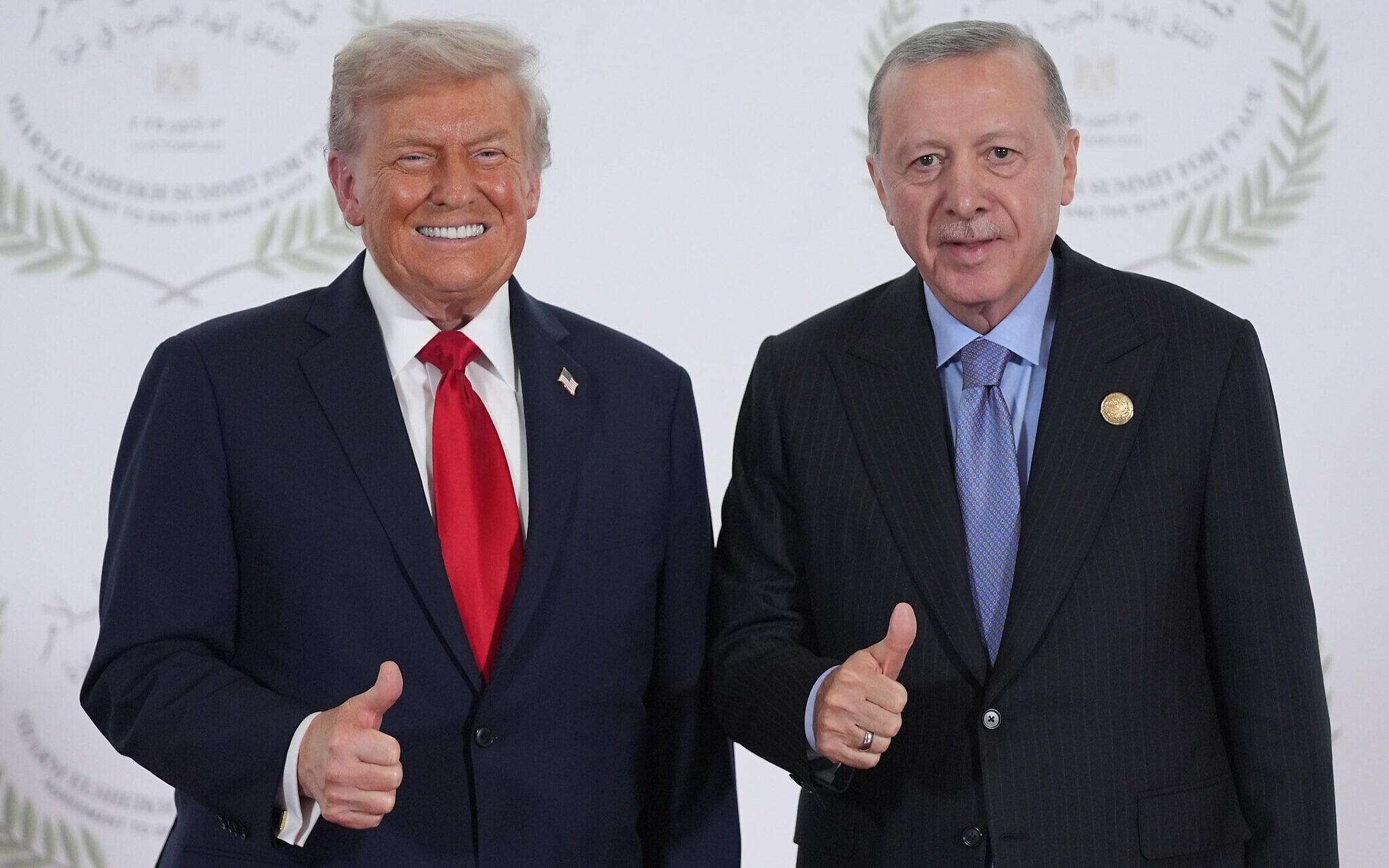
Prime Minister Benjamin Netanyahu, typically resolute in his defense of Israeli security, now finds himself in an untenable bind. Publicly, he attempts to downplay concerns regarding US President Donald Trump’s phase two plan for Gaza, rhetorically shrugging off the inclusion of Hamas-backing nations Turkey and Qatar on the powerful Gaza Executive Board. Yet, behind the carefully constructed facade, Netanyahu understands the profound danger: this plan, with hostile actors in key roles, is less a blueprint for Hamas’s demise and more a pathway to its insidious rehabilitation.
The dilemma is stark. Having recently secured a major diplomatic victory with the release of nearly all hostages under Trump’s phase one, Netanyahu cannot afford to alienate the US President. His direct line to the Oval Office is deemed too crucial for Israel's "freedom of action" against Hamas. The Saturday night message from his office, condemning Ankara and Doha's inclusion, was the year’s first direct criticism of Trump policy—a clear indication of the tightrope he walks. This compromise, however, comes at a potentially devastating cost: relinquishing tangible control over Gaza's future in exchange for political expediency.
A Vision Built on Sand: Trump’s Naive Optimism
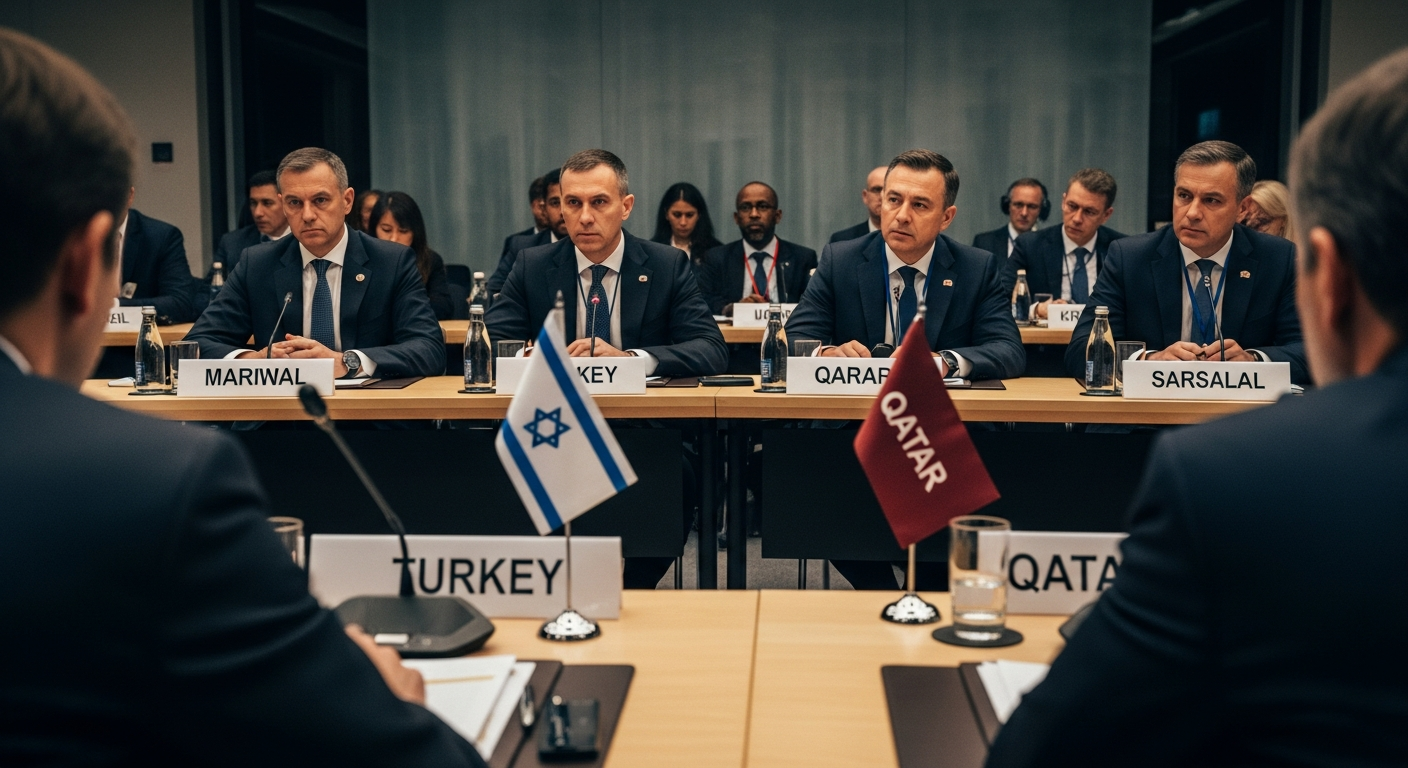
The composition and declared objectives of Trump's "Board of Peace and Gaza Executive Board" read like a recipe for geopolitical discord rather than lasting peace. The Executive Board, slated to be a decisive body for Gaza’s future, includes Turkish Foreign Minister Hakan Fidan, a former spymaster representing a "proud Hamas backer," and Qatar's senior diplomat Ali Thawadi, from another known Hamas safe haven. Conspicuously absent is any Israeli official. Netanyahu, if he accepts the invitation to the largely symbolic Board of Peace, would sit alongside figures like Erdogan and Putin, effectively diluting Israel's voice and influence on matters critical to its border security.
The White House's rationale for this arrangement borders on the astonishingly naive. In a recent briefing, top US officials painted a picture of a new era in Gaza, asserting that Hamas "just wants a good life" and describing the group as if it were an "honest broker." One official went so far as to suggest, "We've talked to a number of Hamas people, and we're hearing throughout the Arab world that people don't want to be at war anymore. They want peace. They want a better economic future for their families. They want credible homes." This remarkably detached perspective conveniently overlooks nearly two decades of Hamas's brutal repression, its diversion of international aid to build terror infrastructure, and the horrifying atrocities of October 7, 2023. To characterize the architects of such carnage as simply seeking "a good life" strains credulity and demonstrates a worrying disconnect from regional realities.
Eroding Israel's Security Sovereignty
For decades, Israel has maintained an unwavering commitment to controlling its own security, especially regarding threats emanating from its borders. Netanyahu himself repeatedly pledged, "IDF forces will remain in control of the Strip; we will not give it to international forces," and "we will make our own decisions." Yet, these promises now ring hollow. The establishment of the Gaza Executive Board, empowered to oversee a new technocratic Palestinian administration for the Strip, drastically waters down Israel's ability to shape events just across its border.
The legitimacy for a decisive Israeli operation to break Hamas—a scenario Netanyahu had once threatened as "the hard way"—dissipates with every passing day under this new international framework. The deployment of international forces, even if ostensibly for stabilization, would further complicate any future Israeli military action, effectively hamstringing its freedom of movement and self-defense. This erosion of control directly contravenes Israel's strategic imperatives and creates a dangerous vacuum that Hamas is all too eager to exploit.
The Illusion of Disarmament
Perhaps the most concerning aspect of Trump's phase two is the purported plan for Hamas's disarmament. US officials suggest this will occur through "dialogue," with the US acting as a "neutral arbiter" between Hamas and Israel. They even floated the idea of an "amnesty program" for Hamas fighters. This optimistic projection is deeply problematic. With the immediate threat of a full-scale Israeli military campaign seemingly lifted, Hamas possesses virtually no incentive to disarm. Its weapons—from rifles to rockets—are its primary currency of power, both militarily and politically.


Furthermore, the very actors now sitting on the Gaza Executive Board—Turkey and Qatar—are more likely to empower Hamas than disarm it. Their historical support suggests they would ensure the terror group retains a means of leverage against Israel. Even the "International Stabilization Force," which has struggled to recruit members willing to engage in combat with Hamas, is unlikely to forcibly disarm tens of thousands of dedicated fighters. US officials compounded this concern by implying that "basic policing" weapons for Gaza's population could mean Hamas retaining its rifles, a breathtaking proposition given Hamas's use of these very weapons to massacre Israelis on October 7 and execute dissidents post-ceasefire. This narrative—that Hamas's weapons could "guarantee Gazans' freedom and safety"—is not just novel; it is profoundly cynical and dangerous.
Public Sentiment and the Unseen Costs
The current trajectory starkly contrasts with the anguished public sentiment that has gripped Israel since October 7. While Tel Aviv protesters clamored for hostage release above all else, and Netanyahu's political allies pushed for Hamas's total defeat, Trump's plan appears to have inadvertently secured one at the expense of the other. The release of hostages, while a monumental relief, seems to have been achieved by ceding ground on Hamas's ultimate dismantling.
Netanyahu's gamble is a high-stakes one. If the White House's "Board of Peace project" effectively ices out Israel and fails to genuinely dismantle Hamas, the consequences will be dire. Hamas, emboldened and potentially re-legitimized, will remain a potent threat to Israel's future. And for Netanyahu, facing elections this year, the failure to definitively neutralize Hamas while having relinquished strategic control could mean the abrupt end of his own political career. The "easy way" is proving illusory, and the path ahead is fraught with risks that Israel, and its leadership, may come to regret deeply.
Conclusion
The "Rusty Tablet" finds Prime Minister Netanyahu’s predicament deeply troubling. His strategic embrace of Trump’s phase two, driven by the imperative to maintain crucial US ties, risks being a Faustian bargain. While securing the hostages’ return was paramount, the current pathway for Gaza appears to sacrifice Israel’s long-term security control and offer a lifeline to Hamas. The international community, led by a remarkably naive White House, seems prepared to legitimize the very forces Israel has fought to defeat. The coming months will reveal whether Netanyahu's gamble pays off, or if Israel wakes up to a revived Hamas, a weakened security posture, and a future dictated by external powers more sympathetic to its enemies.