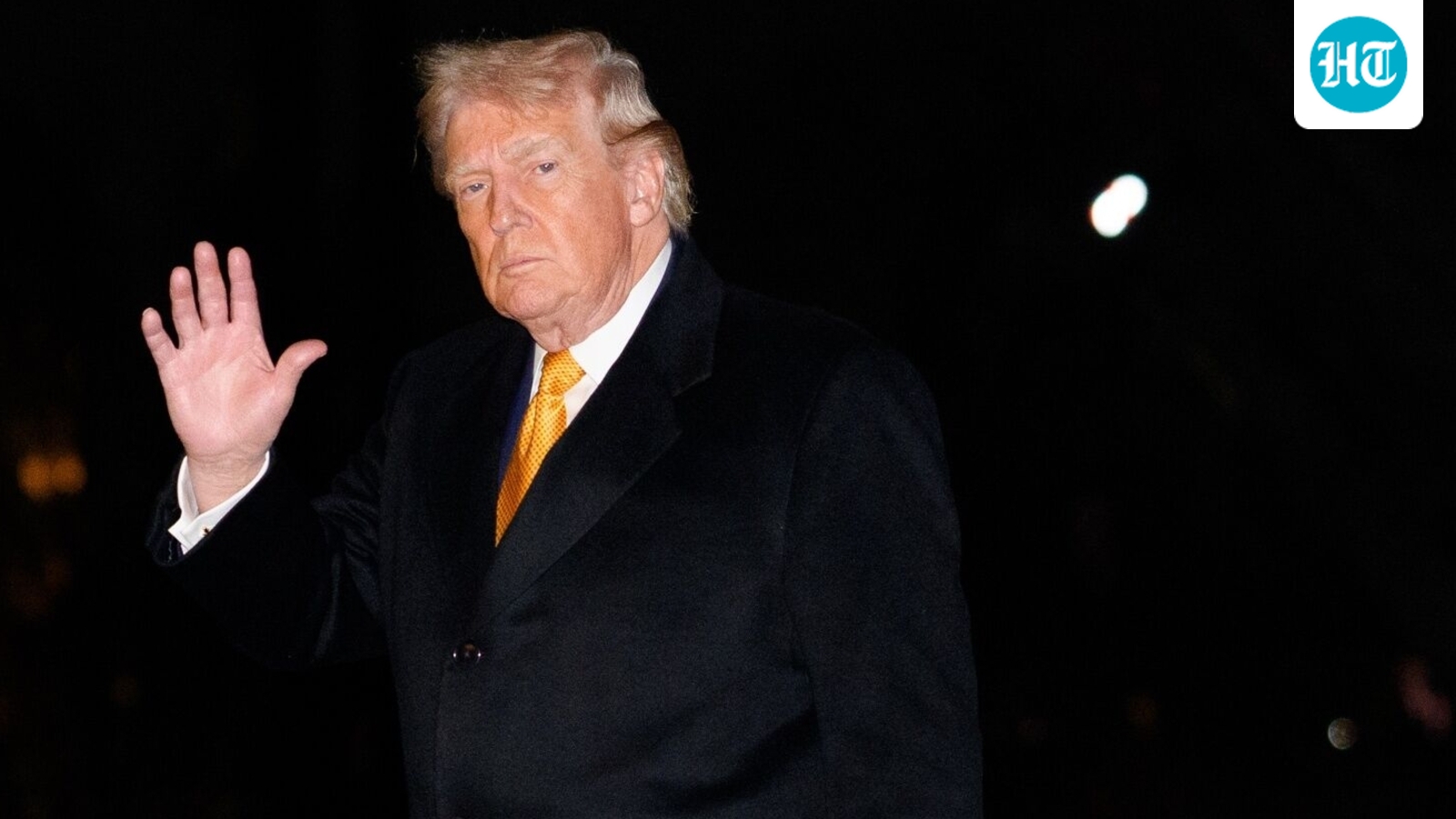
The echoes of gunboat diplomacy resonate through the recent developments in Venezuela, where the US administration, under President Donald Trump, has orchestrated a significant geopolitical manoeuvre. Following a period of intense pressure and last week's US strikes that led to the capture and removal of President Nicolas Maduro, a new interim authority led by Delcy Rodriguez now faces a set of demands that appear less like diplomatic negotiations and more like dictates for economic and political capitulation.
Key Takeaways
-
Unprecedented Demands: The US is demanding Venezuela sever all economic ties with China, Russia, Iran, and Cuba, in exchange for being allowed to pump more oil.
-
Exclusive Partnership: Venezuela must agree to an exclusive oil production and sales partnership with the United States.
-
Resource Seizure: President Trump announced the US will take 30-50 million barrels of Venezuelan oil, selling it and controlling the funds directly.
-
Financial Leverage: The US is exploiting Venezuela's immediate financial vulnerability – full oil tankers and impending insolvency – to enforce its demands.
-
Sovereignty Concerns: Critics argue these actions represent a severe infringement on Venezuela's national sovereignty and international law, setting a dangerous precedent for resource control.
The Coup and Its Aftermath: A Calculated Power Play
The swift turn of events in Venezuela, culminating in the dramatic capture of President Nicolas Maduro and his subsequent incarceration in a New York City jail, has fundamentally altered the nation's political landscape. Delcy Rodriguez, propelled into the role of interim president, now finds herself presiding over a country in crisis, directly under the thumb of Washington's demands. This regime change, facilitated by US intervention, has paved the way for the White House to impose conditions that many international observers deem extraordinary and coercive.
Trump's Demands: A New Doctrine of 'America First' Hegemony?
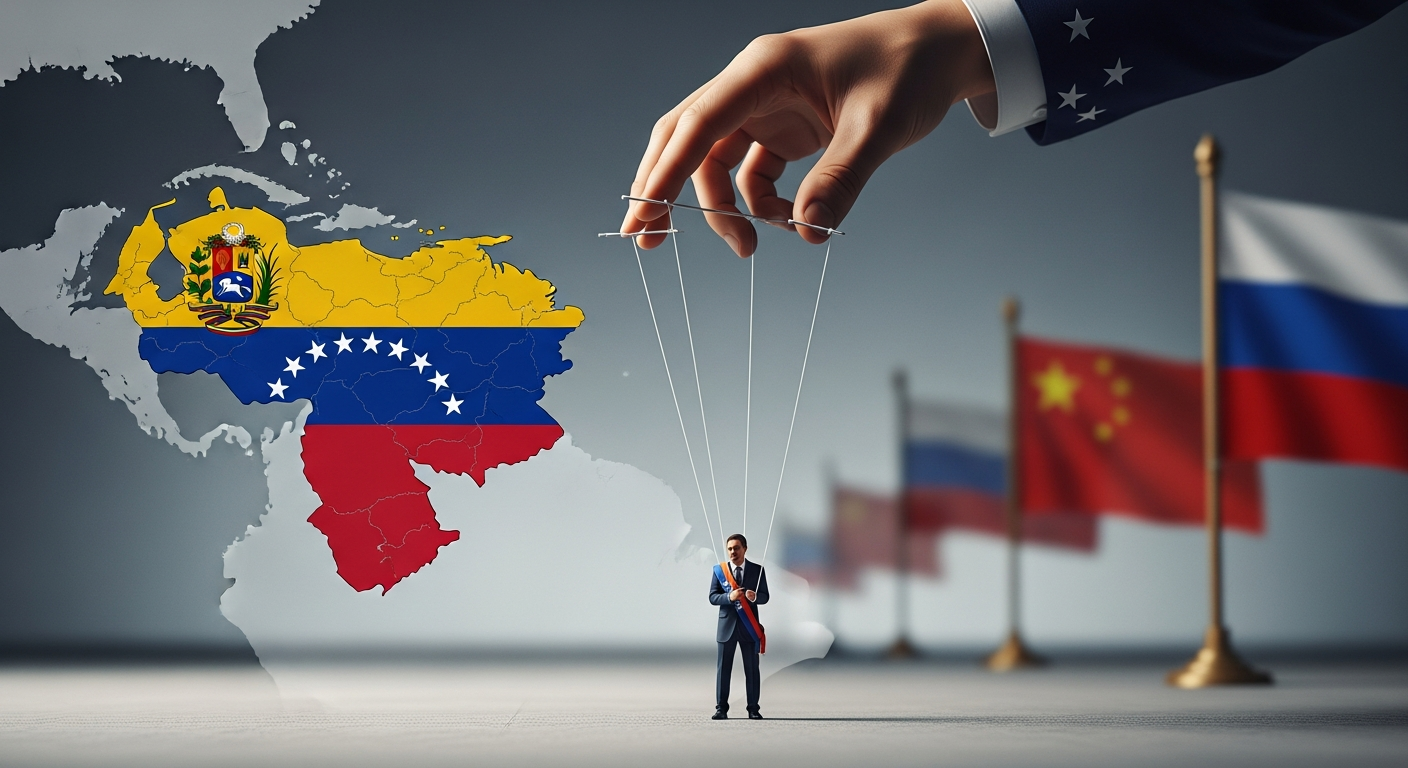
At the heart of the Trump administration's strategy are two non-negotiable demands. Firstly, Venezuela "must kick out China, Russia, Iran, and Cuba and sever economic ties," a sweeping directive that aims to dismantle years of established geopolitical alliances and economic relationships. This isn't merely about political alignment; it's an overt attempt to isolate Venezuela from any alternative support structures, leaving it vulnerable and dependent solely on the US sphere of influence. Such a demand, if met, would effectively reorient Venezuela's foreign policy entirely to Washington's specifications, stripping it of agency on the global stage.
The second demand is equally audacious: Venezuela must "agree to partner exclusively with the US on oil production and back America when selling heavy crude oil." This clause goes beyond mere partnership; it dictates a monopoly, ensuring that one of the world's largest proven oil reserves becomes a captive asset for US strategic and economic interests. It effectively means that the profits, distribution, and future of Venezuela's most vital resource would be unilaterally managed to serve American priorities, under the guise of 'stabilisation'.
Weaponizing Oil and Debt: The Scramble for Caracas's Reserves
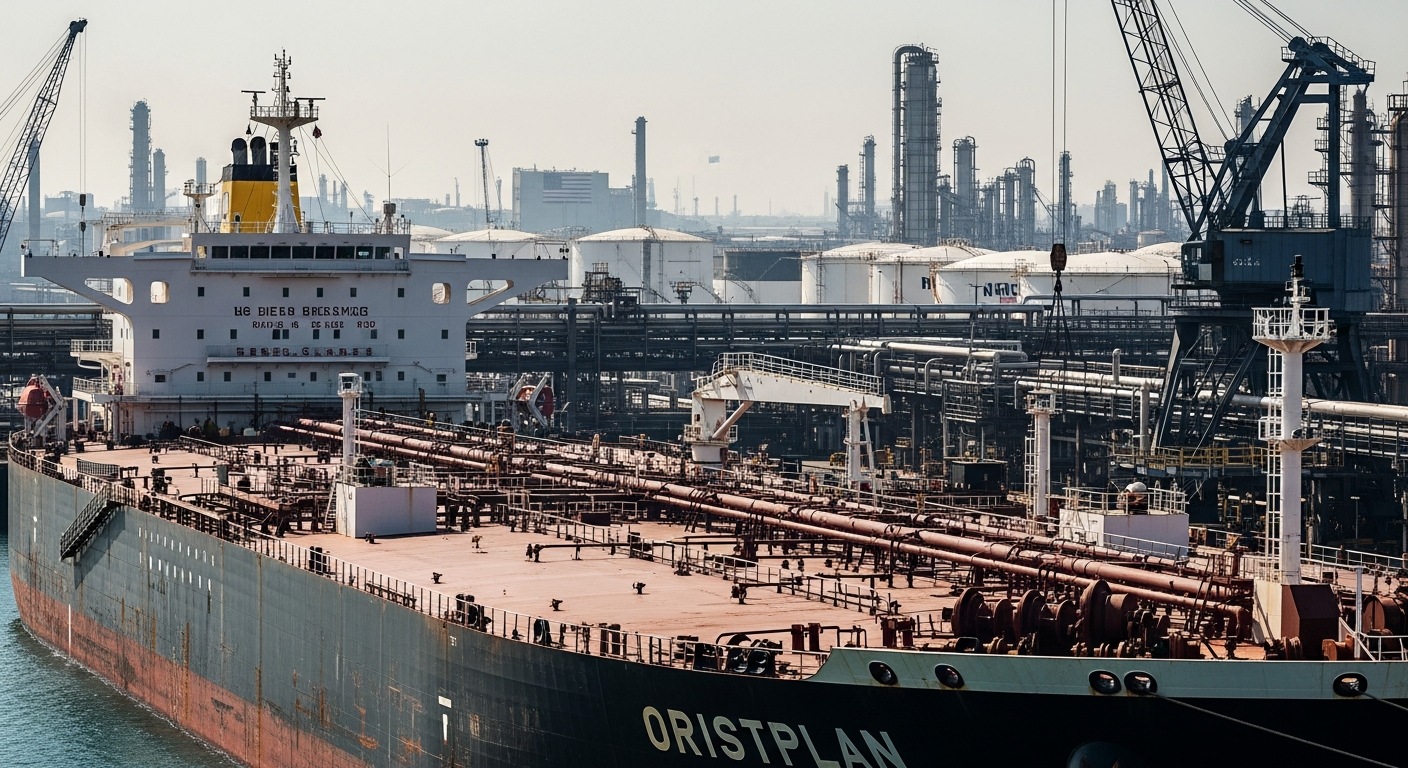
The Trump administration is acutely aware of Venezuela's dire economic straits. US Secretary of State Marco Rubio reportedly briefed lawmakers, asserting that Venezuela's existing oil tankers are completely full, leaving no capacity for further exports. He claimed Caracas has only "few weeks" before financial insolvency without the sale of its oil reserves. This creates a critical choke point, a perfect storm for the US to exert maximum pressure.
Senate Armed Services Committee chairman Roger Wicker confirmed the US plan revolves around "controlling Venezuela's oil," explicitly stating, "none of them are going to go to Havana... And until they start moving -- we hope to the open market -- there are no more tankers to fill, because they're totally full." This candid admission underscores the intent: to throttle Venezuela's economy until it bends to American will, without the direct deployment of troops but through overwhelming economic and logistical control. The 'open market' here is clearly defined by American terms.
The 'Seizure' of Venezuelan Oil: A Stark Warning to the World
The most controversial aspect of this unfolding saga came directly from President Trump himself. In a post on Truth Social, he announced that the "interim authorities" in Venezuela would be "turning over between 30 million and 50 million barrels of High Quality, Sanctioned Oil, to the United States of America." Crucially, Trump added that this oil "will be sold at its Market Price, and that money will be controlled by me, as President of the United States of America, to ensure it is used to benefit the people of Venezuela and the United States!"
This declaration represents an unprecedented act of economic intervention. The unilateral seizure of another sovereign nation's primary resource, with the stated intention of the US President personally controlling the funds, raises fundamental questions about international law, national sovereignty, and the principle of non-intervention. While framed as benefiting both nations, the reality is that the control rests solely with the US, dictating how a sovereign nation's assets are managed. This move could be interpreted as asset stripping under duress, setting a perilous global precedent.
Public Sentiment: A Chorus of Concern and Condemnation
Across international forums and within geopolitical circles, the reaction to the Trump administration's actions in Venezuela has been met with a mix of alarm and outright condemnation. Many perceive this as a blatant violation of international law and a dangerous escalation of economic warfare. "This isn't about democracy; it's about resource control, pure and simple," remarked one prominent political analyst, echoing widespread concerns. "To dictate who a sovereign nation can trade with, and then to unilaterally seize its primary export, crosses a line that gravely undermines the principles of national self-determination." Developing nations, in particular, view these actions with apprehension, fearing that such tactics could be replicated against any country deemed strategically important or politically inconvenient by a dominant power. The idea that a powerful nation can 'manage' another's resources 'for its benefit' is reminiscent of colonial expropriation, sparking deep unease about the future of global economic relations.
Conclusion: A Troubling Precedent for Global Resource Governance
What unfolds in Venezuela is more than just a regional crisis; it is a profound test of international norms and the limits of power projection. The Trump administration's strategy, rooted in leveraging economic vulnerabilities and dictating geopolitical alliances, culminating in the direct control over a sovereign nation's natural resources, casts a long shadow over the future of international relations. The 'Rusty Tablet' remains vigilant, questioning whether this aggressive posture, ostensibly aimed at 'benefiting' the people of Venezuela, will ultimately serve only to entrench US economic and geopolitical interests, leaving Venezuela's sovereignty, and indeed the principles of international law, irrevocably compromised. The world watches, nervously, to see if this raw exercise of power becomes a blueprint for a new, more coercive era of global resource governance.