Key Takeaways
-
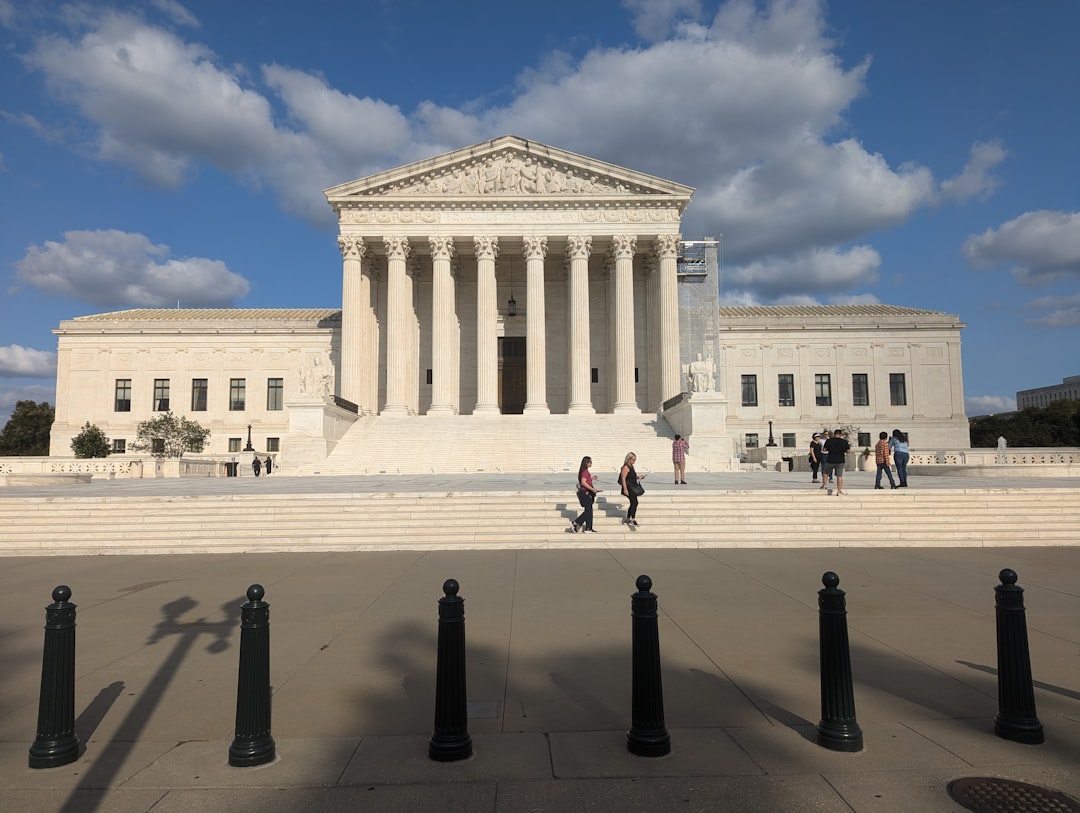
Supreme Court Review: The U.S. Supreme Court is set to rule on the legality of tariffs imposed by former President Donald Trump, specifically those levied under national security pretexts.
-
Trump's Warning: Trump stated the U.S. would be "screwed" if the court deems his tariffs illegal, highlighting potential economic and political repercussions.
-
Executive Power Under Scrutiny: The case challenges the extent of a president's authority to impose tariffs without direct congressional approval, focusing on the interpretation of existing trade laws.
-
Economic Impact: A ruling against Trump's tariffs could lead to significant refunds, alter future trade negotiations, and potentially shift global supply chains.
The Legal Battle Over Tariffs
Former President Donald Trump's administration made extensive use of tariffs, particularly on goods from China and other countries, often citing national security concerns under Section 232 of the Trade Expansion Act of 1962. These tariffs, aimed at protecting domestic industries and compelling trade concessions, sparked significant debate and legal challenges from businesses and importing groups. The core of the current Supreme Court case revolves around whether the president overstepped his authority by implementing these tariffs, or if existing statutes grant sufficient power to the executive branch in matters of national security and trade.

The legal argument centers on the separation of powers. Challengers contend that Congress, not the President, holds the primary constitutional authority to regulate commerce and impose taxes, including tariffs. Granting the President unilateral power to impose tariffs under broad interpretations of national security could be seen as an undue delegation of legislative power, potentially upsetting the delicate balance of the U.S. governmental structure.
Trump's Dire Warning and Potential Repercussions
President Trump's recent declaration that the U.S. would be "screwed" if the Supreme Court rules against his tariffs underscores the high stakes involved. His statement reflects concerns that overturning these tariffs could not only dismantle a key pillar of his past trade strategy but also severely limit the tools available to future presidents in handling trade disputes or perceived economic threats. If the Supreme Court sides with the challengers, the decision could necessitate the refund of billions of dollars in collected tariffs, creating a complex logistical and financial challenge for the U.S. Treasury.
Beyond financial implications, such a ruling could embolden other nations to challenge U.S. trade measures, potentially weakening the country's negotiating position in future international trade talks. It would also force a re-evaluation of how the U.S. executive branch can use economic leverage to achieve foreign policy objectives, possibly leading to a more congressional-centric approach to trade policy. The broader impact on global supply chains and manufacturing decisions, which have adapted to the tariff landscape, would also be significant.
Public Sentiment
The public discourse surrounding the Supreme Court's impending decision is varied. Many business owners and importers, who bore the cost of the tariffs, express hope for a ruling that would reduce their operational expenses and bring more predictability to trade. "These tariffs hit our bottom line hard; a clear ruling would provide much-needed stability," remarked one textile importer. Conversely, some domestic manufacturers and proponents of protectionist policies fear that overturning the tariffs could expose them to increased foreign competition. "We need these protections to keep our factories running and jobs in the country," stated a manufacturing lobbyist. Legal experts and civil liberties advocates also weigh in, emphasizing the importance of upholding constitutional checks and balances, regardless of the immediate economic outcome.
Conclusion
The Supreme Court's forthcoming decision on the legality of President Trump's tariffs is more than just a legal technicality; it is a critical juncture for U.S. trade policy and the constitutional framework governing executive power. The ruling will not only determine the fate of past tariffs but also establish a precedent that could shape how future administrations navigate complex global trade relations. As the nation awaits the verdict, the ramifications for the economy, international diplomacy, and the balance of governmental power remain significant.