
Key Takeaways
-
Trump's proposed 25% tariffs on Iran-trading countries could push Chinese shipments to the U.S. beyond 70% levies, significantly higher than previous trade war peaks.
-
China's official trade with Iran has drastically reduced since 2018, though 'off-the-books' oil purchases by independent refiners continue.
-
Beijing views Trump's threat as a potential 'bluff,' an attempt to pressure Iran, but is prepared to 'resolutely safeguard its legitimate rights and interests.'
-
The move challenges Xi Jinping's Belt and Road Initiative and China's foreign policy tenets, especially regarding non-interference.
-
Analysts are divided on whether Trump will follow through, citing his past inconsistent actions and the high stakes involved in confronting China.
The Iran Card: A Familiar Playbook
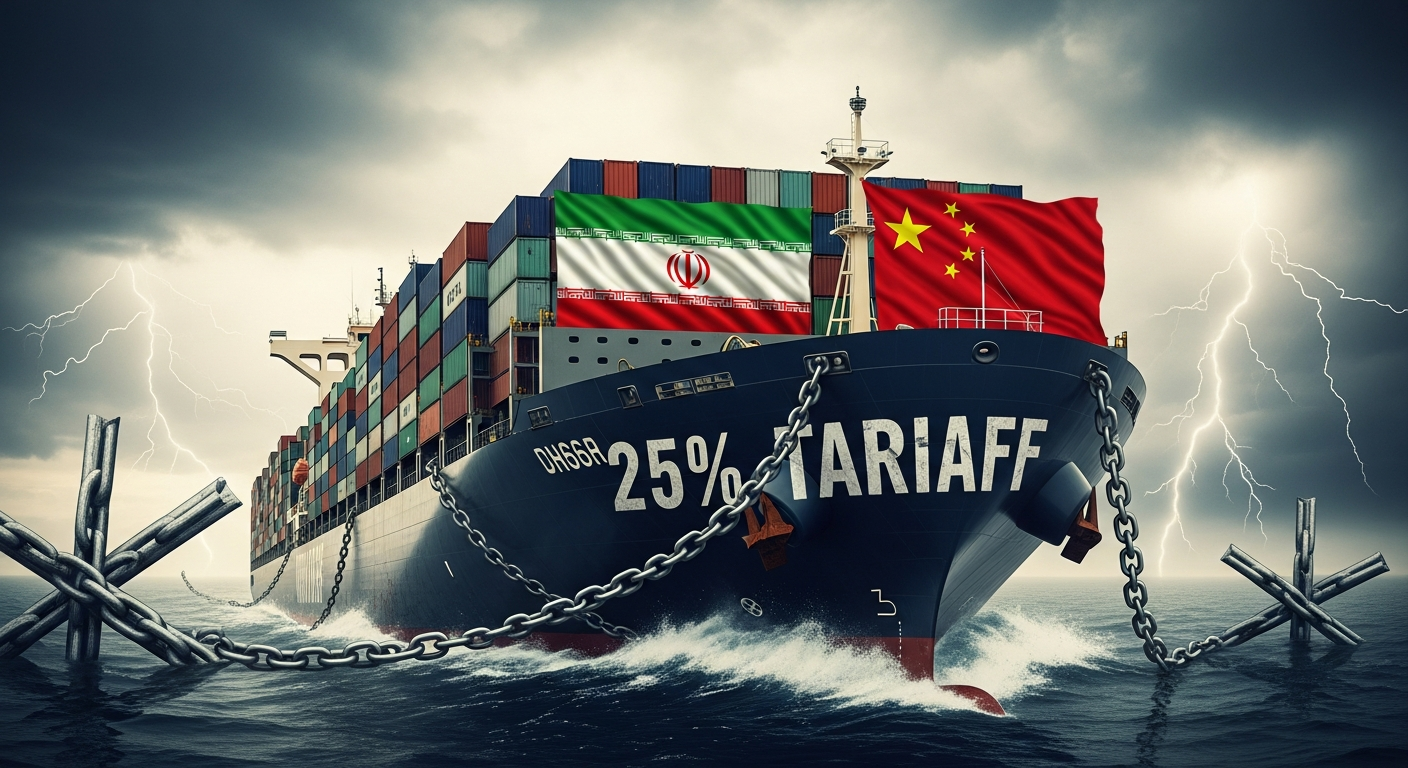
It seems that in the grand geopolitical poker game, Donald Trump never shies away from playing the 'Iran card.' During his first term, Tehran served as a major flashpoint in U.S.-China ties, most notably ensnaring Huawei – accused of selling technology to the Islamic Republic – in a sanctions net that led to the high-profile arrest of its founder's daughter. That episode, a bitter pill for Beijing, lingered like a bad hangover throughout the remainder of the administration. Now, with Iran once again in his crosshairs, the proposal of a fresh 25% duty threatens to make Chinese shipments to the U.S. incur levies exceeding 70%, a figure that makes previous 'trade war' tariffs look almost quaint.
The China Conundrum: Bluff or Barrier?
"China is just an excuse, a kind of disguise for the Trump administration, to impose new pressure toward Iran," offers Wang Jin, a fellow at the Beijing Club for International Dialogue think tank, with a hint of exasperation. Indeed, official Chinese customs data reveals a sharp reduction in Iranian imports, plummeting from a peak of $21 billion in 2018 to a mere $2.9 billion in the first 11 months of last year. Chinese companies, it seems, have learned to be wary of Uncle Sam's long arm.
However, this official caution masks a more intricate reality. Beijing reportedly moves around 80% of Iran's shipped oil, primarily through small, independent refiners adept at 'off-the-books' dealings to skirt U.S. sanctions. "China and Iran are not as close as in the public imagination," an anonymous Beijing-based academic advises, highlighting that while commercial ties beyond oil remain elusive, political relations have surprisingly deepened. So, while the official ledger might look sparse, the unofficial one keeps the crude flowing. Beijing's foreign ministry, when pressed, predictably affirmed its anti-tariff stance, vowing to "resolutely safeguard its legitimate rights and interests." One can almost hear the collective sigh.
Belt and Road Blues? Xi's Global Image at Stake
Beyond mere commercial interests, Trump's renewed push against Iran carries significant implications for Chinese President Xi Jinping. Iran, after all, is a strategic hub for the Belt and Road Initiative (BRI), envisioned as a vital conduit for Chinese goods flowing into the Middle East. Any disruption to Iran's global trade flows invariably casts a shadow over Xi's flagship project and his broader vision of a global security framework rooted in non-interference – a bedrock tenet of Chinese foreign policy. The recent U.S. capture of Venezuela's leader, Nicolas Maduro, hot on the heels of his meeting with China's Special Envoy for Latin America, serves as a stark reminder of how quickly geopolitical chess pieces can be rearranged. (Venezuela, it's worth noting, holds the exalted status of an "all-weather" strategic partner, while Iran is merely a "comprehensive strategic partner" – a subtle yet telling distinction in Beijing's diplomatic lexicon).
Calling the Bluff: Will Trump Follow Through?
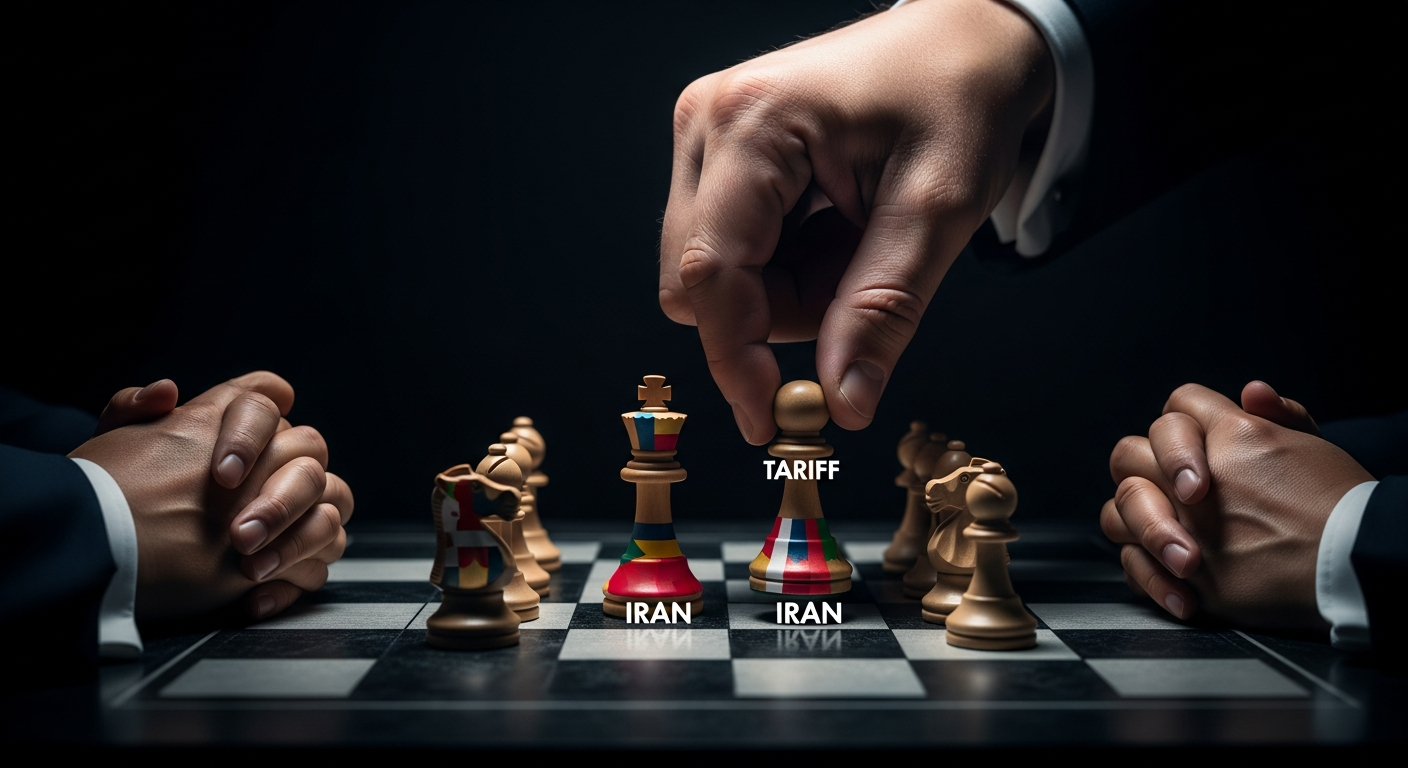
"Trump is, again, bluffing, and China will call the bluff. I can assure you that Trump has no guts to impose the extra 25% tariffs on China," declares Wu Xinbo, dean of Fudan University's Institute of International Studies, with a confidence bordering on defiance. Indeed, the U.S. president has a track record of making pronouncements that threaten to upend foreign policy without always following through – his 'patchy' implementation of Russian oil sanctions last year is a case in point. With Trump himself reportedly expecting to visit Beijing in April for a potential sweeping trade agreement, the timing of these threats feels particularly performative.
However, Xu Tianchen, an analyst at the Economist Intelligence Unit, warns that the stakes with China are considerably higher. "Trump is also the kind of person who likes bullying the weak," Xu observes, urging caution. "He should manage his actions to avoid these tariffs escalating into direct confrontation with China." Whether this latest move is a strategic chess play, a genuine threat, or simply the ramblings of a seasoned showman remains to be seen. What's clear is that Beijing is watching, and the world is holding its breath.