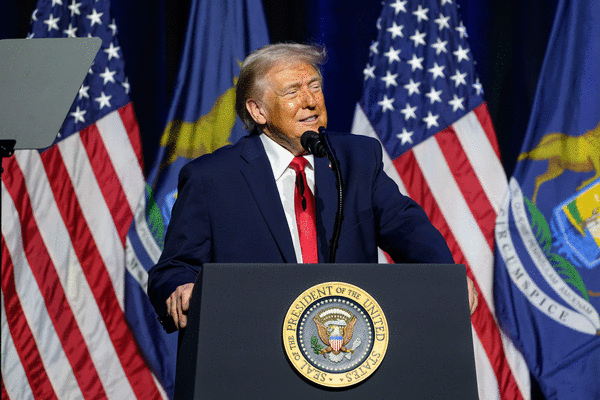
The political landscape is rife with policy disagreements, a natural byproduct of a robust democracy. Yet, what currently defines the political moment, particularly for the Republican Party, transcends mere policy disputes. It is the persistent pattern and posture of President Donald Trump, repeatedly launching attacks on the very institutional guardrails designed to ensure stability and uphold democratic norms.
Key Takeaways:
-
Politicizing the Fed: President Trump's public undermining of Federal Reserve Chair Jerome Powell signals a dangerous preference for political impulse over economic stability, historically leading voters, especially independents, to pay the price.
-
Internal Party Fractures: Lashing out at Republican senators, even those who largely supported his agenda, erodes coalition discipline and unity, crucial for midterm success.
-
Demographic Alienation: Harsh rhetoric and execution on issues like deportation are alienating significant voter blocs, such as Hispanic voters, for potentially generations.
-
Foreign Policy Volatility: Casual remarks on sensitive international matters alarm allies and national security professionals, highlighting a lack of restraint that carries significant global weight.
-
Systemic Instability: The cumulative effect of mocking institutions and weakening domestic coalitions is not merely partisan; it erodes trust, destabilizes markets, and transforms governance into theater.
Undermining Economic Stability: The Fed Attacks
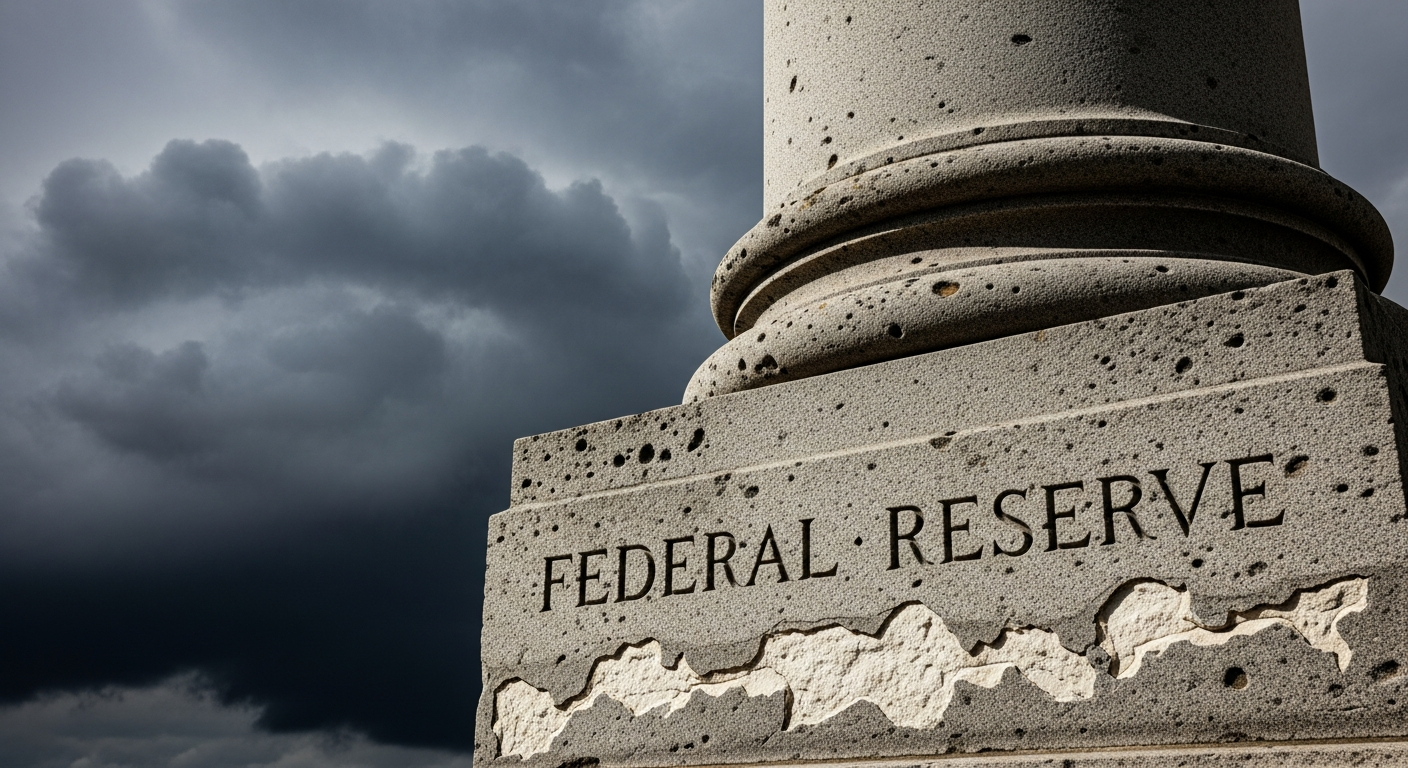
President Trump's public targeting of Federal Reserve Chair Jerome Powell is more than just tough talk; it's a dangerous precedent. The Fed's independence is a cornerstone of economic stability, shielding monetary policy from short-term political whims. When a president politicizes this critical institution, it sends an unmistakable signal to both domestic markets and international allies: political impulse now outweighs economic stability. History teaches us that such actions invariably result in a loss of confidence, with the ripple effects disproportionately impacting everyday voters and business stability. The long-term cost of this erosion of trust far exceeds any perceived short-term political gain.
Fracturing the Base: Internal Party Rifts
Amidst these external pressures, the President has simultaneously turned his fire inward, lashing out at Republican senators who, by and large, supported his legislative agenda. The sight of these former allies breaking ranks, even on specific issues like healthcare, is not a testament to presidential strength but rather a stark indicator of a severe erosion of coalition discipline. Midterm elections are fundamentally won on the twin pillars of turnout and unity. Such public infighting and rhetorical aggression inevitably fracture both, dampening enthusiasm among the base and alienating potential swing voters. A party at war with itself struggles to present a cohesive vision, inviting electoral vulnerability.
Alienating Key Demographics: The Cost of Identity Politics
Perhaps most strategically damaging is the President's approach to demographic realities. Hispanic voters, once a growing and reliable component of the Trump coalition, now exhibit high disapproval ratings. This shift is largely attributed to the tone and execution of his administration's deportation rhetoric. While border security remains a legitimate policy debate, when enforcement policies devolve into identity politics, the consequences are severe. Such actions risk losing entire generations of voters, effectively ceding crucial demographic ground for multiple election cycles, not just a single contest.
Foreign Policy Gambit: Rhetoric vs. Reality
The President's penchant for rhetorical freelancing on foreign policy further complicates matters. Casual talk of invading sovereign nations or escalating threats against adversaries might energize a loyal base, but it sends shockwaves through the international community. Allies are alarmed, moderates are disquieted, and national security professionals express profound concern. The words of a president carry immense weight, whether intended to be serious policy or merely provocative banter. Even if some voters applaud the outcomes of a swaggering foreign policy, such as the removal of a dictator, they remain deeply wary of unilateral actions that bypass congressional oversight and risk entangling the nation in conflicts it would rather avoid.
The Systemic Toll: Beyond Partisan Losses
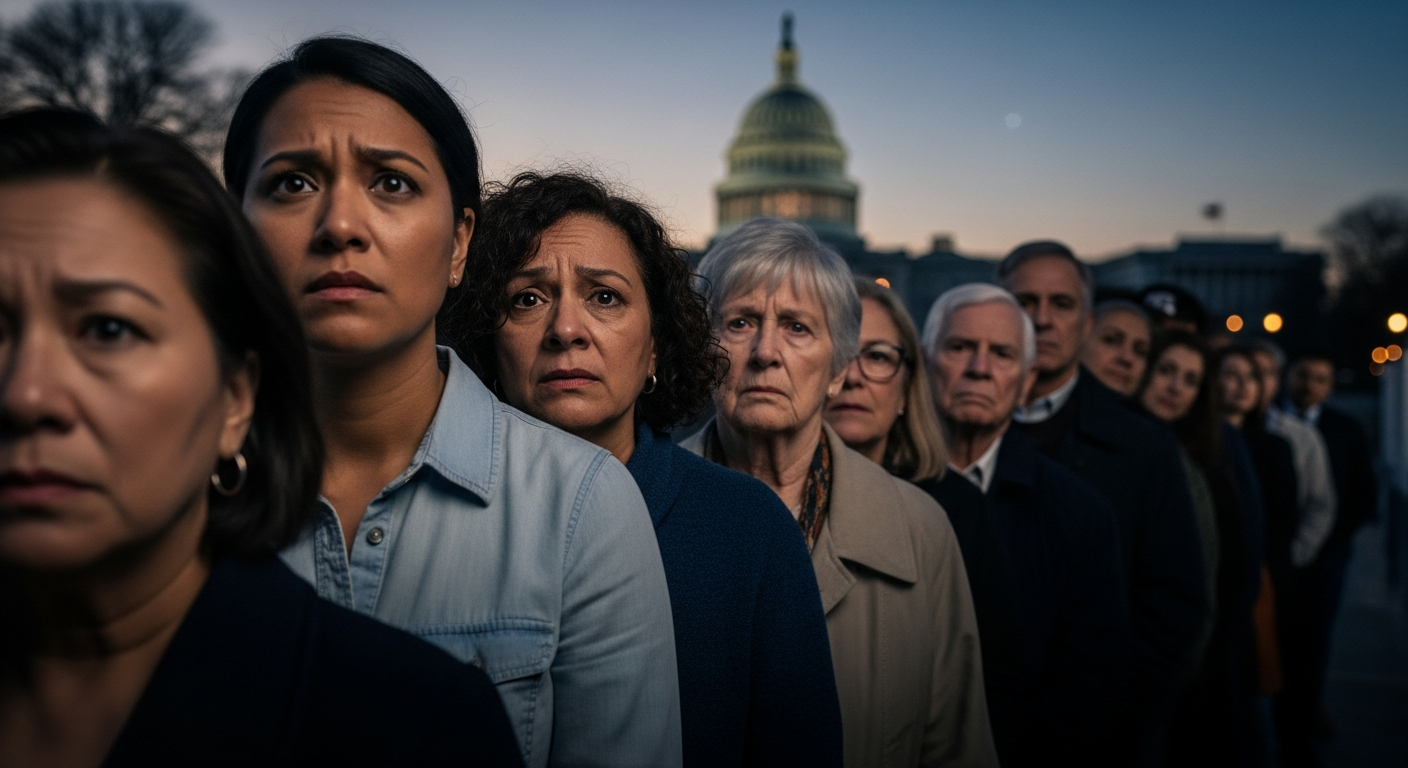
While voters in 2016 and 2024 certainly expressed a desire to see institutions tested when dissatisfied with the status quo, there's a critical distinction. Testing institutions implies reform; dismantling them risks chaos. When the guardrails protecting constitutional integrity and national stability come under sustained pressure, a pervasive nervousness takes hold among the populace. This anxiety is not merely partisan; it transcends political affiliation. The substantial loss of 41 House seats during Trump's first presidency serves as a potent reminder of this voter unease.
This concern extends to every citizen because democracies depend as much on norms as they do on laws. When institutions are publicly mocked, international allies unsettled, and domestic coalitions weakened, the cost is not merely partisan, but profoundly systemic. Financial markets wobble, public trust erodes, and the vital function of governance degenerates into mere political theater instead of responsible stewardship. Midterm elections often serve as a referendum on stability. The critical question voters are increasingly asking is not simply, "Do I like his policies?" but rather, "Can I trust the overall temperature of the room?" This profound uncertainty should be a grave concern for the Republican Party and indeed for anyone who believes that power necessitates restraint as much as conviction.