Trump's Afghan About-Face: A Calculated Pivot or Genuine Regret?
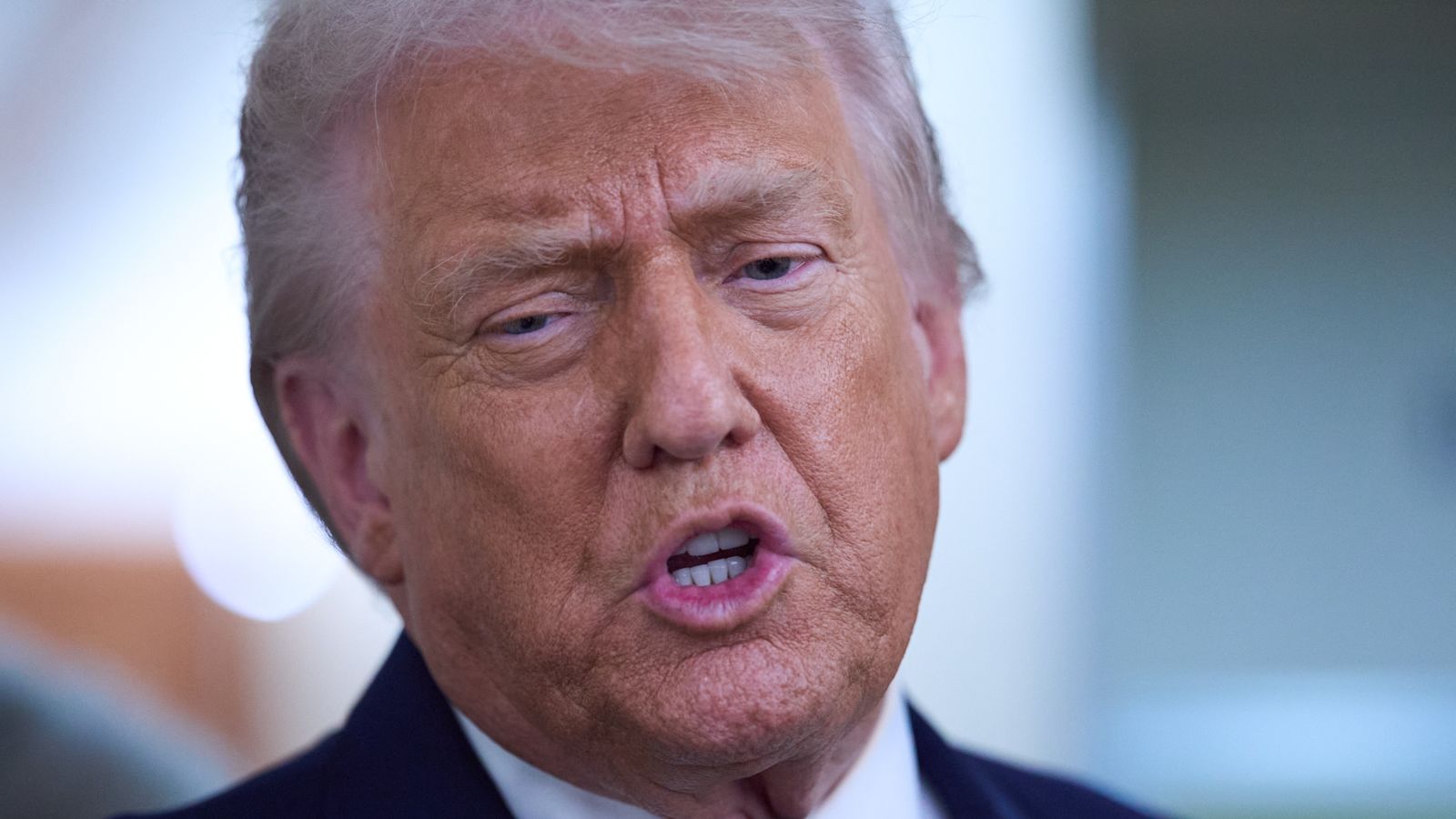
The political arena, particularly when global alliances are at stake, often demands a delicate balance of truth, diplomacy, and strategic posturing. Rarely is this dynamic laid bare with such stark contrast as in the recent statements from Donald Trump regarding British soldiers in Afghanistan. Within a span of mere days, the former US president transitioned from suggesting NATO allies 'stayed a little off the front lines' to hailing UK troops as 'among the greatest of all warriors.' This abrupt reversal compels an investigation into the motives, implications, and underlying pressures shaping such high-stakes rhetoric.
Key Takeaways
-
Rhetorical Whiff and Swift Correction: Trump initially sparked outrage by implying NATO allies, including the UK, shirked frontline duties in Afghanistan.
-
Damage Control: A subsequent social media post lavished praise on UK soldiers, describing their sacrifice as 'among the greatest,' a clear attempt to mitigate the diplomatic fallout.
-
Downing Street's Measured Response: The UK Prime Minister, following a direct intervention by Sir Keir Starmer, engaged in a phone call with Trump, reaffirming shared Anglo-American sacrifice without directly condemning his prior remarks.
-
The 'Special Relationship' Tested: The incident underscores the inherent tensions and potential vulnerabilities of the UK-US alliance, particularly under a potentially returning Trump administration.
-
Broader Implications: The episode serves as a reminder of the need for steadfast allied solidarity, especially amidst ongoing global crises like the war in Ukraine and rising geopolitical instability.
The Initial Provocation: A Calculated Insult to Sacrifice
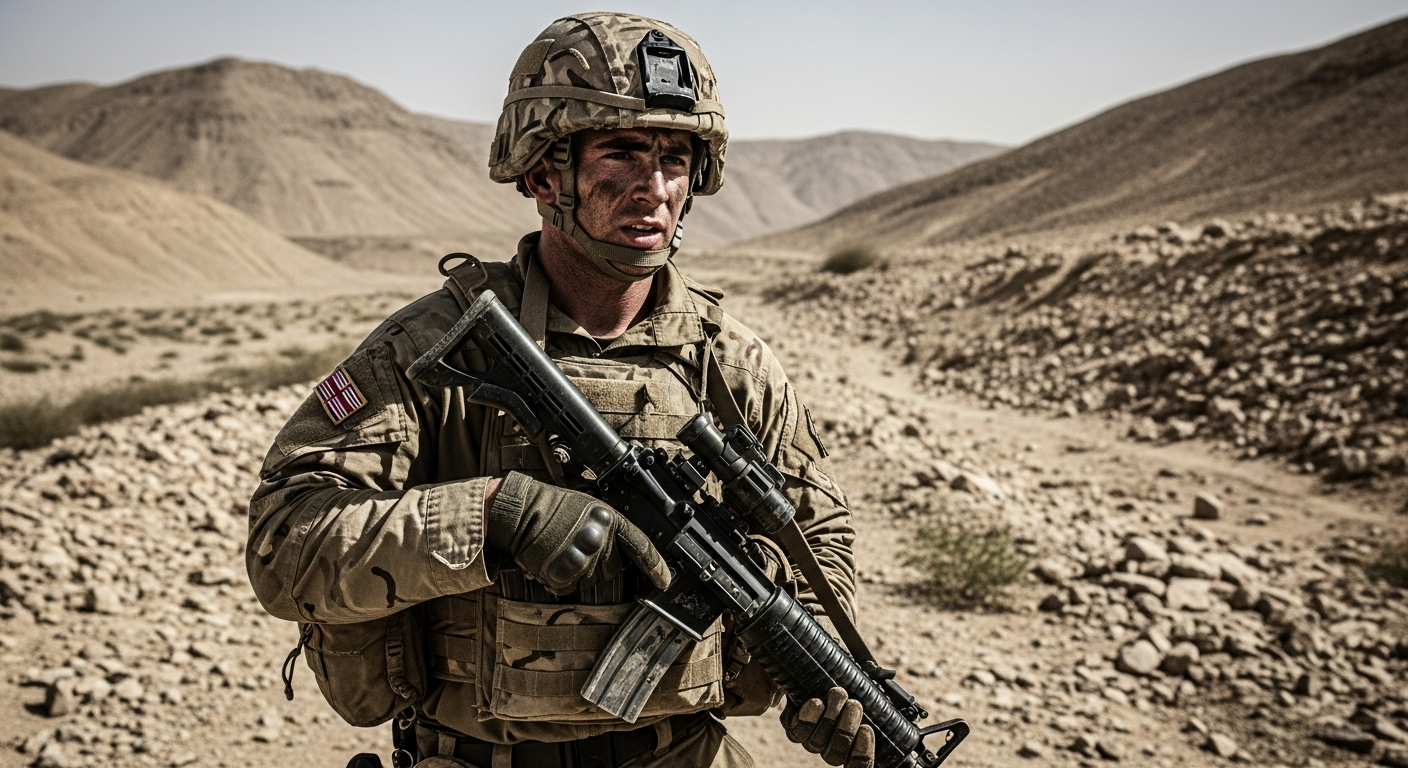
Donald Trump is no stranger to controversy, particularly when it involves questioning the contributions of America's allies. His earlier comments, suggesting that NATO allied troops in Afghanistan 'stayed a little off the front lines,' struck a particularly raw nerve in the United Kingdom. For a nation that lost 457 service personnel in the Afghanistan conflict and saw thousands more injured, such a sweeping generalization felt like a profound disrespect to their sacrifice and courage. British forces, alongside their US counterparts, endured fierce combat, sustained heavy casualties, and played a critical role in some of the most challenging regions, including Helmand Province.
The initial remarks sparked immediate and widespread condemnation from across the UK political spectrum and within military circles. Veterans' organisations, commentators, and politicians alike decried the comments as ill-informed, insulting, and damaging to morale and the historical narrative of shared Anglo-American struggle. It was a moment that exposed the deep chasm between populist rhetoric and the lived realities of military service and international cooperation.
The Swift Pivot: 'Greatest Warriors' and the 'Except for the USA' Clause
Barely 24 hours after the initial uproar, Trump executed a remarkable volte-face. In a social media post, he declared: "The great and very brave soldiers of the United Kingdom will always be with the United States of America... In Afghanistan, 457 died, many were badly injured, and they were among the greatest of all warriors." The sudden outpouring of praise, while seemingly laudatory, could hardly be seen as an unvarnished apology.
The timing, immediately following significant criticism, suggests a calculated attempt at damage control rather than a genuine shift in perspective. His characteristic qualifier – "second to none (except for the USA)" – also served as a stark reminder that even in praise, Trump often cannot resist asserting American primacy, undermining the spirit of true partnership.
This rapid reversal prompts critical questions: Was this a genuine recognition of allied sacrifice, or a strategic manoeuvre to quell a brewing diplomatic storm? Given Trump's history of leveraging rhetoric for political gain, the latter seems more probable. Such pronouncements often serve as a litmus test for the resilience of alliances, revealing how quickly perceived slights can be 'corrected' when political expediency demands it.
Downing Street's Delicate Dance: Reaffirming Bonds Amidst Rhetorical Storms
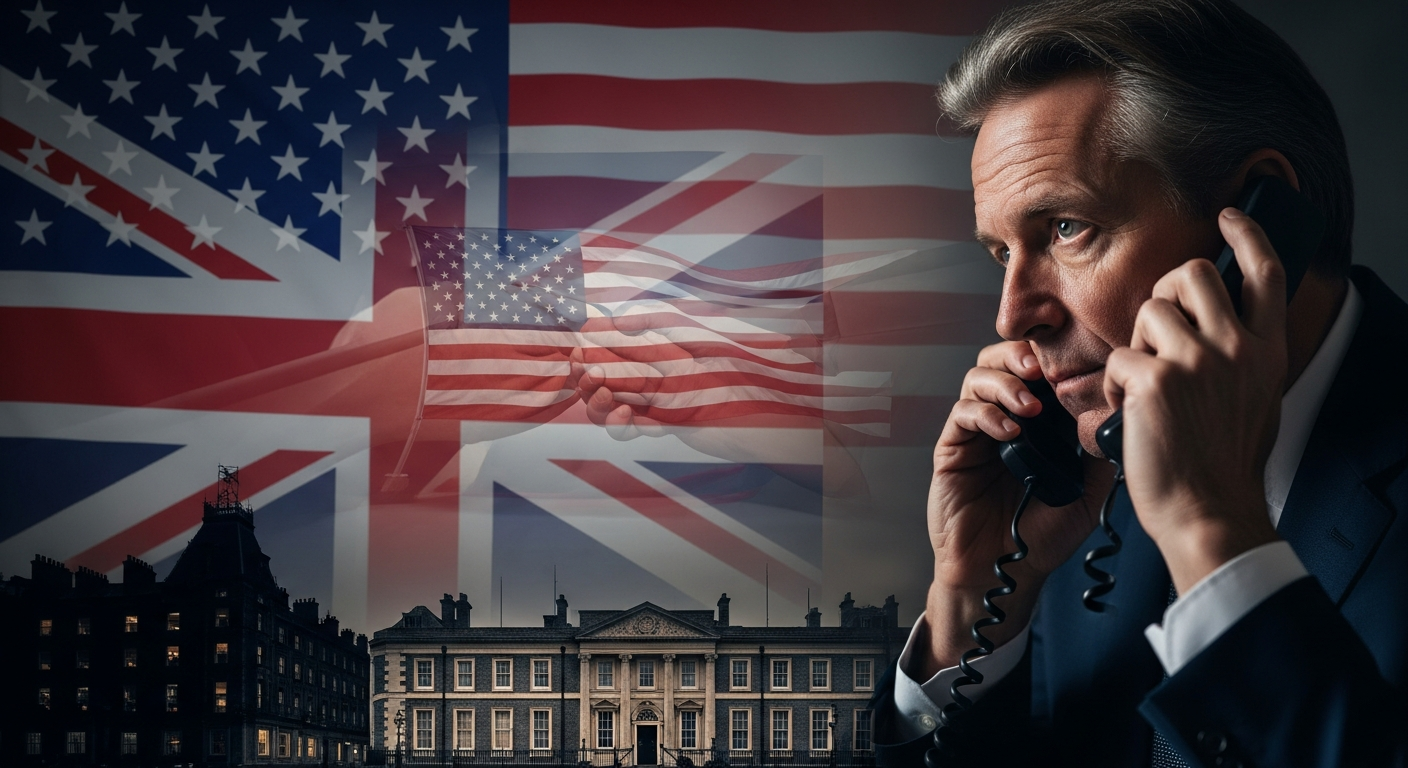
The immediate aftermath saw Sir Keir Starmer, leader of the Labour Party, directly raising Trump's initial comments during a phone call, signaling the gravity of the perceived insult. This was swiftly followed by a phone call between the Prime Minister and Donald Trump, as confirmed by Downing Street. The official readout of this conversation was a masterclass in diplomatic nuance, carefully avoiding direct confrontation while subtly correcting the historical record.
"The Prime Minister raised the brave and heroic British and American soldiers who fought side by side in Afghanistan, many of whom never returned home," a Downing Street spokesperson stated. This wording, while respectful, subtly rebutted Trump's earlier implications without explicitly naming them. The conversation then smoothly transitioned to other pressing global matters: Ukraine, the need for a sustainable ceasefire, continued support against Russia's 'barbaric attacks,' and bolstered security in the Arctic. By pivoting to shared strategic interests, the UK government sought to re-emphasise the enduring importance of the UK-US relationship, framing it as a bond that "continues to stand the test of time" despite individual political rhetoric.
Public Sentiment: Skepticism and Steadfast Pride
The public reaction to Trump's comments and subsequent retraction has been a mixture of anger, weariness, and steadfast pride in the UK's armed forces. Many expressed deep frustration at the perceived political opportunism.
-
"He says whatever he thinks will get him out of a hole. Our lads and lasses fought and died with honour, not for his soundbites." – Former Royal Marine, via social media
-
"One day we're off the front lines, the next we're 'greatest warriors.' It's exhausting. Just acknowledge the truth of what our soldiers did." – Family member of an Afghan veteran
-
"It shows the fragility of what he calls a 'bond.' It's only strong until he decides otherwise. The UK needs to be clear-eyed about our alliances." – Political commentator
-
"Our soldiers don't need his praise or his insults. Their service speaks for itself. But it's good to see Starmer and the PM push back, even subtly." – Retired Army officer
Conclusion: The Enduring Test of the 'Special Relationship'
The episode surrounding Donald Trump's shifting rhetoric on UK soldiers in Afghanistan is more than just a passing news item; it's a profound case study in international relations and the nature of leadership. It highlights the inherent tension between populist political messaging and the deep-seated trust required for military alliances. While Downing Street's swift and measured response successfully steered the conversation back to areas of common interest, the underlying question persists: How resilient is the 'special relationship' when subjected to such capricious pronouncements?
As the world faces an increasingly complex geopolitical landscape, from the ongoing war in Ukraine to emerging threats in the Arctic, the stability and clarity of allied communications become paramount. Trump's recent about-face serves as a stark reminder that while political rhetoric can shift with the winds, the sacrifices of those who serve, and the trust between nations, demand a far more consistent and respectful foundation. The 'bond' may be strong, but it is not unbreakable, and its endurance hinges on more than just convenient praise. The UK, and indeed the world, must remain vigilant and discerning about the words that shape our collective future.