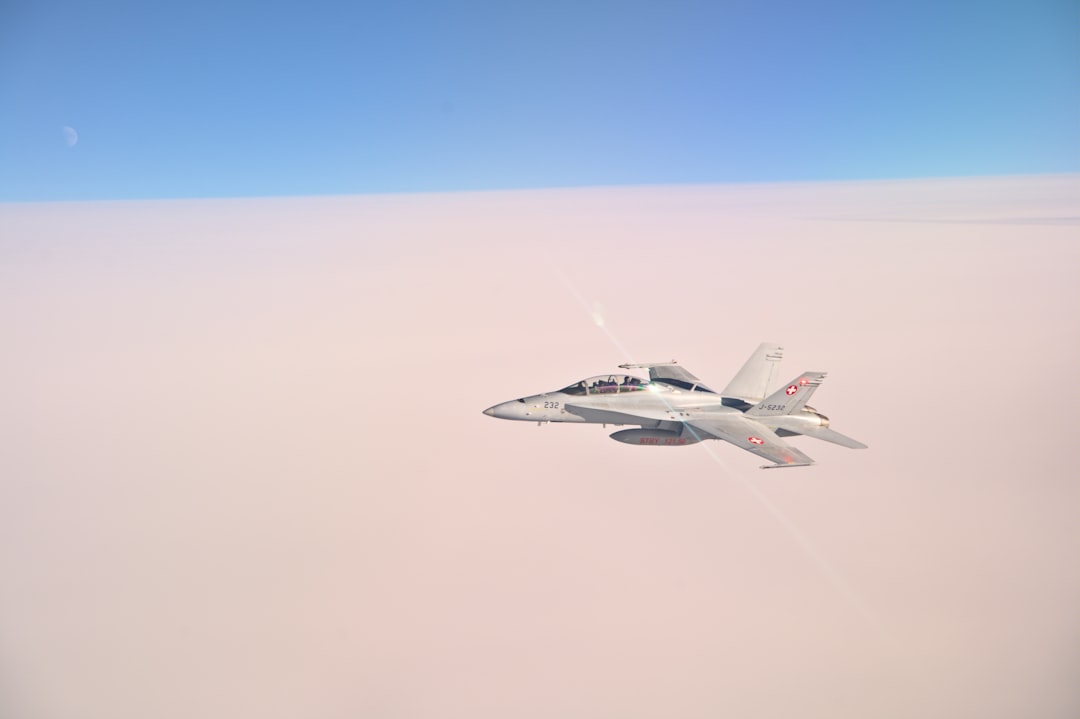
The digital ink on our previous analyses had barely dried before the news broke again: the US military has, with what we must assume was tremendous strategic foresight, once more engaged in an aerial ballet over Syria, targeting Islamic State positions. This 'ongoing operation,' as the official lexicon puts it, follows last month's regrettable incident where US personnel and a civilian were, regrettably, targeted by militants. One can almost hear the collective sigh from analysts globally, not of despair, but of profound, existential predictability.
Key Takeaways
-
The Perpetual Motion of Retaliation: The US military's response aligns perfectly with established protocols – an attack on personnel invariably triggers a punitive aerial response.
-
The 'Ongoing Operation' Paradox: Washington's current campaign is explicitly an 'ongoing operation,' yet it's simultaneously 'launched after' specific incidents, suggesting a fluid, perhaps even improvisational, ongoingness.
-
Coalition of the… Familiar: A US-led coalition, often bolstered by 'Syria's security forces,' continues to execute these strikes, adding layers of geopolitical complexity to an already intricate tapestry.
-
Strategic Messaging vs. Tactical Efficacy: The efficacy of these repetitive strikes in genuinely dismantling the Islamic State's capabilities, rather than merely managing its symptoms, remains a subject of robust academic debate and quiet public cynicism.
The Predictable Cycle of Kinetic Diplomacy
To suggest that these recent airstrikes constitute a 'new' chapter in Syria's tortured narrative would be to fundamentally misunderstand the playbook. This is not a new chapter; it is merely another paragraph in an endlessly looping bureaucracy of conflict. When militants inflict casualties on US personnel, the response is as preordained as the sunrise. The Pentagon's statements, delivered with the gravity of groundbreaking revelation, describe 'multiple strikes' across Syria, carefully framed as 'part of an ongoing operation.' One might wonder if the operation is so 'ongoing' that it simply requires periodic infusions of 'strikes' to remind everyone it's still… ongoing. It's a strategic dance where the music never quite stops, merely changes tempo with each unfortunate incident. The notion of 'targeting' ISIS elements becomes a continuous project, a Sisyphean task of pulverizing hydra heads, only for new ones to inconveniently sprout elsewhere.
Strategic Nuance, or Lack Thereof?
Washington's strategy in Syria, from a distance, appears to oscillate between containment and sporadic, forceful reminders of its presence. The explicit goal is 'targeting the Islamic State militant group,' an objective that has been consistently pursued for years. Yet, the group’s persistent ability to regroup, re-strategize, and launch deadly attacks suggests a gap between intention and outcome. Is the aim to eradicate, or merely to manage the threat to a 'tolerable' level? The industrial-scale application of air power, while undeniably devastating to immediate targets, rarely addresses the socio-political ecosystems that allow such groups to flourish in the first place. It's a bit like treating a persistent fever with ice packs while ignoring the underlying infection – effective in the short term, but ultimately a recursive problem.
The 'Coalition' Conundrum
The involvement of a 'US-led coalition' and, intriguingly, 'Syria's security forces,' adds a layer of kaleidoscopic complexity. Which 'Syria's security forces,' one might ask, given the myriad factions and allegiances within the conflict-ridden nation? This vague formulation provides ample diplomatic wiggle room, allowing for a certain degree of plausible deniability or, conversely, a broad umbrella under which various actors can operate.
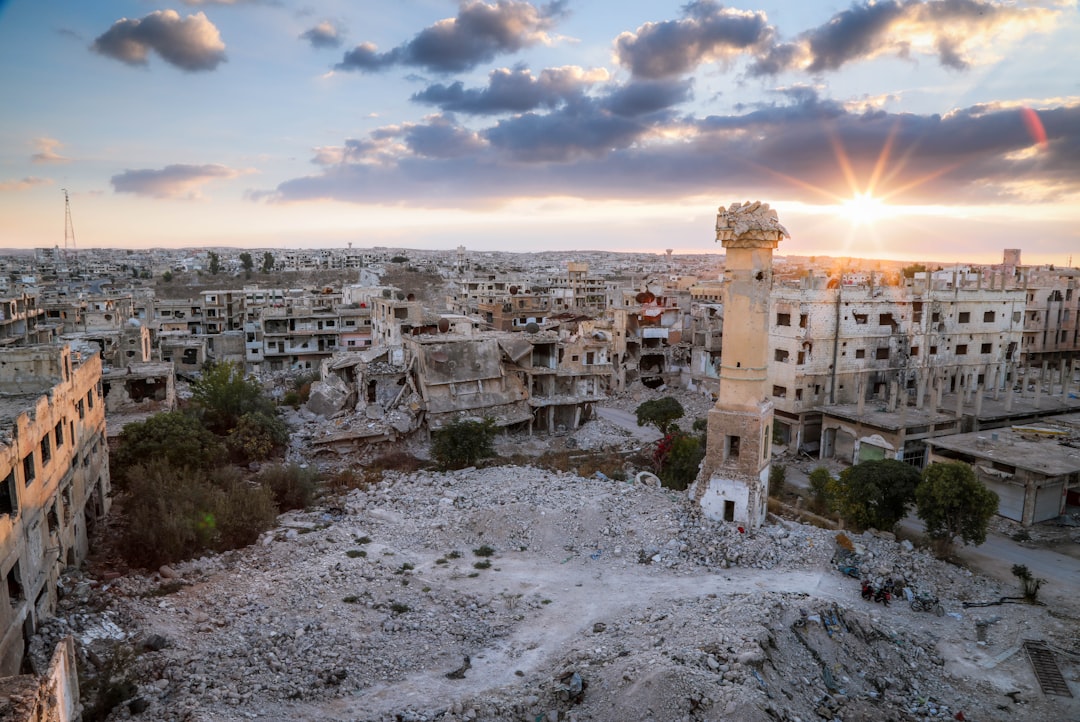
The coalition itself, a shifting consortium of nations, often provides political legitimacy and shared burden, but rarely a unified long-term vision beyond the immediate tactical objective of 'degrading' the enemy. For many in the global south, this 'coalition' narrative often echoes colonial-era interventions, albeit with modern weaponry and slicker public relations.
Public Sentiment
Public discourse, particularly in regions observing these cycles from a critical distance, tends to reflect a weary resignation. As one anonymous commenter on a prominent digital forum succinctly put it: "US bombs Syria. ISIS attacks. US bombs Syria. Repeat ad nauseam. Is anyone actually surprised anymore, or are we just waiting for the next instalment?" Another quipped, "It's less a war, more a very expensive subscription service to regional instability." The overarching sentiment often leans towards a cynical acceptance of these events as an unceasing, if ultimately unproductive, feature of the international landscape.
Conclusion
The recent US airstrikes in Syria, while framed as a decisive response, firmly entrench themselves within a well-worn pattern of engagement. The 'ongoing operation' will undoubtedly continue, punctuated by further attacks and further retaliations, creating a self-sustaining prophecy of conflict. As the 'Rusty Tablet' has consistently highlighted, true stability in such volatile regions demands more than kinetic responses; it requires a sustained, nuanced engagement with the intricate web of political, economic, and social grievances. Until then, we can all set our watches for the next installment of Washington's favourite geopolitical soap opera, featuring guest appearances by precision-guided munitions and the ever-present specter of 'ongoing operations.'