Key Takeaways
-
Reliance on Key Duos: Sri Lanka will heavily bank on the explosive batting of Pathum Nissanka and Kusal Perera, alongside the spin wizardry of Wanindu Hasaranga and Maheesh Theekshana.
-
Paradoxical Home Performance: Despite the inherent home advantage, the team has shown a largely sub-par record in their recent T20Is played on Lankan soil.
-
Middle-Order Woes: A significant concern remains the inconsistent form of crucial middle-order batters, potentially stifling scoring rates.
-
Conservative Batting Approach: The team's overall batting strike rate suggests a cautious approach, which might need an overhaul to compete with more aggressive global counterparts.
-
Nissanka's Emergence: Pathum Nissanka has developed into a formidable T20I batter, providing a strong anchor and aggressor at the top.
Main Analysis: Navigating the Home Challenge
The Double-Edged Sword of Home Advantage
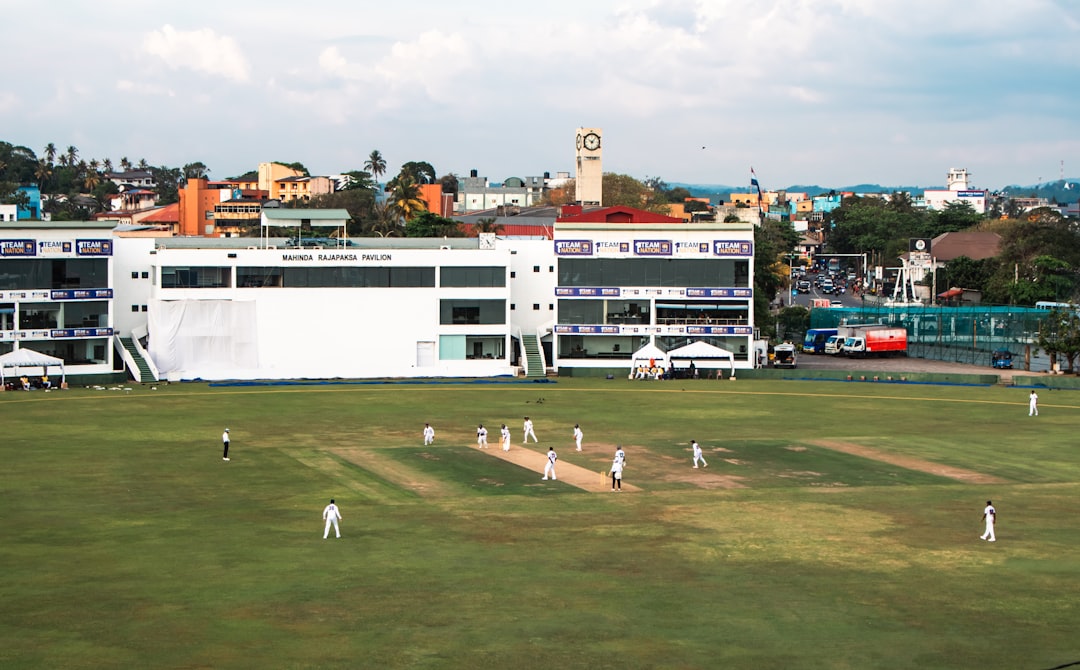
Playing a major tournament at home typically offers an unparalleled advantage, from familiar conditions to fervent crowd support. For Sri Lanka, however, this advantage comes with a perplexing caveat. Since the last T20 World Cup in 2024, their record at home has been largely disappointing. Out of 16 T20Is played on their own grounds, they have managed only five wins, enduring ten losses and one tie. This patchy form includes losses to India and Bangladesh, and a draw against New Zealand, raising questions about their ability to convert home comfort into dominant performances. The pressure to deliver on home soil, reminiscent of their "golden days" featuring legends like Sangakkara and Jayawardene, is immense.
Pillars of Performance: Batting Brilliance and Spin Dominance
Amidst the team's fluctuating fortunes, certain individuals have shone brightly, offering rays of hope. Pathum Nissanka stands out as a colossal presence at the top of the order. With 1,156 runs in 33 matches at an impressive average of 36.12 and a strike rate nearing 141, including a century and eight fifties, Nissanka has not only been consistent for Sri Lanka but has also found success in franchise cricket, notably in the ILT20. His evolution into a world-class T20 batter is arguably Sri Lanka's most significant positive.
Complementing Nissanka's batting prowess is the formidable spin duo of Wanindu Hasaranga and Maheesh Theekshana. Hasaranga, with 41 wickets in 26 matches at an average of 18.29, continues to be a wicket-taking machine. Theekshana, contributing 26 wickets in 27 matches, provides crucial control and variations. Both possess significant experience playing in subcontinental conditions, making them a match-winning pair capable of stifling opposition batsmen on their day. Their ability to exploit home pitches will be critical to Sri Lanka’s campaign.

The Middle-Order Maze and Batting Conservatism
Despite the brilliance of their top performers, Sri Lanka's middle order has been a consistent area of concern. Players like Charith Asalanka (365 runs in 27 matches, average 17.38), Kamindu Mendis (313 runs in 23 matches, average 17.38), and skipper Dasun Shanaka (291 runs in 24 matches, average 18.18) have struggled to find form since the last T20 World Cup. Their inability to accelerate effectively or provide stability often puts undue pressure on the top order and limits the team's overall scoring potential.
This struggle is reflected in the team's broader batting approach. With an overall strike rate of 124.83 and the top seven batters managing only 129.67, there's an evident conservatism that needs addressing. In an era dominated by aggressive T20 batting from teams like India, England, and South Africa, Sri Lanka's cautious stance could prove detrimental. The emergence of Kamil Mishara as a potential number three offers some hope, but the need for collective aggressive intent throughout the innings is paramount.
Public Sentiment
The mood among Sri Lankan cricket enthusiasts is a complex mix of fervent hope and cautious realism. Many express immense pride in the team playing at home, believing the roar of the crowds will be a powerful twelfth man. "Our boys always play with extra fire when the home crowd is behind them," remarked a fan on social media. However, there's also an acknowledgment of the team's recent struggles, particularly the middle-order inconsistency. "Nissanka and the spinners are world-class, but if the rest don't step up, it'll be a tough road," commented another. The prevalent sentiment is that while the talent is undeniable, the team needs to "click" at the right moment and embrace a bolder, more aggressive style of play to truly contend for the title.
Conclusion
Sri Lanka's journey into the T20 World Cup is fraught with both immense potential and significant challenges. The individual brilliance of Pathum Nissanka, Kusal Perera, Wanindu Hasaranga, and Maheesh Theekshana provides a strong foundation. The home advantage, despite recent statistical anomalies, is still a psychological boost. However, overcoming the middle-order batting struggles and shedding a conservative approach will be crucial. Placed in Group B alongside Australia, Ireland, Oman, and Zimbabwe, their campaign kicks off against Ireland in Colombo on February 8. For the Lankan boys, this tournament is not just about competing; it's about seizing the moment, demonstrating their collective strength, and proving that they can indeed peak at the right time to reclaim past glory on their home turf.