Key Takeaways:
-
Paul de Villiers' rapid ascent highlights the Springboks' relentless pursuit of breakdown specialists.
-
A strong emphasis on integrating young, high-potential players into the national system early.
-
The re-emergence of players like the Hendrikse brothers underscores the value of sustained provincial form.
-
Rassie Erasmus's strategic eye continues to balance immediate needs with futureproofing the squad.
Main Analysis
The Breakdown Conundrum: De Villiers' Rise and the Search for Jackal Kings
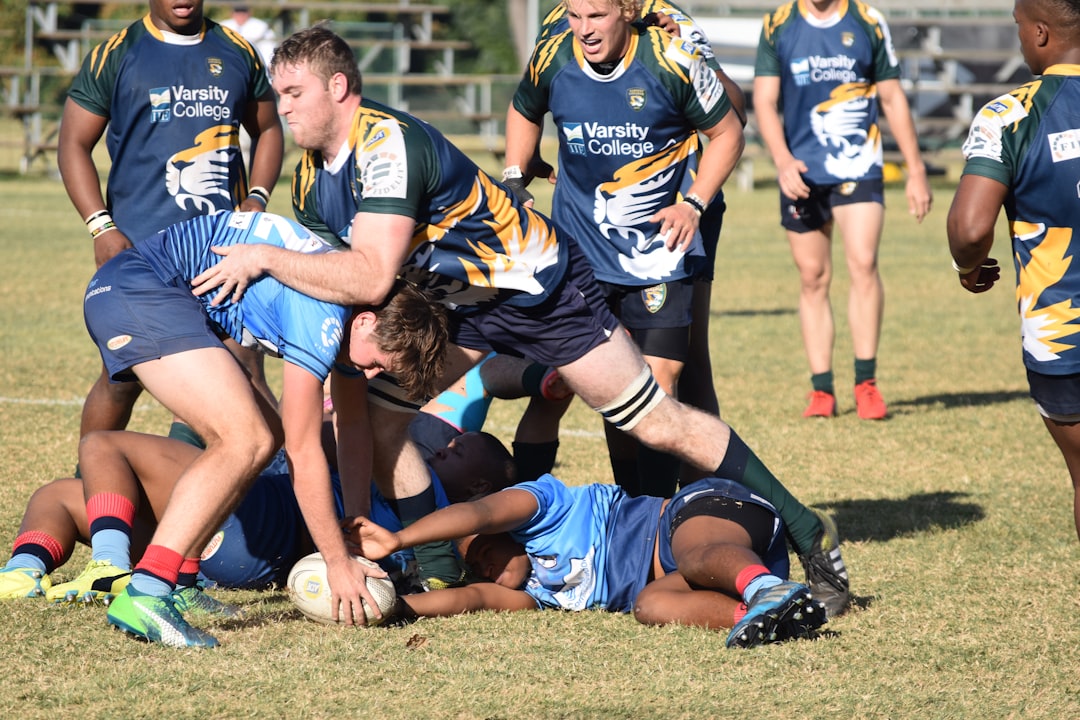
The Springboks’ tactical playbook reserves a sacred space for breakdown dominance, the crucible where Test matches are often won. Latest whispers from the national camp confirm a laser focus here. Stormers flanker Paul de Villiers, delivering performances beyond his years, has reportedly edged seasoned campaigners as the leading local candidate for a breakdown specialist role. This is more than an endorsement of his current form; it's a strategic statement.
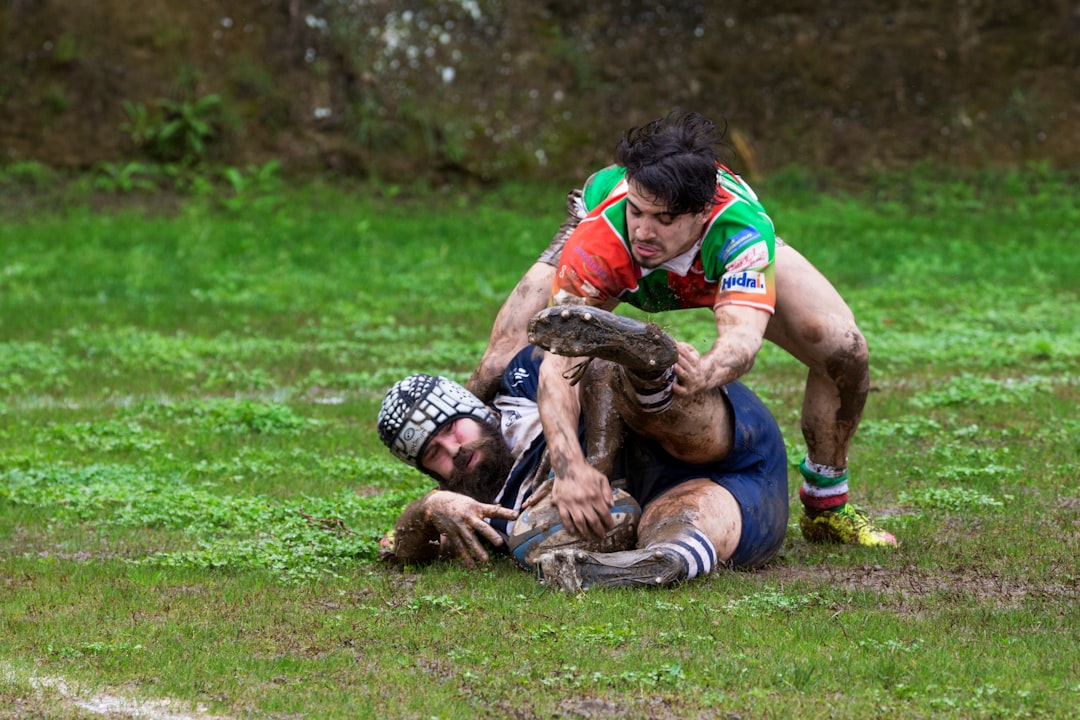
While Bulls veteran Jeandre Rudolph leads the URC in breakdown steals – an undeniable statistical triumph – the Boks appear to be betting on potential and a specific tactical fit over sheer volume. Rudolph’s 15 steals are impressive, yet the coaching group seems to favour De Villiers' profile. Is this a forward-looking gamble on youth, assuming De Villiers’ ceiling is higher, or a subtle acknowledgment that specific skill sets, even if less numerically dominant currently, align better with the Springbok system? Lions flanker Renzo du Plessis, a familiar face, remains in contention. Prioritizing De Villiers suggests a very specific brief from the Bok brain trust – a blend of aggression, athleticism, and a particular tactical awareness. This isn't just about stealing balls; it's about disrupting, slowing, and ultimately controlling the contact area crucial for Bok success.
Nurturing Tomorrow's Boks: The Youthful Injection
The Springboks’ strategy of continuous talent identification and integration is well-documented, and this alignment camp reinforces that commitment. The likes of young Bulls hooker Esethu Mnebelele, whose European tour was cruelly cut short by injury, is once again knocking on the door. His potential has clearly not gone unnoticed, and his inclusion speaks volumes about the coaches’ belief in his long-term prospects. Similarly, former Junior Boks Cheswill Jooste, Batho Hlekani, and Haashim Pead – all of whom attended a camp late last year – are being meticulously guided through the system.
This approach is calculated. By exposing these emerging talents to the Springbok environment early, the coaches aim to imbue them with the team's culture, expectations, and tactical nuances long before they are thrust into the cauldron of international rugby. It’s an investment in resilience, adaptability, and an accelerated learning curve. For India, a nation increasingly interested in high-performance sports management, the Boks’ methodical talent pipeline offers valuable lessons. It's not just about winning the next game; it's about securing the next decade.
The Resilience of Rediscovery: Hendrikse Brothers' Return
In professional sport, form can be a fickle mistress. The journey back from a dip in performance is often more challenging than the initial ascent. The inclusion of Sharks brothers Jaden and Jordan Hendrikse on the Bok radar is a compelling narrative of resilience and persistent effort. After seemingly falling out of favour, their rediscovery of form this season has caught the eyes of the national selectors.
This isn't merely a reward for good play; it's a testament to the Springboks' meritocratic ethos. If you perform consistently at the provincial level, the door to the national team remains ajar. Jaden, a flyhalf, and Jordan, an equally versatile back, offer valuable depth and tactical flexibility. Their return provides Rassie Erasmus with more options, particularly in the crucial half-back positions where consistency and composure are paramount. Their story serves as an inspiration to every player striving to don the green and gold – the path is never permanently closed.
Rassie's Radar: The Strategic Imperative
The brief mention of Rassie Erasmus being 'nervous' for Asenathi, while intriguing, is less about emotion and more about the immense strategic pressure on players and selectors. It hints at the razor-thin margins of selection and the constant concern for individual performance within the collective ambition. Erasmus's reputation is built on meticulous planning and a clinical understanding of what it takes to win. His strategic oversight underscores a deep awareness of the challenges facing his charges, particularly those on the cusp of selection or recovering from setbacks. This human-centric yet strategically driven approach is a critical component of the Springboks' sustained success, acknowledging the individual journeys within the larger national mission.
Public Sentiment:
"De Villiers leading the pack? Incredible! Shows Rassie isn't afraid to back raw talent. But Rudolph's numbers are immense, surely he deserved a look-in for the camp too? Exciting to see new blood." - Rajesh K., Mumbai
"The Bok system for young players is simply world-class. Mnebelele coming back from injury and still on the radar says it all. They don't just pick; they develop. Other nations could learn a thing or two." - Priya S., Bengaluru
Conclusion:
The Springboks' first alignment camp is far more than a routine check-in. It is a vibrant illustration of a national rugby programme committed to evolution, sustainability, and uncompromising excellence. From the strategic selection of breakdown specialists like Paul de Villiers to the careful nurturing of future stars and the recognition of resilient veterans, every decision is a calculated move in a grander strategic game. For fans and analysts alike, it’s a compelling testament to Rassie Erasmus and his team’s relentless pursuit of perfection, ensuring the Springbok machine continues to roar, not just for today, but for many championships to come.