Key Takeaways:
-
The Springboks' upcoming alignment camp highlights a potential shift towards "breakdown specialists" but raises questions about consistency and proven international experience.
-
The inclusion of "emerging talents" and players "rediscovering form" suggests a reactive rather than a proactively consistent selection philosophy.
-
Established domestic stalwarts, despite stellar performances, appear to face a more arduous path to national recognition compared to speculative prospects.
-
The reliance on "radar" reports rather than objective, sustained performance metrics creates an opaque selection environment.
-
The system risks prioritizing niche roles and potential over the solid foundation of seasoned, in-form professionals.
The Enigma of the "Breakdown Specialist"
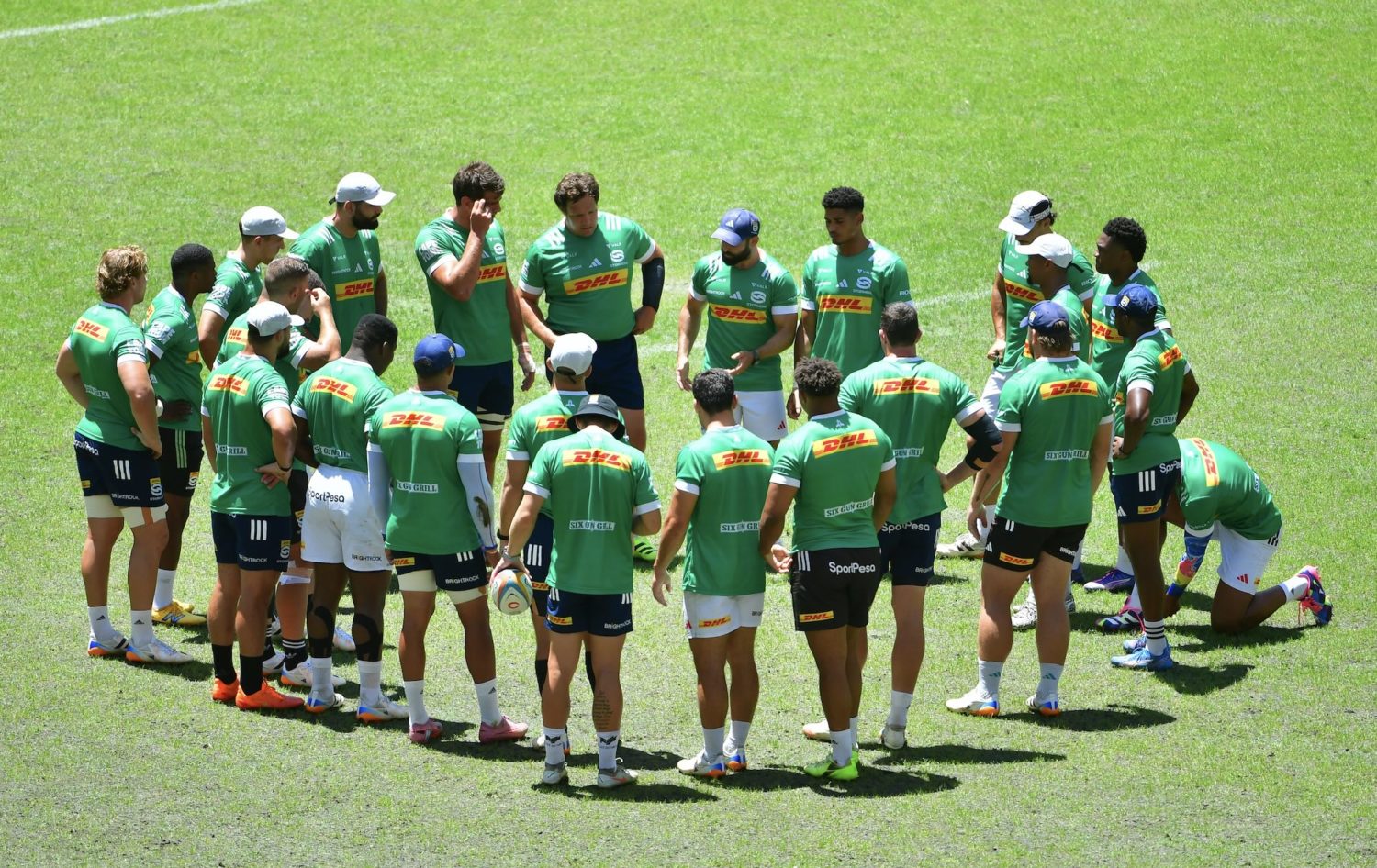
The primary focus, as per recent reports, rests on Paul de Villiers of the Stormers, touted as the leading local candidate for a breakdown specialist role. While De Villiers has undeniably had a commendable season, adorned with Man of the Match accolades, the immediate elevation of a player to such a specialised national role raises eyebrows. One must question the extent to which a singular "specialist" profile is being pursued over broader positional versatility and proven all-round contribution. It hints at a micro-management approach that, while potentially tactically astute, risks creating one-dimensional players in a sport demanding adaptability. What about the tried-and-tested, consistently excellent performers who might not fit this precise mould?
[FEATURED]
Overlooking the Oiled Gears: The Case of Rudolph and Du Plessis
The narrative around De Villiers gains particular scrutiny when considering the contributions of others. Bulls veteran Jeandre Rudolph, for instance, leads the Vodacom URC in breakdown steals with a remarkable 15 – a statistical dominance that speaks volumes. At 31, Rudolph has engineered a sensational campaign, embodying consistency and effectiveness. Yet, the report suggests De Villiers has "edged ahead" of such domestic rivals. This raises a fundamental question: Is the Springbok coaching group genuinely prioritising current, undeniable statistical supremacy and seasoned performance, or are they swayed by the allure of a younger prospect, even if that means potentially overlooking a player at the peak of his powers? Similarly, Renzo du Plessis, who attended a previous camp, remains "in the frame," yet the emphasis seems to shift towards the newest flavour of the month rather than building continuity with already identified talent.

The Perpetual Cycle of "Emerging Talents" and "Rediscovered Form"
The mention of "emerging talents" like young Bulls hooker Esethu Mnebelele and "former Junior Boks" such as Cheswill Jooste, Batho Hlekani, and Haashim Pead is standard practice. However, the inclusion of players like Sharks brothers Jaden and Jordan Hendrikse, who are believed to have "worked their way back onto the Bok radar after rediscovering form this season," is particularly telling. This phrase suggests a selection philosophy that is reactive and perhaps forgiving, rather than one built on sustained, uncompromising excellence. While second chances are vital, one must ask: What about the players who never lost form, who consistently perform at a high level but perhaps don't generate the same 'narrative' of a comeback or a sudden emergence? The "radar" appears to pick up fluctuations rather than stable, high-altitude flight paths. This approach could breed complacency amongst established players and an undue pressure on those suddenly "on the radar."
The Opacity of the "Radar"
The recurring use of terms like "on Bok coaches' radar," "leading locally-based candidate," and "report suggests De Villiers has now moved to the front of the local queue" underscores a significant problem: the lack of clear, objective criteria communicated to the public and, more importantly, to the players themselves. Selection, at the highest level, should not feel like a secretive game of musical chairs orchestrated by whispered reports. It should be transparent, merit-based, and consistently applied. The current discourse fuels speculation and mistrust, rather than fostering a sense of earned opportunity. Is it purely subjective coaching preference, or are there tangible metrics being consistently applied? The current reports do little to clarify this, leaving the public to infer and question.
Public Sentiment (Synthesized Quotes)
"It's the same old story, isn't it? One good season and suddenly you're a Bok specialist, while guys grafting week in, week out get ignored. Rudolph's numbers speak for themselves, but suddenly he's not the right kind of specialist."
"If 'rediscovering form' is the bar, what does that say about consistent performers? Are we rewarding inconsistency with a Bok call-up? It feels like we're always chasing a narrative rather than picking the best players."
"This 'radar' business is a joke. Just tell us what the criteria are. Give us some transparency. It just feels like they're plucking names out of a hat sometimes, based on who's got the current buzz."
"It’s good to see new talent, but not at the expense of proven quality. Are we building for the next World Cup, or just experimenting with every promising player who has a good three months?"
Conclusion
While the impulse to broaden the Springbok talent pool and identify future stars is commendable, the current reported approach to player selection for the alignment camp presents a concerning lack of clarity and an apparent overemphasis on specific narratives or niche skill sets. By seemingly prioritising "emerging talents" and players "rediscovering form" over consistently high-performing, statistically superior veterans, and by operating within an opaque "radar" system, the Springbok coaching setup risks alienating a significant portion of its domestic talent pool. The challenge lies in striking a delicate balance: fostering new talent without undermining the established excellence that has historically defined South African rugby. Without greater transparency and a more objective, sustained performance-based evaluation, the Springboks risk not just misjudging individual players, but also eroding public confidence in the integrity of their national selection process.