Key Takeaways
-
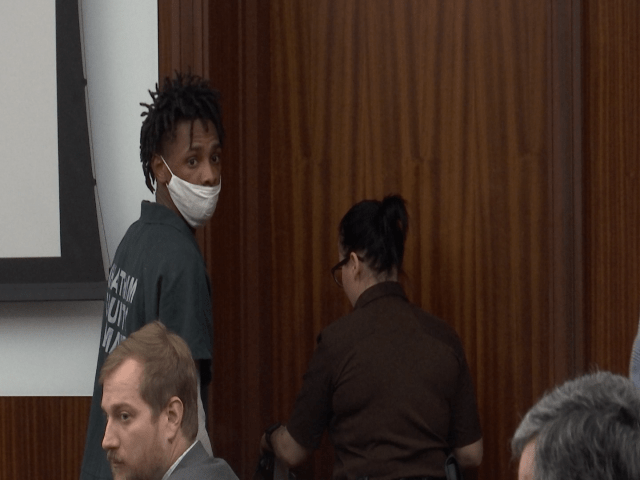
All four suspects—Zaire Garner, Rashod Hamilton, Jaleeyah Bryant, and Demetrius Lawton—have entered not-guilty pleas in the 2024 Savannah murder case.
-
The charges include felony murder, criminal attempt to commit a felony, aggravated assault, and firearm possession, with specific charges varying by defendant.
-
The incident, which resulted in the death of 20-year-old Anthony McBride, allegedly stemmed from a planned marijuana purchase that escalated into an attempted armed robbery.
-
The case is slated for a trial docket call in April, indicating the commencement of formal trial preparations.
-
The unanimous not-guilty pleas signal a vigorous defense strategy, requiring the prosecution to present compelling evidence to secure convictions.
The Procedural Posture of "Not Guilty" Pleas
When all defendants in a major criminal case enter pleas of not guilty, it fundamentally shifts the legal proceedings from potential plea bargains to an adversarial trial. This declaration formally invokes the principle of "innocent until proven guilty," placing the full burden of proof squarely on the prosecution. For the Chatham County District Attorney's office, this means meticulously preparing to present evidence, call witnesses, and establish guilt beyond a reasonable doubt for each defendant. The decision by Zaire Garner, Rashod Hamilton, Jaleeyah Bryant, and Demetrius Lawton to plead not guilty indicates a unified front to challenge the state's narrative, suggesting their defense teams will scrutinize every piece of evidence, from witness testimonies to forensic findings. This initial procedural step signals the commencement of an often lengthy and resource-intensive legal battle.
Dissecting the Charges: Felony Murder and Aggravated Assault
The charges against the four individuals are severe, with "felony murder" being the most significant. In Georgia, felony murder holds individuals accountable for a death that occurs during the commission of a predicate felony, even if they did not directly intend to kill the victim. The prosecution must prove that a death occurred while the defendants were engaged in another serious crime, such as armed robbery or criminal attempt to commit a felony, as alleged. The specific predicate felonies listed for Garner, Hamilton, and Lawton include criminal attempt to commit a felony and aggravated assault, with an additional charge of possession of a firearm during a felony. Jaleeyah Bryant faces felony murder and criminal attempt to commit a felony, notably without the aggravated assault or firearm possession charges, suggesting a potentially distinct role which her defense will likely highlight. Aggravated assault itself implies an assault with intent to murder, rape, or rob, or with a deadly weapon. The legal intricacies of these charges will be central to both prosecution and defense strategies.
The Alleged Circumstances and Evidence Pathway
According to court documents, the tragic events of February 13, 2024, unfolded during a pre-arranged meeting on W. Montgomery Cross Road, ostensibly for a marijuana purchase. The prosecution's theory, as outlined in legal filings, posits that this meeting quickly devolved into an attempted armed robbery, during which Anthony McBride, 20, sustained fatal injuries. The presence of two victims points to a chaotic and violent encounter. These court documents serve as the foundational framework for the state's case, containing affidavits, initial police reports, and preliminary findings. The defense teams will undoubtedly challenge the interpretation of these documents, seeking inconsistencies, questioning witness reliability, or disputing the premise of an attempted robbery. The upcoming trial docket call in April will initiate the formal process of discovery, where both sides exchange evidence and prepare for rigorous examination.

Community Impact and Judicial Precedent
The alleged murder of Anthony McBride sends ripples through the Savannah community, often prompting discussions about public safety and the effectiveness of law enforcement. Cases involving multiple defendants and severe charges like felony murder are frequently scrutinized by the public, who seek clarity and accountability. Analytically, this incident reflects a recurring challenge in urban environments where illicit activities can escalate into violence. While each case is unique, the judicial process in Savannah operates within a framework of legal precedents and community expectations for justice. The trial's outcome, regardless of its specifics, will contribute to the ongoing narrative regarding crime and consequence in the region, influencing public perception and potentially informing future policy discussions related to crime prevention and legal enforcement strategies.
Public Sentiment
In the wake of such serious allegations and not-guilty pleas, public discourse often coalesces around themes of justice and accountability. "It's unsettling to see such a young life lost, and then to hear all parties plead not guilty," remarked a local Savannah resident, emphasizing the desire for clear answers. Another observer noted, "The legal system is complex, but the community just wants to ensure that justice is served fairly for everyone involved, especially for the victim and his family." There's a tangible undercurrent of concern regarding public safety and the implications of such violent incidents. "We need to understand how these situations can be prevented, and what deterrents are truly effective," shared a community advocate, reflecting a broader call for both judicial rigor and preventative measures against crime.
Conclusion
The path forward for the 2024 Savannah murder case is now firmly set towards a full trial, marked by the universal not-guilty pleas from all four defendants. This pivotal development elevates the stakes for both the prosecution and the defense, necessitating a comprehensive presentation and rigorous challenge of evidence. As the Chatham County Court prepares for the upcoming trial docket call, the legal proceedings will undoubtedly be closely watched by a community seeking both understanding and resolution for the tragic death of Anthony McBride. The case not only tests the robustness of the justice system but also underscores the persistent societal challenges posed by violent crime.